Prologue
Vienna Isn't a City — It's a History Book Lying Open
Most people come to Vienna for the music, the coffee, and the pastries. But the moment you start walking through this city, you quickly realize — every building, every statue, every street name is telling you the same story: the House of Habsburg.
This family started as minor Swiss nobility and, through a mix of warfare, strategic marriages, and diplomatic cunning, ruled Vienna for an astonishing 640 years (1278–1918). At their peak, their territory stretched from Spain to Hungary, from the Netherlands to southern Italy — Charles V once proudly declared: "In my empire, the sun never sets."
In this travelogue, I want to walk you through Vienna following the thread of time. It's not just about "where we went and what we photographed," but about pausing at each landmark and looking back: what happened here, and how did it shape the Vienna we see today?
Why all the history? Because European history is incredibly tangled — it's hard to make sense of it just by reading. But once you sort out the timeline, standing in front of each landmark becomes a completely different experience.
Historical Context
640 Years of the Habsburg Empire
From a small castle in the Swiss countryside to a dynasty ruling half of Europe.
Here are the family's most pivotal moments — and the key to understanding every landmark in Vienna.
1278
Rudolf I Wins Austria
The Habsburgs were originally minor nobles from Aargau, Switzerland. Rudolf I defeated the King of Bohemia at the Battle of Marchfeld, winning control of Austria and Styria. From that moment on, Vienna became the Habsburgs' home base — and they stayed for 640 years.
1365
Rudolf IV Founds the University of Vienna
One of the oldest universities in the German-speaking world. Rudolf IV was fiercely ambitious — he styled himself "Archduke" and forged privilege documents to elevate his family's status. His methods were controversial, but he laid the foundation for Vienna as a cultural capital.
1440–1493
Frederick III — Holy Roman Emperor
The Habsburgs secured the crown of the Holy Roman Empire for the first time. Frederick III coined the famous motto "A.E.I.O.U." — Austriae Est Imperare Orbi Universo ("It is Austria's destiny to rule the world"). Prophecy? Or delusion? History would prove he wasn't entirely wrong.
1493–1519
Maximilian I — The Marriage Master
"Let others wage war; you, happy Austria, marry!" (Bella gerant alii, tu felix Austria nube!) Maximilian I married his children into the royal houses of Spain, Burgundy, and Hungary — using weddings instead of wars to expand the empire at breakneck speed. This quip became the Habsburgs' most iconic motto.
1529
The First Siege of Vienna
Ottoman Sultan Suleiman the Magnificent marched on Vienna with 120,000 troops. The city had just 20,000 defenders — yet miraculously held out. Had this battle been lost, European history would have been rewritten entirely. The siege also spurred Vienna to massively fortify its walls — the very walls that would later be torn down and replaced by the Ringstrasse.
1556
Charles V Abdicates — The Empire Splits in Two
Charles V was one of the most powerful monarchs in European history — simultaneously Holy Roman Emperor and King of Spain. But the empire was simply too vast to govern. After his abdication, it split into two branches: the Spanish Habsburgs and the Austrian Habsburgs. Vienna became the heart of the Austrian line.
1683
The Second Siege of Vienna — Europe's Battle of Destiny
The Ottoman Empire returned with 150,000 troops. At the critical moment, Polish King Jan III Sobieski arrived with reinforcements and launched the largest cavalry charge in European history from Kahlenberg hill. The Ottoman army was routed and never again threatened the heart of Europe. After the victory, Vienna entered its Baroque golden age — most of the magnificent buildings you see in this city were built in the decades that followed.
1693
The Plague Column Is Erected
The Great Plague struck Vienna in 1679, killing nearly a third of the population. Emperor Leopold I made a vow: if the plague subsided, he would build a monument to thank God. This Baroque column still stands today on the Graben, Vienna's grand boulevard.
Featured landmark: The Plague Column
1740–1780
Maria Theresa — The Greatest Habsburg Ruler
She wasn't technically "Empress" (women couldn't hold the title of Holy Roman Emperor), but she was the supreme ruler in all but name. She championed education reform, administrative modernization, and military restructuring. She bore 16 children — the youngest daughter being Marie Antoinette, who married into the French royal family and was sent to the guillotine during the Revolution.
1805–1809
Napoleon Invades — Twice Occupies Vienna
Napoleon's armies stormed Vienna twice. In 1805, French troops even took up residence in Schonbrunn Palace. But at the Battle of Aspern-Essling in 1809, Archduke Charles led the Austrian army to defeat Napoleon — the first time Napoleon had ever lost a pitched battle. The famous equestrian statue on Heldenplatz commemorates this very Archduke Charles.
Featured landmark: Heldenplatz
1814–1815
The Congress of Vienna — Redrawing Europe's Map
After Napoleon's defeat, the great powers of Europe gathered in Vienna under Austrian Chancellor Metternich to redraw national borders. The congress lasted nine months, and its lavish balls and banquets inspired the quip: "The Congress dances, but makes no progress" (Le Congres danse, mais il ne marche pas). Yet it did bring nearly 40 years of relative peace to Europe.
1848
Franz Joseph I Ascends the Throne
Crowned at just 18 years old, he reigned for 68 years (1848–1916) — one of the longest-ruling monarchs in European history. He oversaw Vienna's transformation from a medieval city into a modern metropolis, and lived to witness his empire's slow march toward its end.
1857
Tearing Down the Walls — Building the Ringstrasse
Franz Joseph I ordered the demolition of Vienna's outdated medieval walls and the construction of the Ringstrasse boulevard in their place. The State Opera, Natural History Museum, Art History Museum, Parliament, and City Hall — all were built along this grand road. The most spectacular cluster of buildings you see in Vienna today is the result of this single visionary project.
1867
The Austro-Hungarian Empire Is Born
After a humiliating defeat in the Austro-Prussian War, Austria was forced to compromise with Hungary and form a "dual monarchy." One emperor, two capitals (Vienna and Budapest), two parliaments. This was the beginning of the empire's decline — the clamor for autonomy among its many ethnic groups grew louder by the year.
1898
Empress Elisabeth (Sisi) Is Assassinated
Franz Joseph I's wife — the legendary Empress Sisi — was stabbed to death by an Italian anarchist on the shores of Lake Geneva. This unconventional empress spent her life pursuing freedom, only to meet the most violent of ends. When the Emperor received the news, he said: "You don't know how much I loved that woman."
1914
World War I Erupts
The assassination of Crown Prince Archduke Franz Ferdinand in Sarajevo triggered a chain reaction that dragged all of Europe into war. The aging Franz Joseph I died in 1916, spared from witnessing his empire's final collapse.
1918
The Empire Falls — The Habsburgs Step Down
With the end of WWI, the Austro-Hungarian Empire shattered. The last emperor, Charles I, was forced to renounce "participation in state affairs" (he stubbornly refused to use the word "abdication"). After 640 years, Habsburg rule came to an end. A multi-ethnic empire spanning 11 nations vanished in a matter of weeks. Vienna went from imperial capital to the capital of a small country, its population plummeting from 2 million.
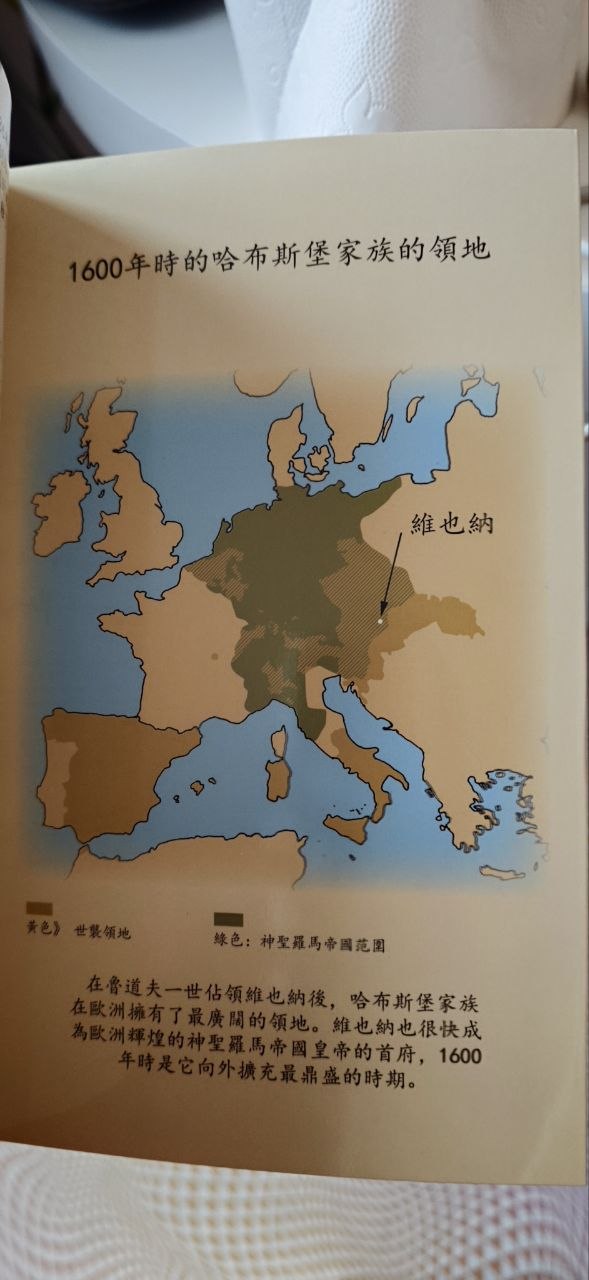
Habsburg territories around 1600 — from Spain to Hungary, from the Netherlands to southern Italy
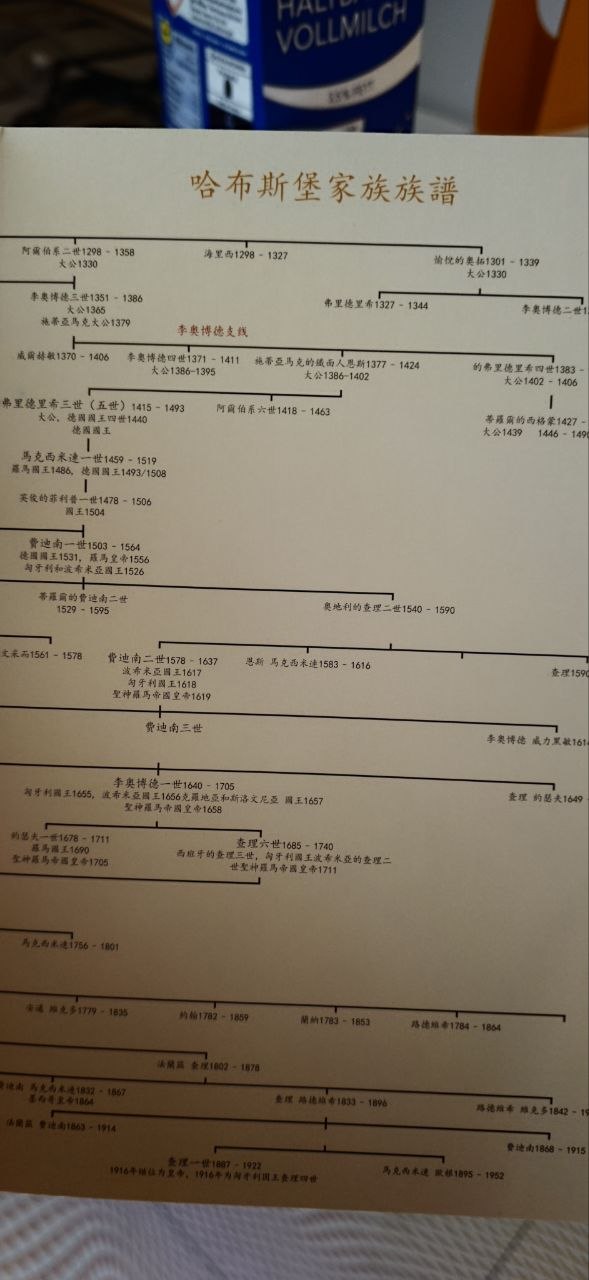
The Habsburg family tree — from Rudolf I to the last emperor, Charles I
Founded 1137
St. Stephen's Cathedral — The Heart of Vienna
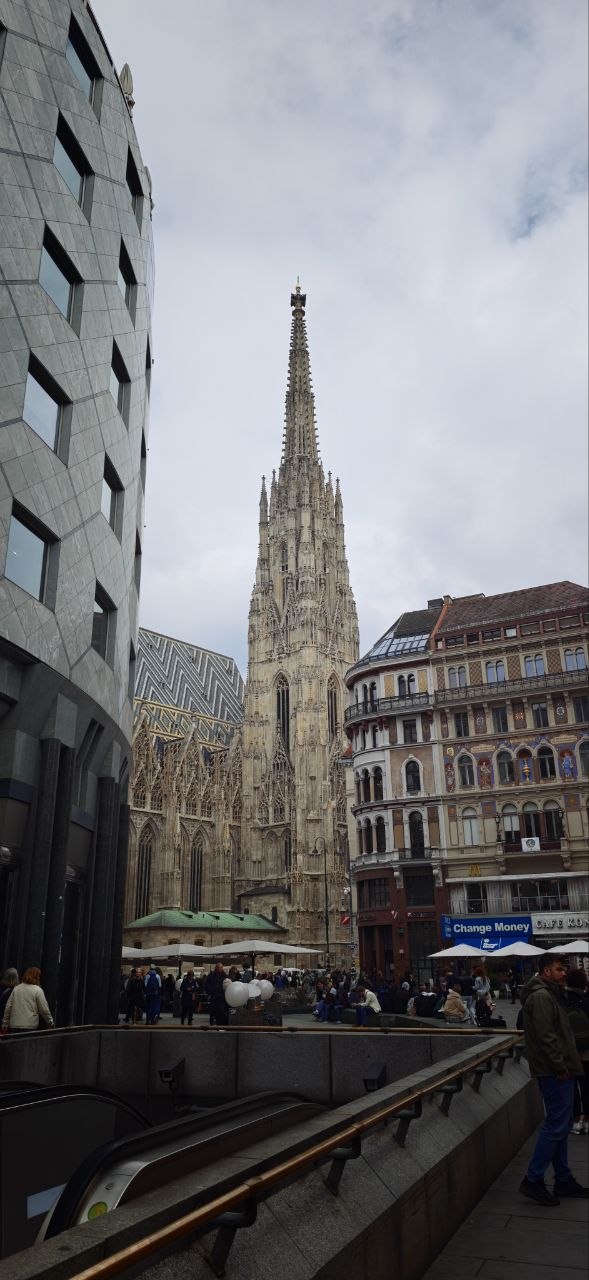
St. Stephen's Cathedral (Stephansdom) — Vienna's most iconic landmark, with its south tower reaching 136 meters
If Vienna has a "kilometer zero," it's St. Stephen's Cathedral.
Construction began in 1137 — a full 141 years before the Habsburgs took control of Vienna. When Rudolf I rode into the city in 1278, this cathedral was already here waiting for him. Generations of Habsburg monarchs were crowned, married, and buried here. Mozart married Constanze here in 1782, and just five years later, his funeral was held in this very cathedral.
History note: The double-headed eagle on the cathedral roof, made of 230,000 colorful glazed tiles, is the Habsburg coat of arms. During the Battle of Vienna in 1945, the roof was gutted by fire. It took seven years to restore after the war, with each Austrian province donating tiles. This cathedral isn't just a symbol of faith — it's a symbol of national identity.
Center of Power · 640 Years
Hofburg Palace — The Power Center of the Habsburgs
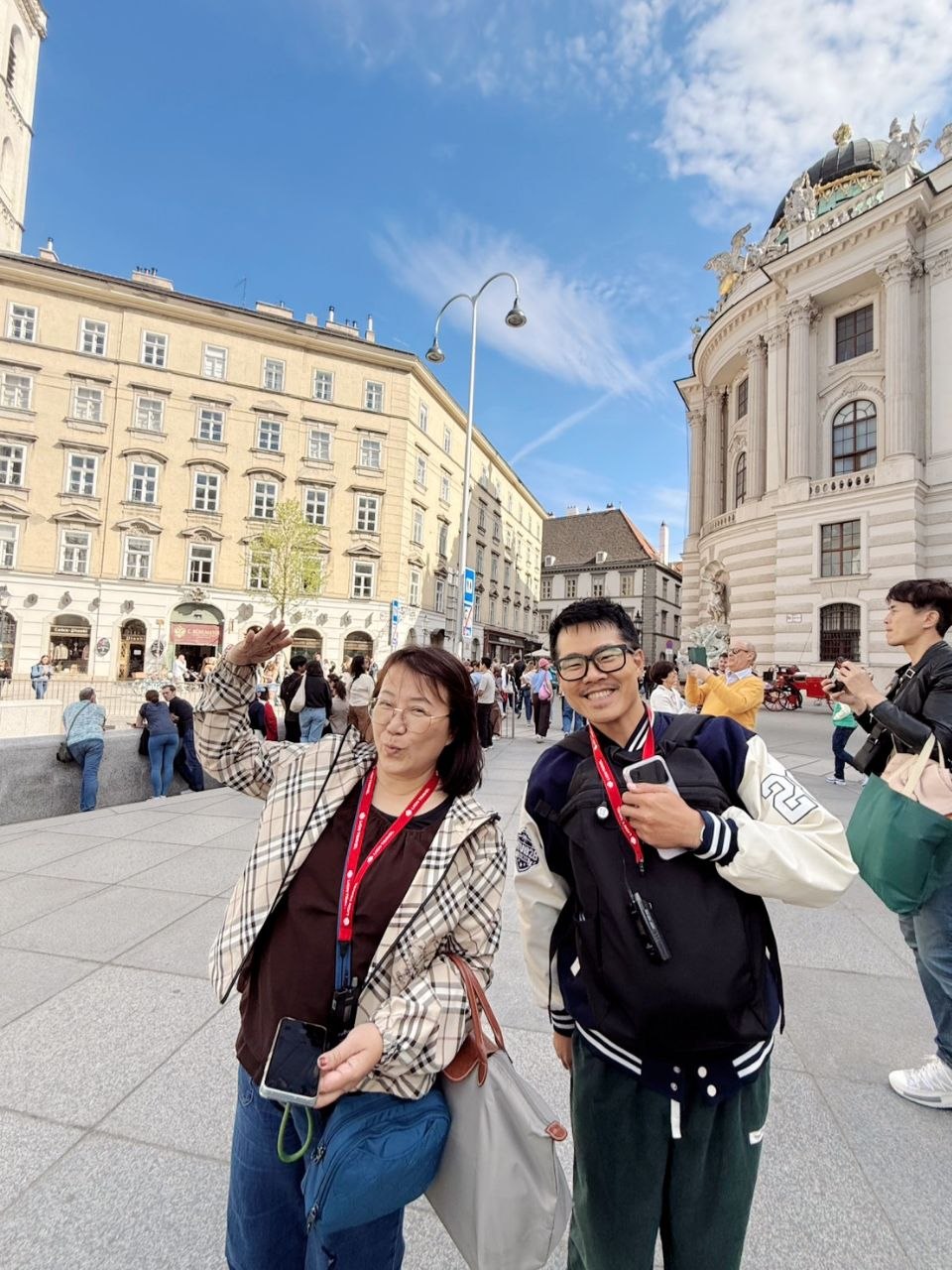
a trip to Europe
The Hofburg isn't a palace — it's a "palace city." Starting from the 13th century, every generation of Habsburg rulers expanded it — medieval fortress, Renaissance wing, Baroque wing, Neoclassical wing. Walking through the Hofburg is like walking through 700 years of architectural history.
It has 2,600 rooms. Franz Joseph I woke up at 4:30 every morning and worked through documents here until late at night. Empress Sisi had a full gymnastics setup installed in her chambers — she was one of the 19th century's earliest fitness fanatics. Today, the Austrian President's office is also inside the Hofburg — the republic's power still operates within the imperial walls.
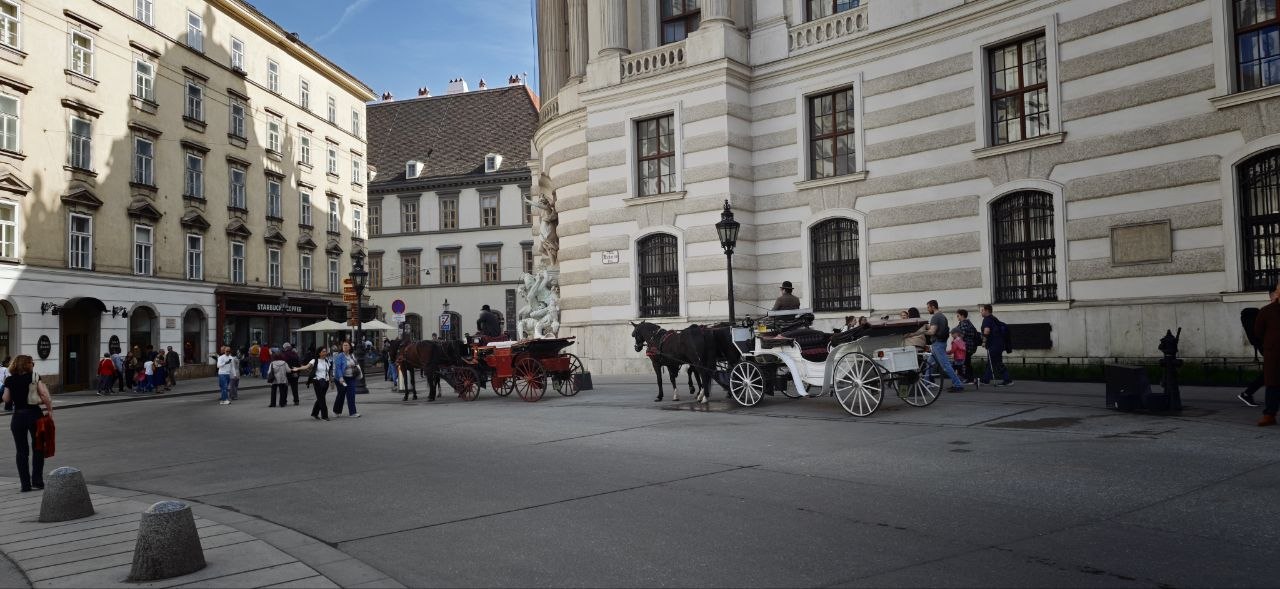
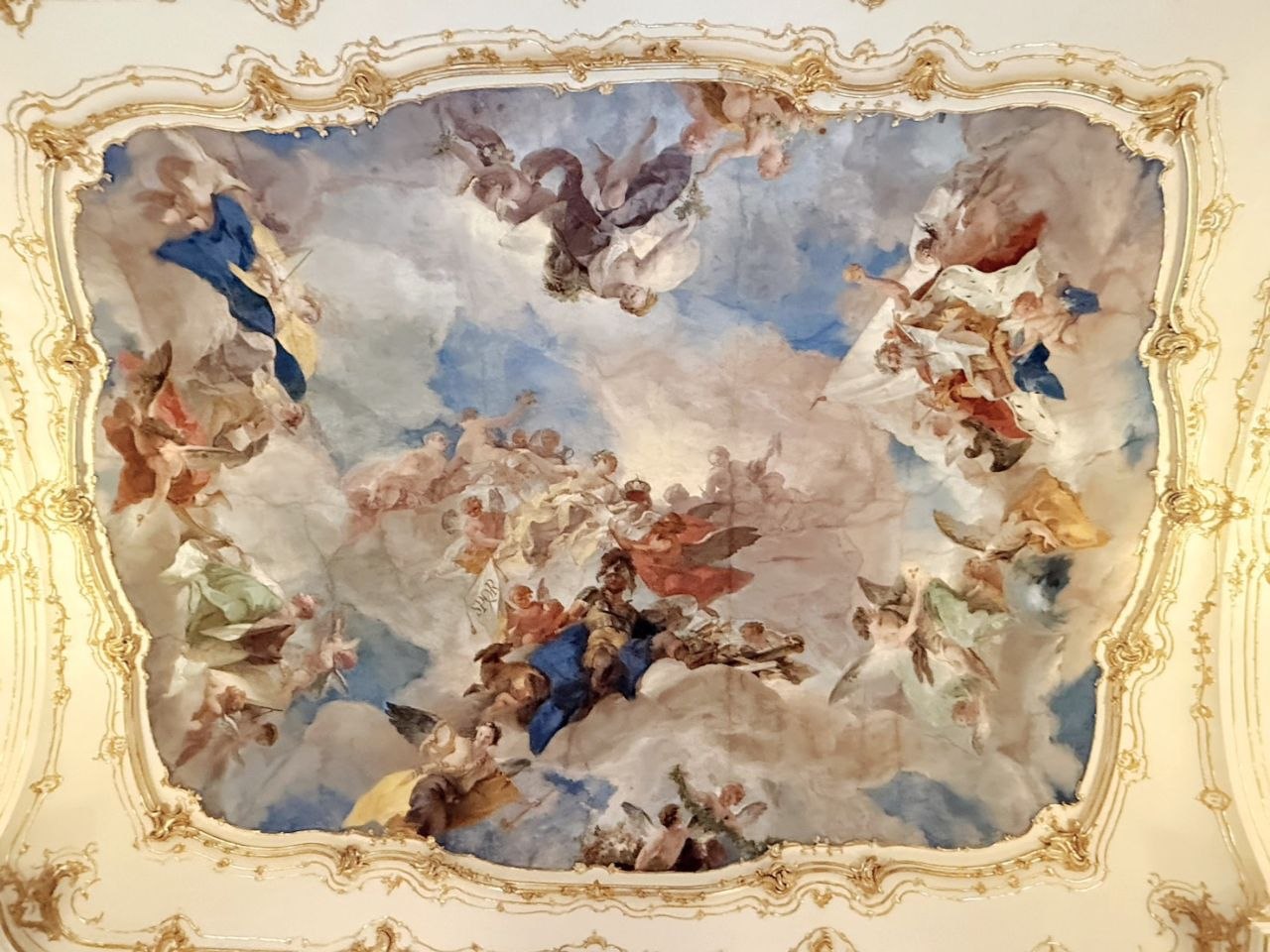
Left: A Fiaker carriage at Hofburg Square — the imperial era's "Uber," still in service today | Right: Baroque ceiling frescoes chronicling the empire's glory
The Fiaker story: Vienna's tourist carriages are called Fiaker, named after the Rue de Saint-Fiacre in Paris, where the city's first rental carriages were stationed. They made their way from Paris to Vienna in the 17th century and never left. A ride costs about 80–110 euros today — compared to an actual Uber, well... at least it's a lot more romantic.
Glory and Shadow
Heldenplatz — A Stage of Triumph and Shame
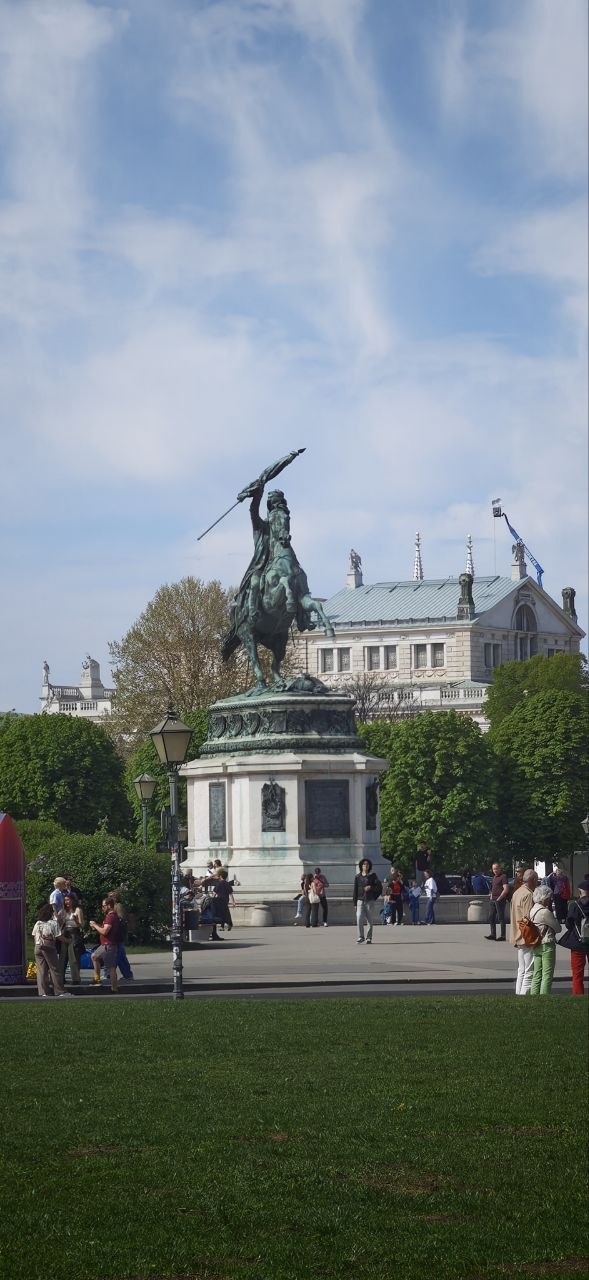
Equestrian statue of Archduke Charles — the hero who defeated Napoleon at the Battle of Aspern in 1809
There are two equestrian statues on Heldenplatz. One depicts Archduke Charles — the general from the timeline who defeated Napoleon in 1809. The statue is an engineering marvel: the entire horse is supported by just its two hind legs, the only equestrian statue in all of Europe to achieve this at the time. The sculptor spent a full 20 years completing it.
But the heaviest page in Heldenplatz's history isn't 1809 — it's 1938. It was on the balcony of the Neue Burg on this very square that Hitler proclaimed the annexation of Austria (Anschluss) to 250,000 cheering Austrians. The same square that honors a hero who repelled an invader also witnessed the nation's surrender to one. History is that cruel — it stacks contradictions in the same place.
In 2018, a commemorative event marking the 80th anniversary of the Anschluss was held on Heldenplatz. The theme wasn't celebration — it was reflection. It took Austria a long time to acknowledge that it wasn't merely a "victim" of the Nazis, but also a perpetrator.
Temple of Knowledge
Austrian National Library — The Empire's Treasury of Knowledge
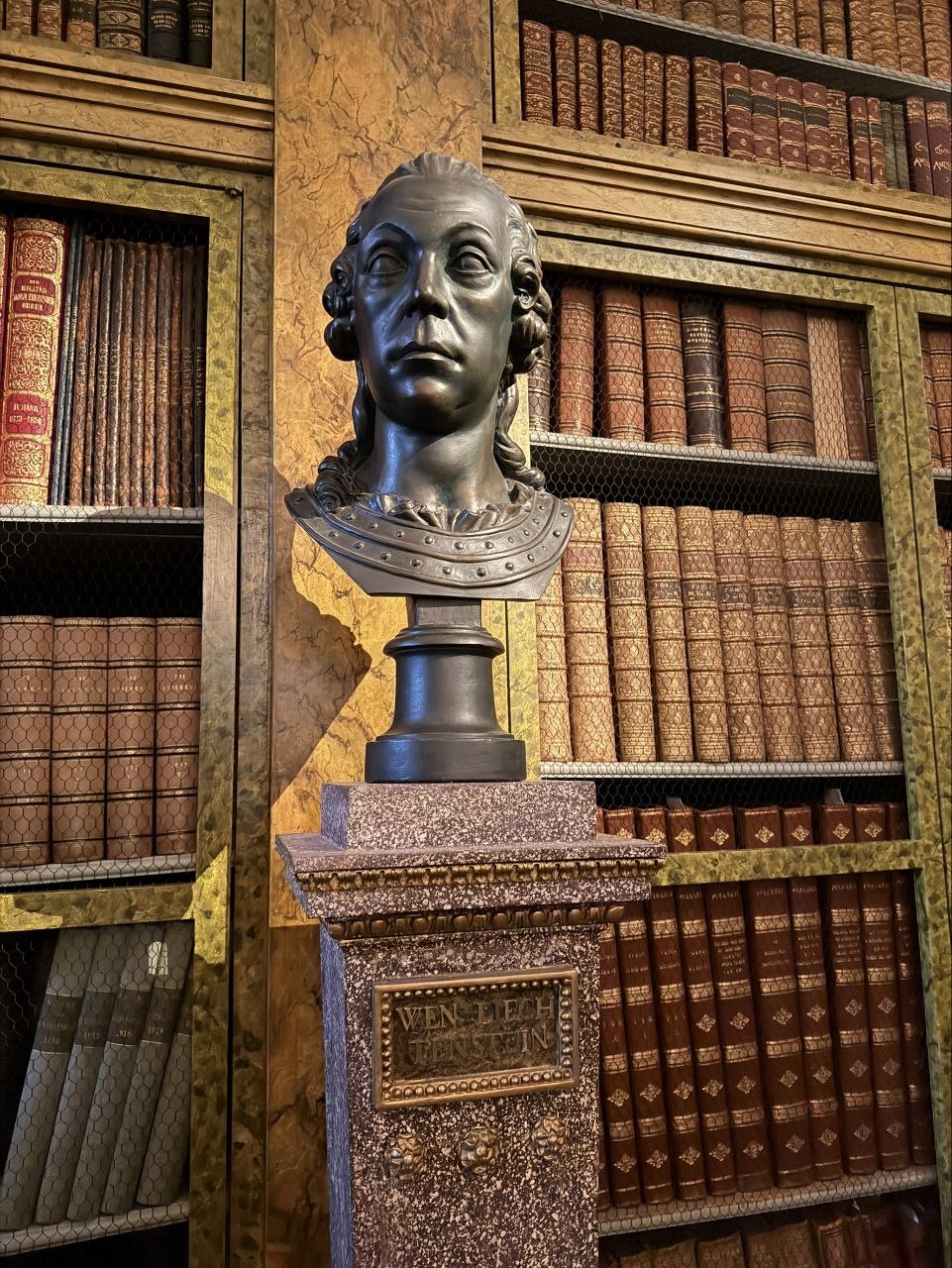
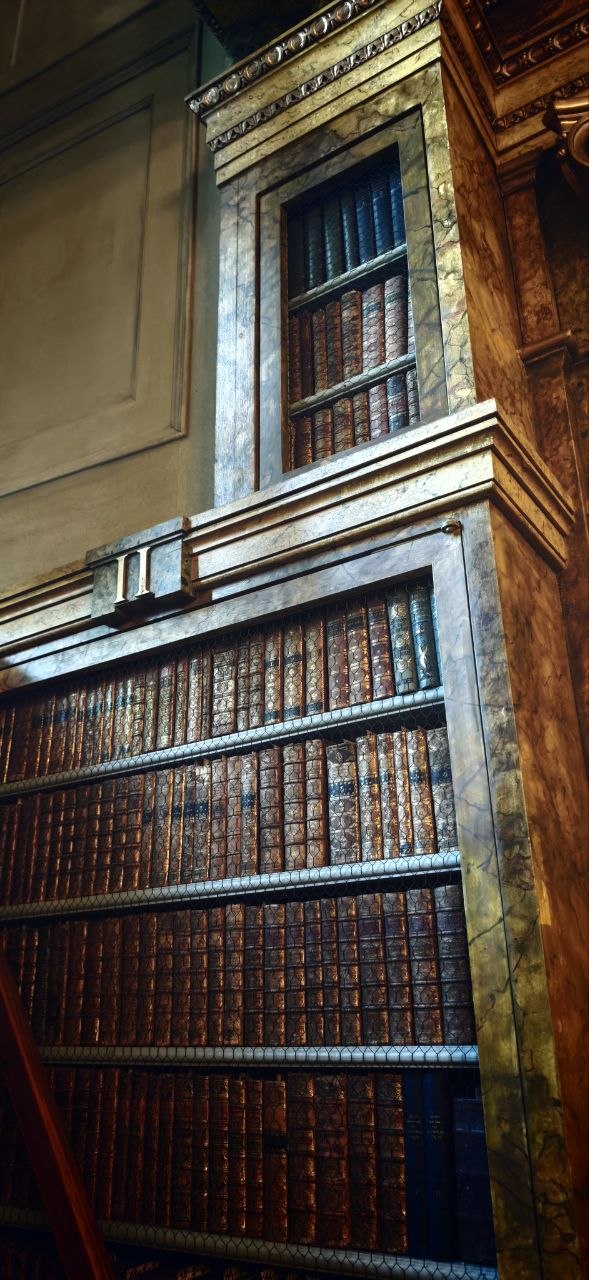
Left: Busts of scholars through the ages in the Prunksaal | Right: Rare books centuries old
The library's State Hall (Prunksaal) was commissioned by Charles VI in the early 18th century. Charles VI was Maria Theresa's father — his lifelong anxiety was ensuring that his daughter could inherit the throne despite being female. To this end, he issued the Pragmatic Sanction and spent twenty years lobbying every European power to recognize it.
But succession wasn't his only concern. This library holds over 200,000 rare volumes. The dome fresco, painted by Daniel Gran, depicts Charles VI himself as Hercules, surrounded by Athena, goddess of wisdom. The Habsburgs didn't just want to flaunt their military might — they wanted to flaunt their intellect too. Though painting yourself as Hercules might lean a bit more toward... well, flaunting.
1693
The Plague Column — Europe's Version of "Fulfilling a Vow"
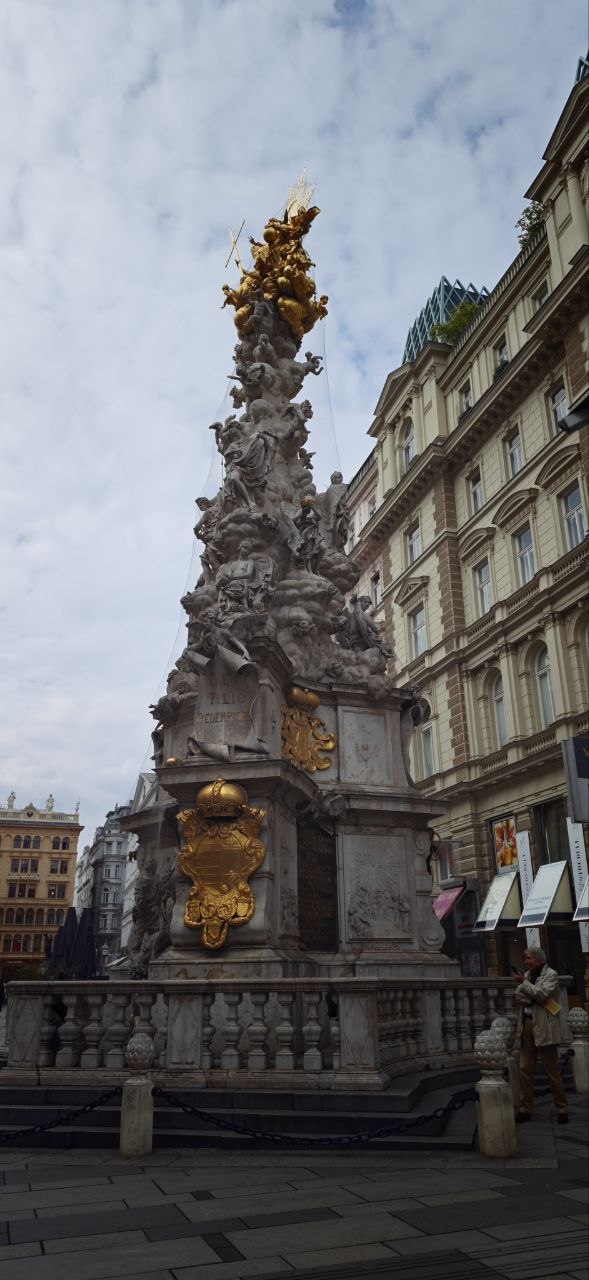
The Plague Column (Pestsaule) on the Graben, completed in 1693
In 1679, the Great Plague swept through Vienna. An estimated 76,000 to 120,000 people perished — roughly a third of the city's population. Emperor Leopold I fled Vienna during the outbreak (emperors are human too), but he made a promise: if the plague subsided, he would erect a monument on Vienna's busiest boulevard.
The plague did subside, and the emperor kept his word. This 21-meter-tall Baroque column features a kneeling emperor at its base and golden figures of the Holy Trinity at its peak. It commemorates not just the dead, but also faith itself — in an age when science couldn't explain the plague, prayer was all people had.
Timeline context: When the plague struck in 1679, the Second Siege of Vienna (1683) was just four years away. Vienna was flattened by disease and barely back on its feet before the Ottoman army surrounded the city. Surviving two existential threats in such quick succession goes a long way toward explaining why the Viennese are so resilient — and so darkly humorous.
City of Music
The Musikverein — Music Is Vienna's Other Language
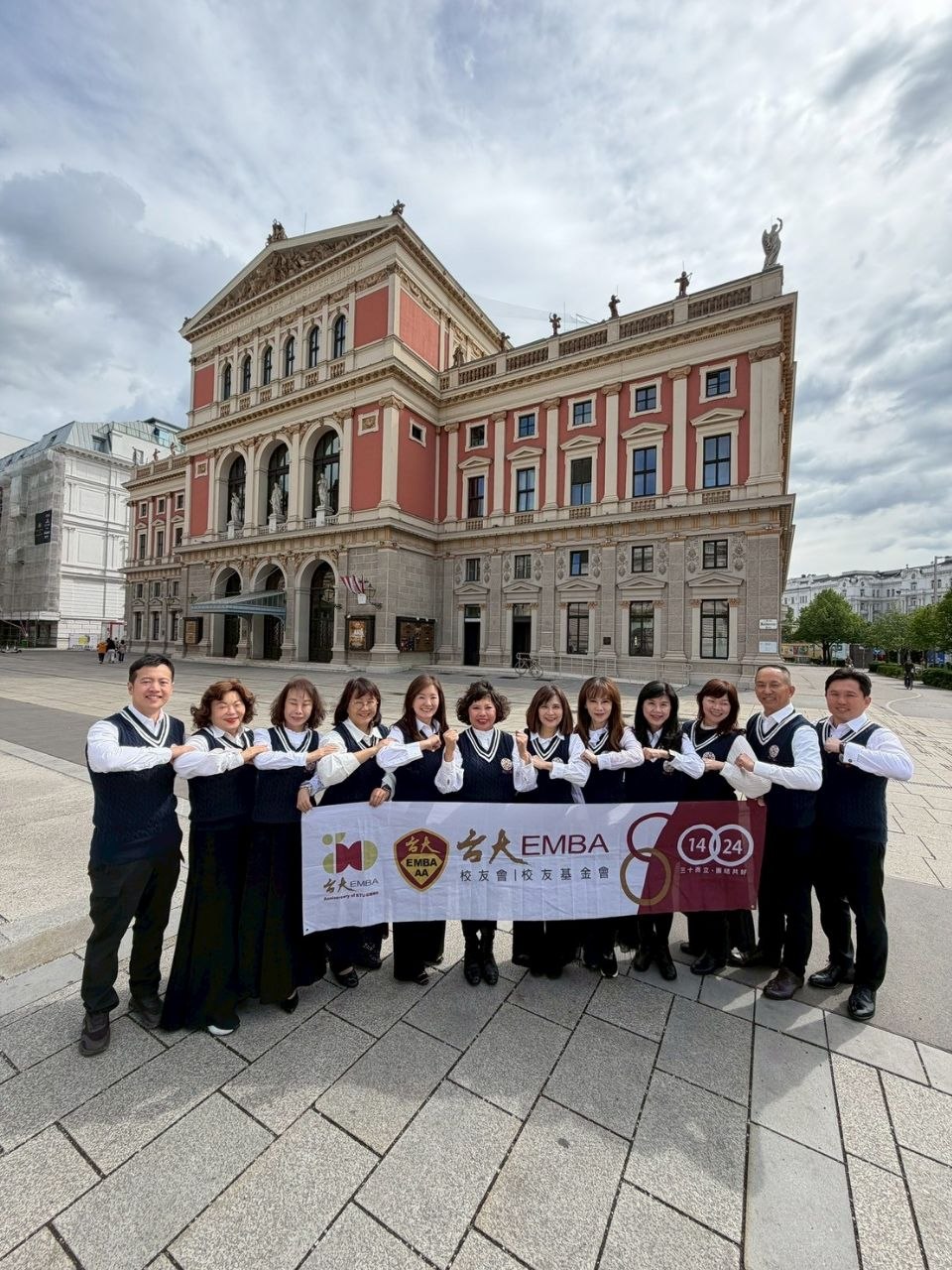
a trip to Europe
The Musikverein opened in 1870, right at the peak of the Ringstrasse construction boom. Franz Joseph I wanted to make Vienna a world-class cultural capital, and music was his ace card.
Every New Year's Day, the Vienna Philharmonic's concert here is broadcast to over 90 countries and 50 million viewers worldwide. The Musikverein's acoustics are considered the finest in the world — not because of any high-tech equipment, but because architect Theophil Hansen calculated the perfect resonance ratios of wood, stone, and air. Sometimes the best technology is 150-year-old technology.
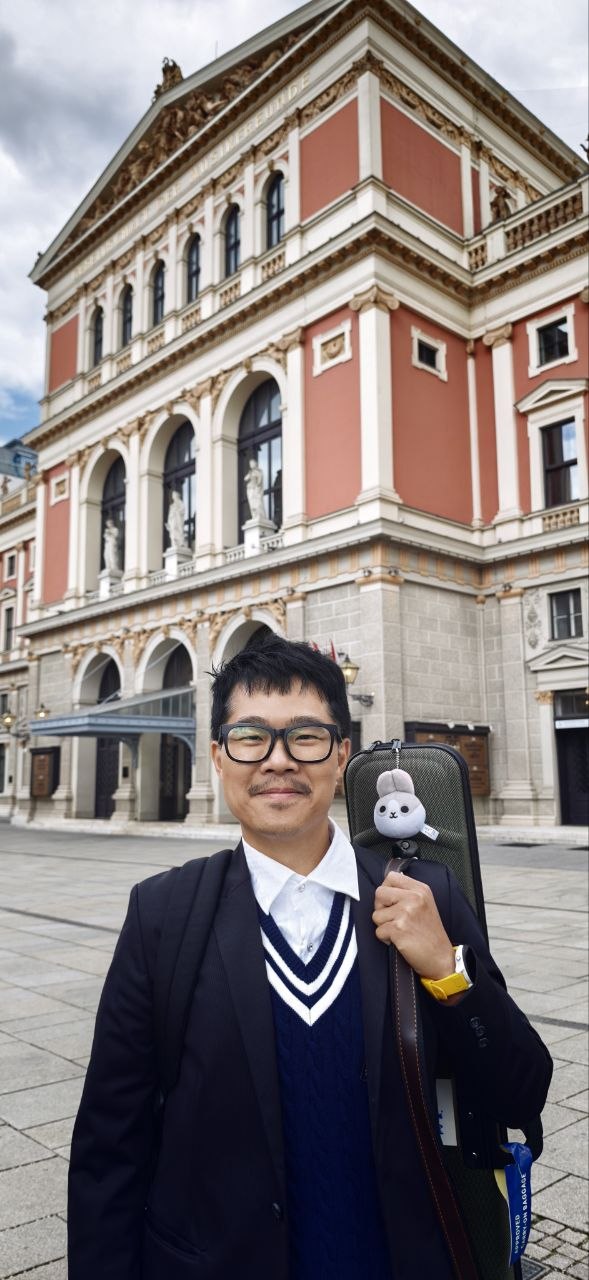
Selfie with a erhu case in front of the Musikverein — you can't come to Vienna without bringing a fiddle!
Vienna is the city of Mozart, Beethoven, Schubert, Brahms, Mahler, and the Strauss dynasty. No other city on Earth has produced such a dense constellation of musical geniuses. Beethoven moved over 60 times while living in Vienna — but he never once left the city.
UNESCO Intangible Heritage
Viennese Coffee Houses — Europe's Intellectual Living Room
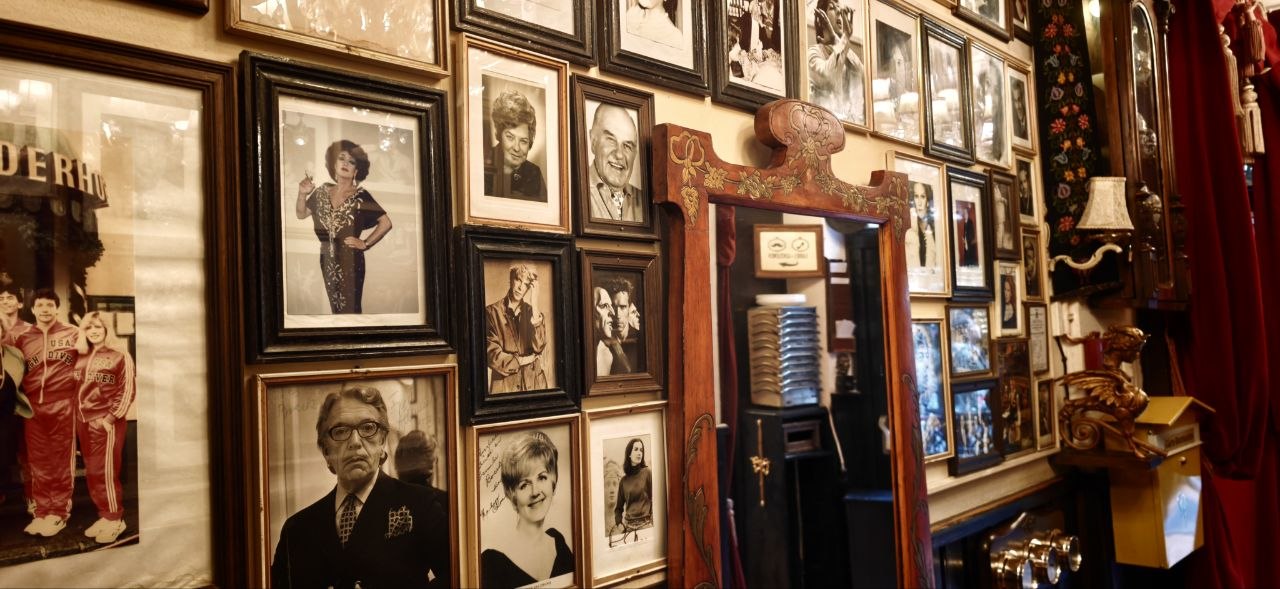
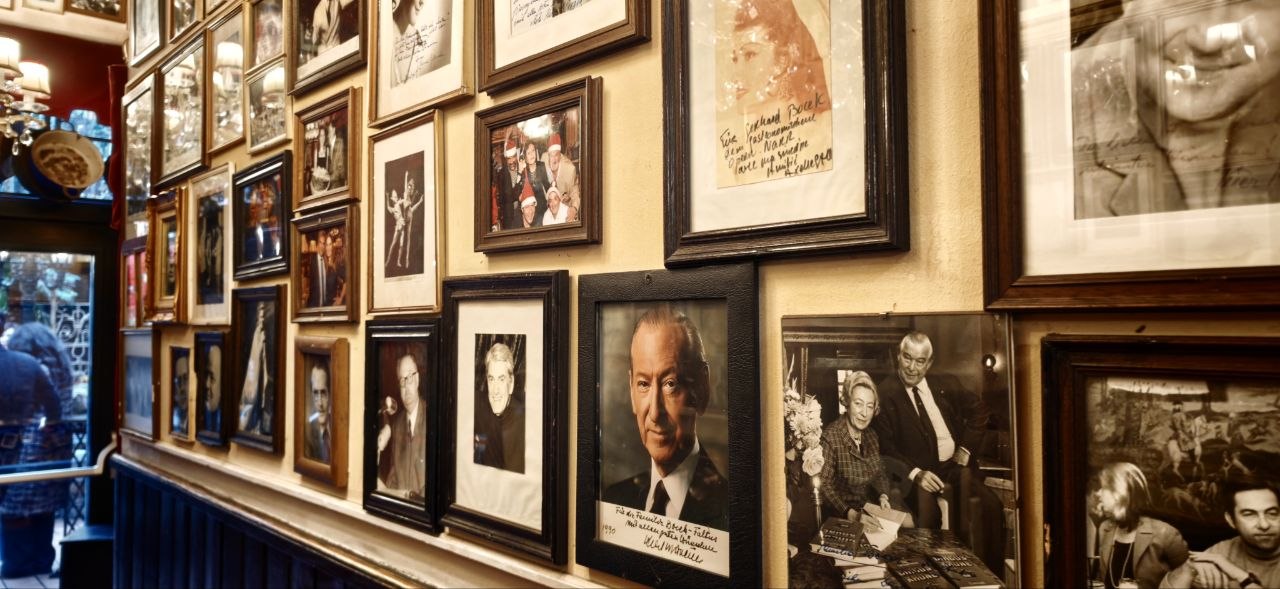
Celebrity photos on the walls of a traditional Viennese coffee house — Freud, Zweig, and Kafka were all regulars
Viennese coffee house culture was inscribed as a UNESCO Intangible Cultural Heritage in 2011. But its origin story is more dramatic than you'd expect: legend has it that after the Second Siege of Vienna in 1683, Polish soldiers discovered large quantities of coffee beans in the abandoned Ottoman camps. A Polish merchant named Kolschitzky claimed the beans and opened Vienna's very first coffee house.
From that moment on, the coffee house became Vienna's "third place" — not home, not the office, but something in between. You could sit all day, order just one Melange (Vienna's signature coffee), and no one would ask you to leave. Freud conceived his psychoanalytic theories in a coffee house. Trotsky plotted revolution in one. Kafka wrote novels in another. The yellowed photographs on the walls don't just record famous faces — they capture an entire era's intellectual landscape.
Coffee house etiquette: The Viennese never say "let's go get coffee." They say "let's go to the coffee house" (ins Kaffeehaus gehen). Because the point isn't the coffee — it's the space. You can read newspapers, write, daydream, or debate with friends. The one thing that's never tolerated is rushing. Time moves a little slower inside a Viennese coffee house.
After the Empire
Modern Vienna — From Imperial Capital to the World Stage
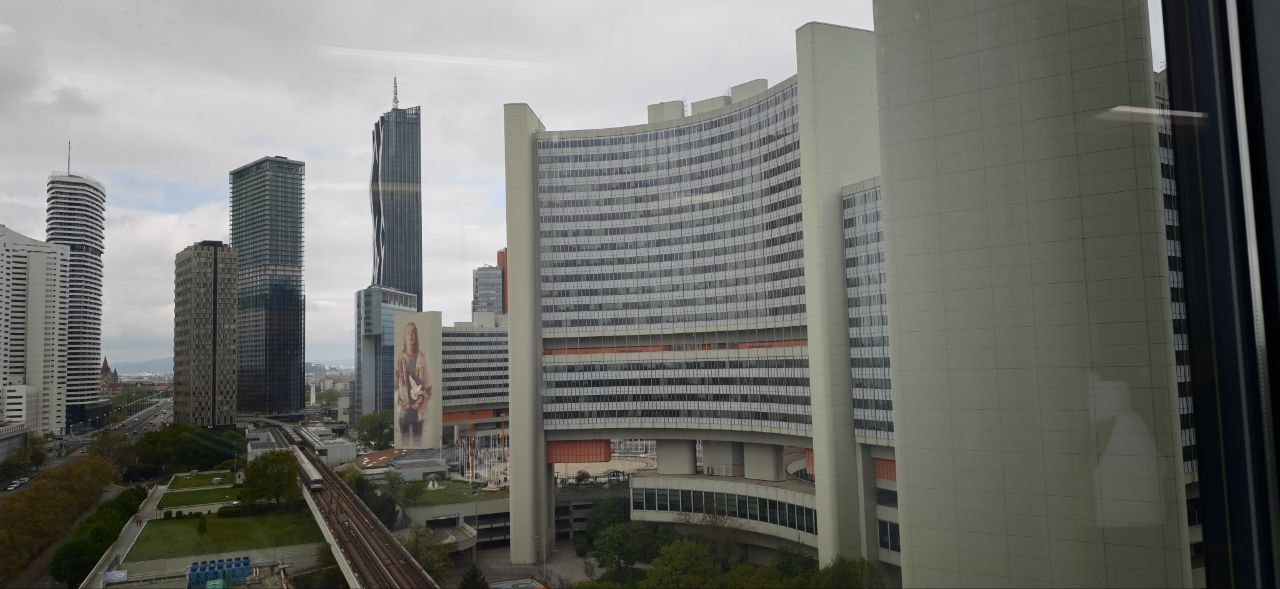
The United Nations Office at Vienna (UNO City) — Vienna is the third UN headquarters after New York and Geneva
After the empire collapsed, Vienna spent a long time adjusting to its new identity. But during the Cold War, Austria's status as a permanently neutral country turned Vienna into a bridge between East and West. In 1979, the UN established its third headquarters here — and Vienna transformed from imperial capital into a hub for international organizations. OPEC is headquartered here. So is the IAEA (International Atomic Energy Agency).
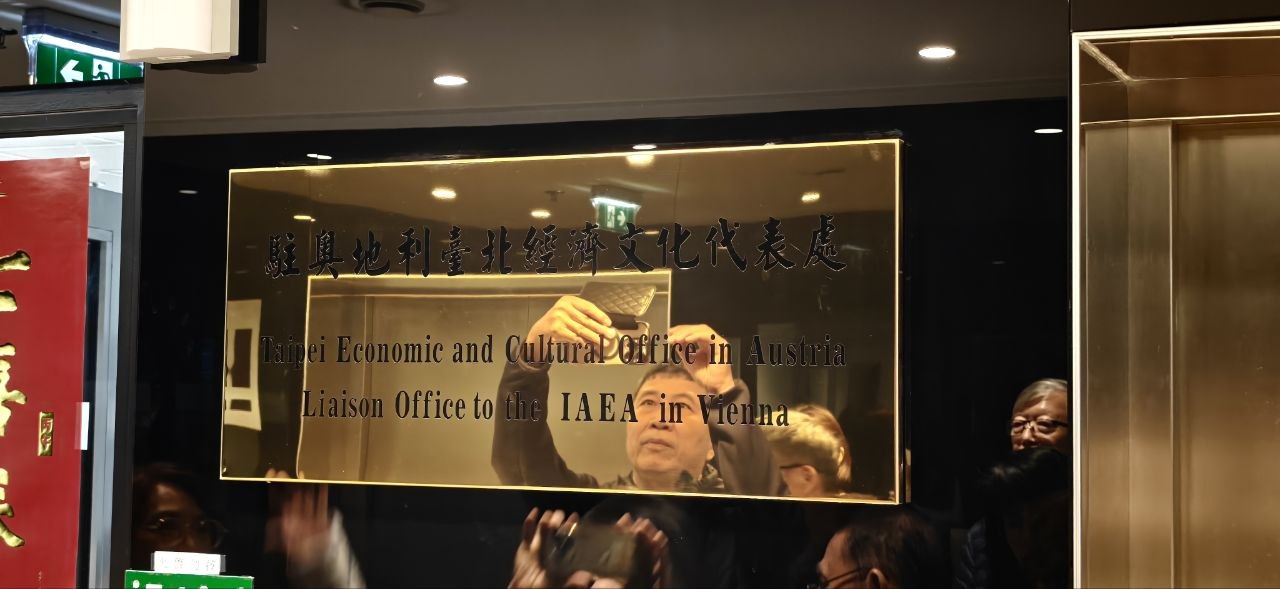
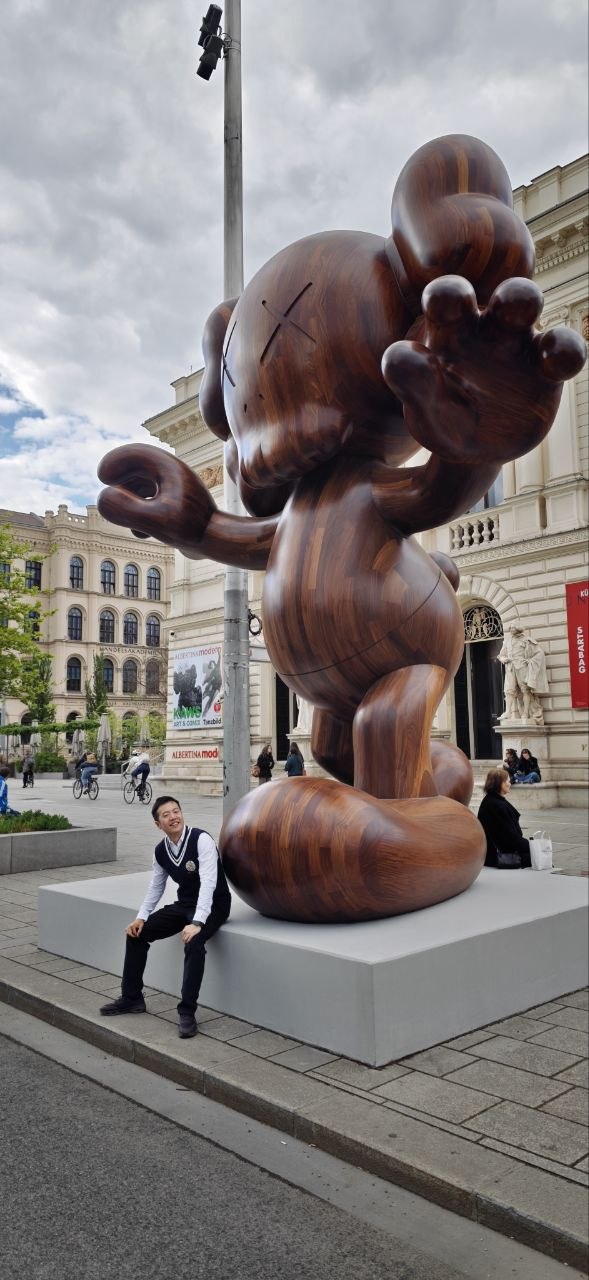
Left: Taipei Economic and Cultural Office in Austria — a Taiwanese presence in the former imperial capital | Right: A KAWS sculpture in front of the Albertina Museum — where classical meets contemporary
Spotting the Taiwanese representative office sign on a Vienna street was unexpectedly moving. In a city that once ruled half of Europe, Taiwan has its own little foothold. And the Albertina Museum — a classical building named after Archduke Albert, a member of the Habsburg family — has a giant KAWS sculpture standing right at its entrance. Imperial stonework and pop-culture plastic, standing side by side without a hint of awkwardness. That's probably Vienna's most charming quality: it never rejects the new, but it never discards the old either.
Vienna Strolls
City Corners — Snapshots from Every Turn
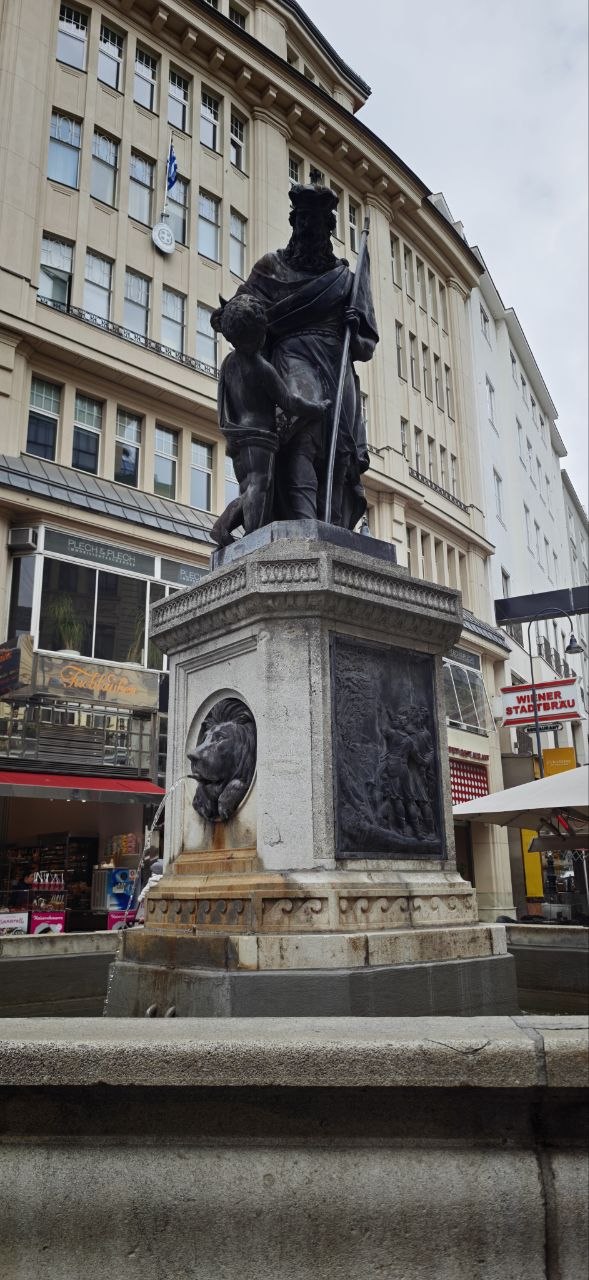
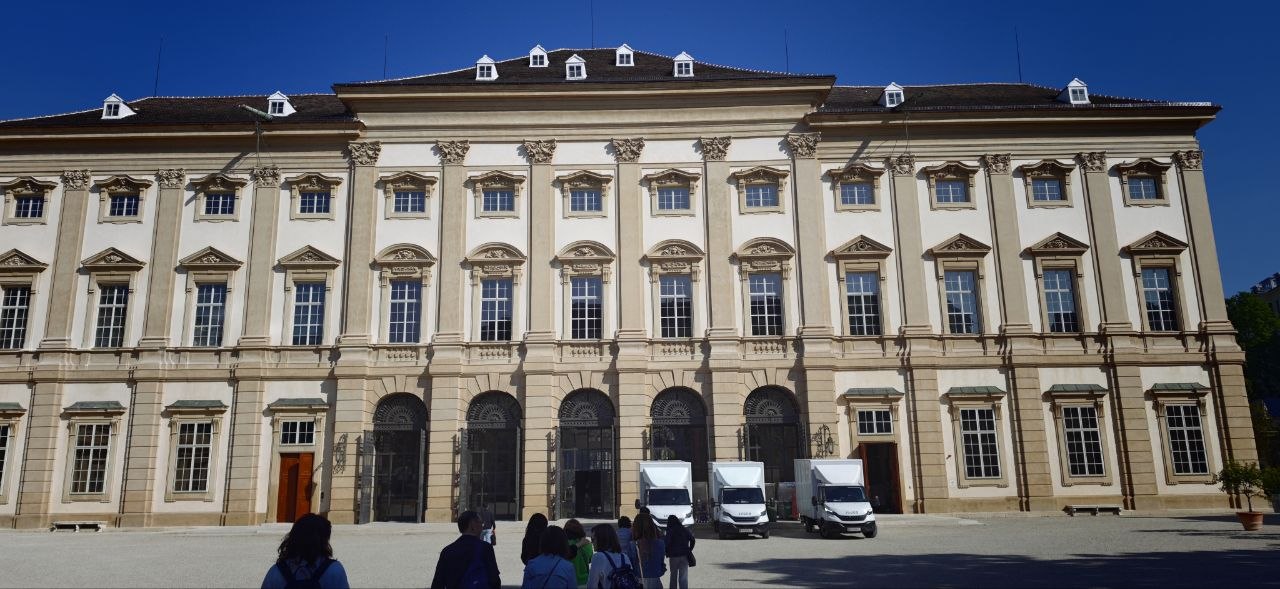
Left: Gutenberg statue — the printing press changed the world, and the spread of knowledge across the Habsburg Empire | Right: Liechtenstein City Palace — yes, that Liechtenstein
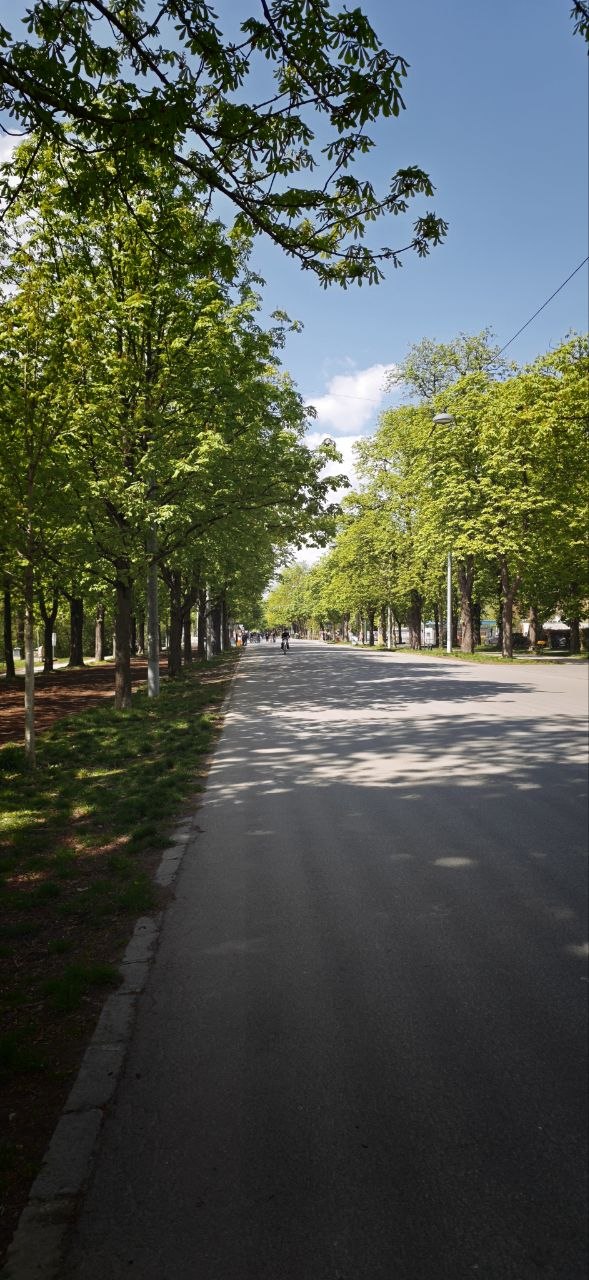
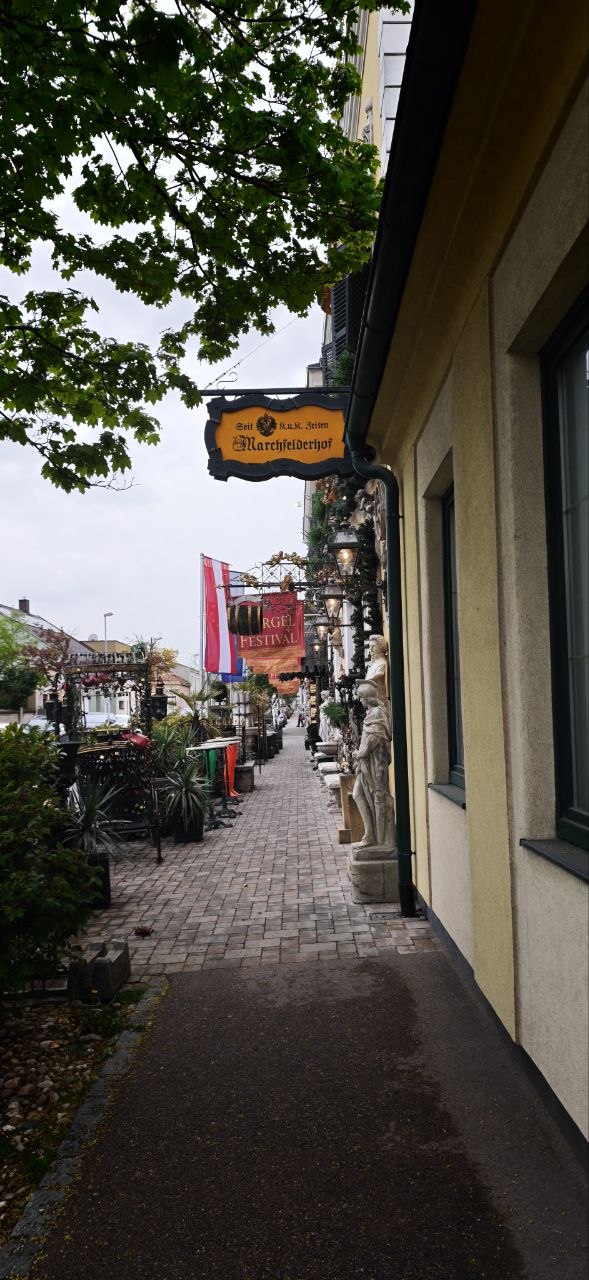
Left: The chestnut-lined avenue in Prater Park — once the Habsburgs' royal hunting grounds | Right: Marchfelderhof restaurant — traditional Austrian cuisine just outside Vienna
The Liechtenstein City Palace was the Vienna residence of the ruling family of Liechtenstein. That's right — the country so tiny you can barely find it on a map? Its royal family was actually one of the wealthiest noble houses in the entire Habsburg Empire. Prater Park was once the exclusive royal hunting ground, until Joseph II (Maria Theresa's son) opened it to the public in 1766. "If I only wanted to be around people of my own rank," he said, "I'd have to live in the Imperial Crypt."