Technisches Museum Wien
From steam engines to nuclear reactors — 300 years of human technology condensed into one building
01 About the Museum
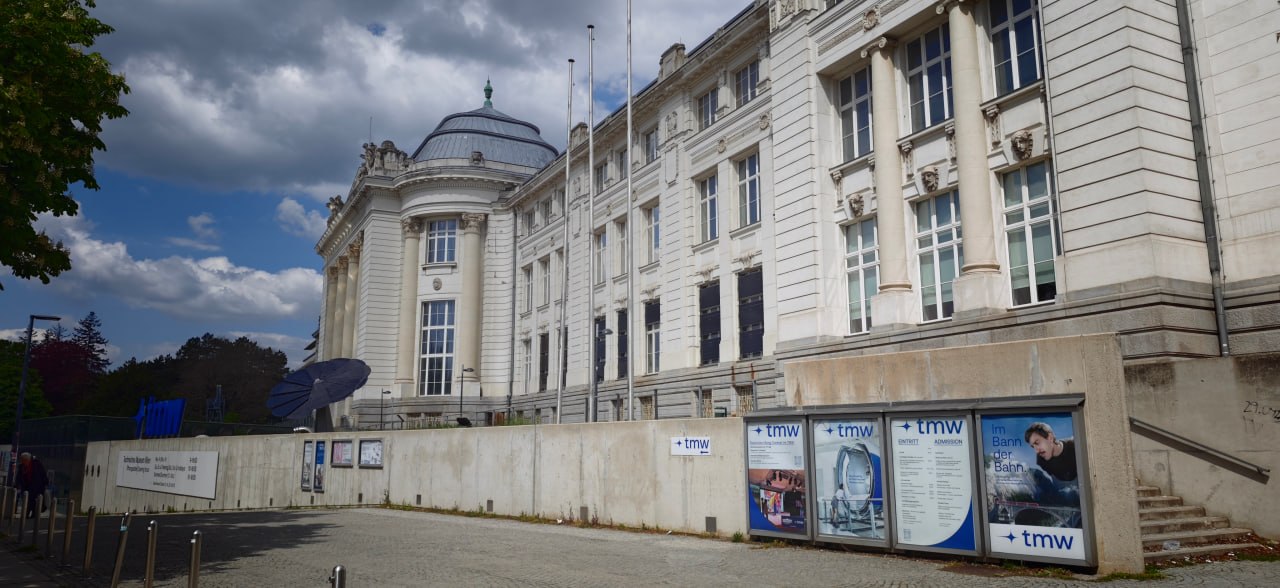
Technisches Museum Wien (Vienna Museum of Technology, or TMW for short) is one of Europe's largest science and technology museums. Its history dates back to 1909, when it was conceived to celebrate Emperor Franz Joseph I's 60th year on the throne. The museum officially opened in 1918. This magnificent neoclassical building sits at Mariahilfer Straße 212 in Vienna's 14th district, not far from Schönbrunn Palace.
The permanent exhibitions cover energy, transportation, industry, everyday technology, media, and natural science — from 18th-century hand-crafted machinery to 21st-century renewable energy. The story is told through real artifacts, and many exhibits are hands-on — this is not the kind of museum where you can only stare through glass.
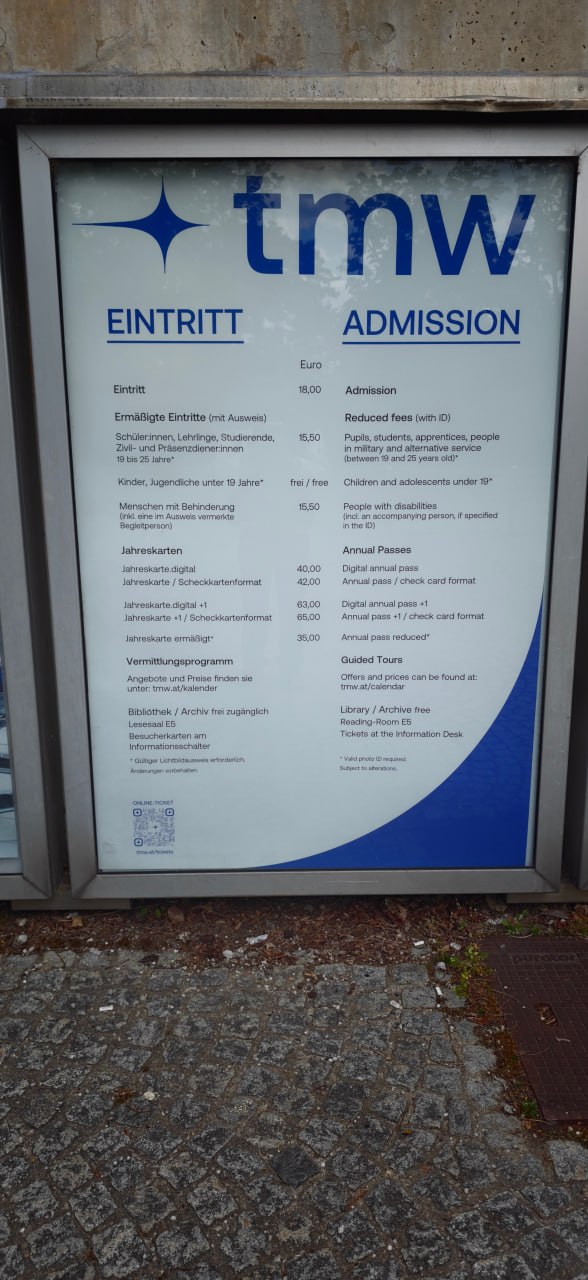
02 The Power Revolution: From Steam to Turbines
Every great leap in human civilization has begun with a revolution in power systems. TMW dedicates an entire floor to telling this story, and tells it brilliantly.
The Age of Steam
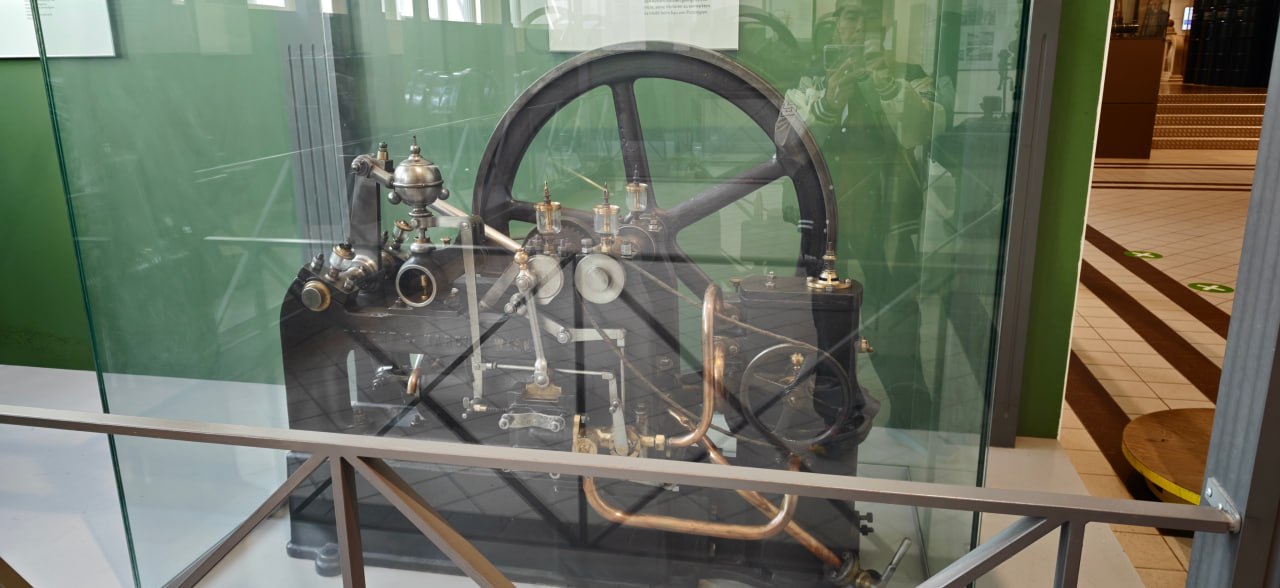
This steam engine is one of the exhibition's showpieces. Through the glass enclosure, you can clearly see the flywheel, pistons, and connecting rods working in precise coordination. It's hard to imagine how 19th-century craftsmen, without CNC machines, managed to machine metal to this level of precision.
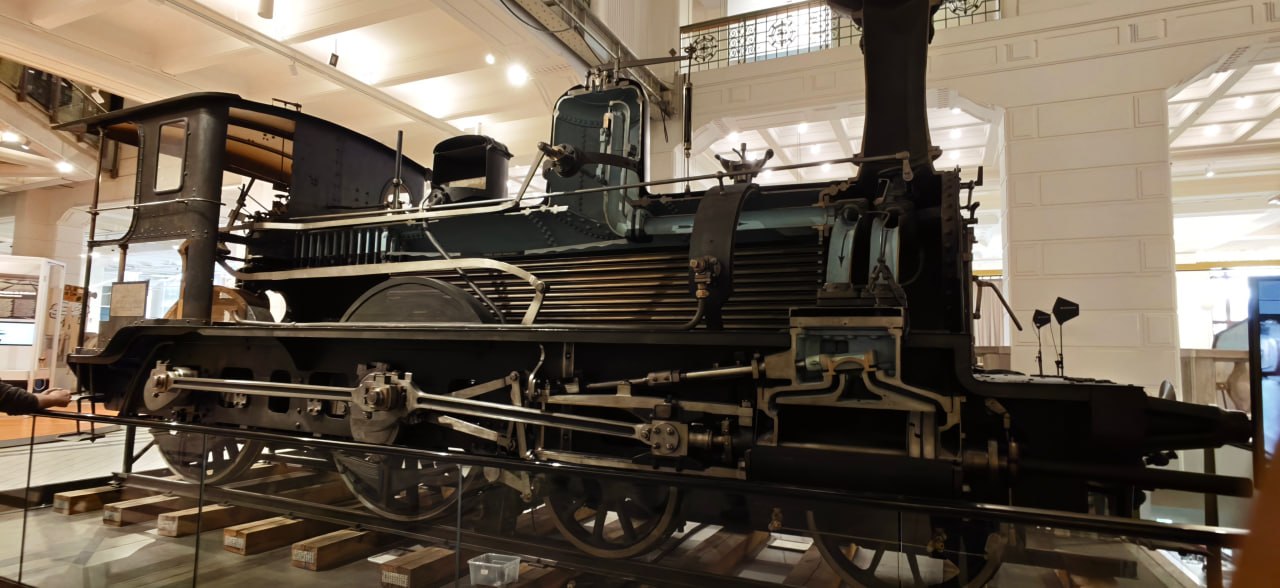
Put wheels on a steam engine and you get a locomotive. This black behemoth sits quietly in the exhibition hall, yet standing before it, you can still feel its overwhelming sense of raw power. In the 19th century, the railway was the highway.
The Age of Electricity
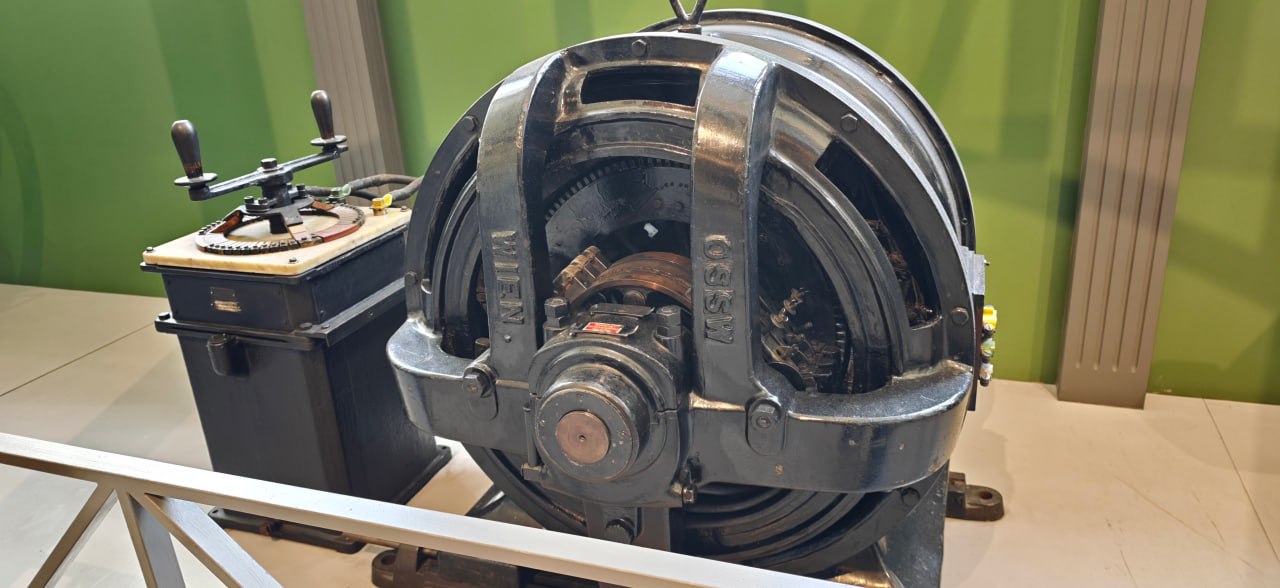
The leap from steam to electricity was the most pivotal transition in the history of human power. This motor/generator bearing the "WIEN" inscription is several times larger than a modern equivalent of the same output, but it was cutting-edge technology in its day. The copper coils and cast-iron frame exude a rugged beauty unique to the industrial age.
The Age of Turbines
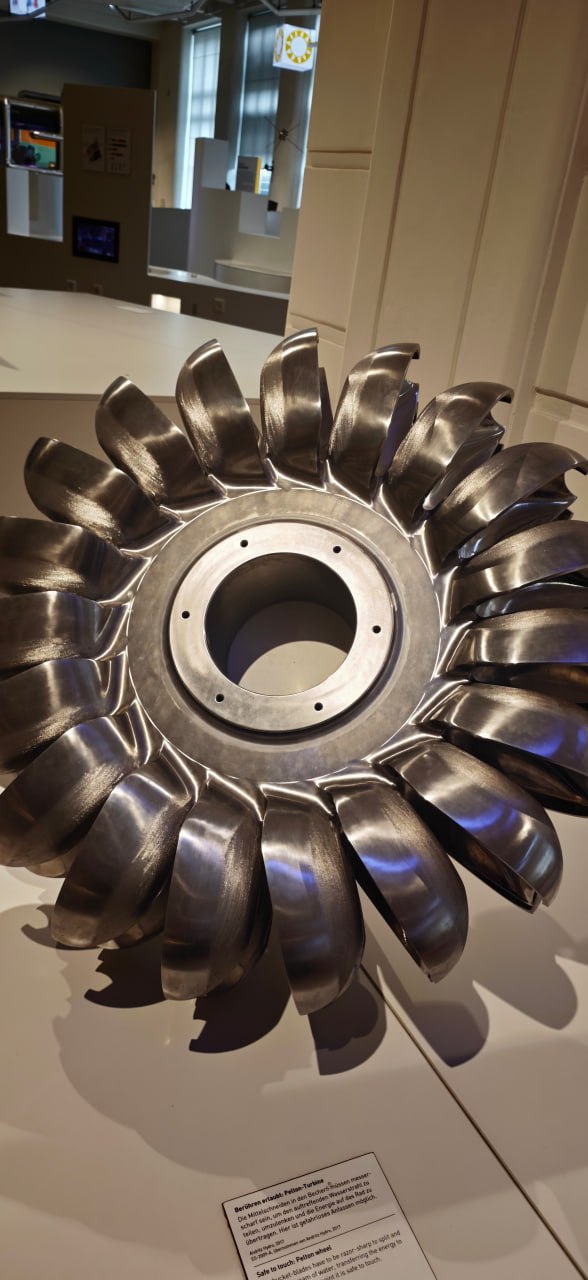
With the turbine engine, the complexity of power systems jumped another order of magnitude. Every blade on this compressor disc must withstand temperatures exceeding 1,000°C and centrifugal forces at tens of thousands of RPM. Looking at it, you understand why the aerospace industry is called the crown jewel of manufacturing.
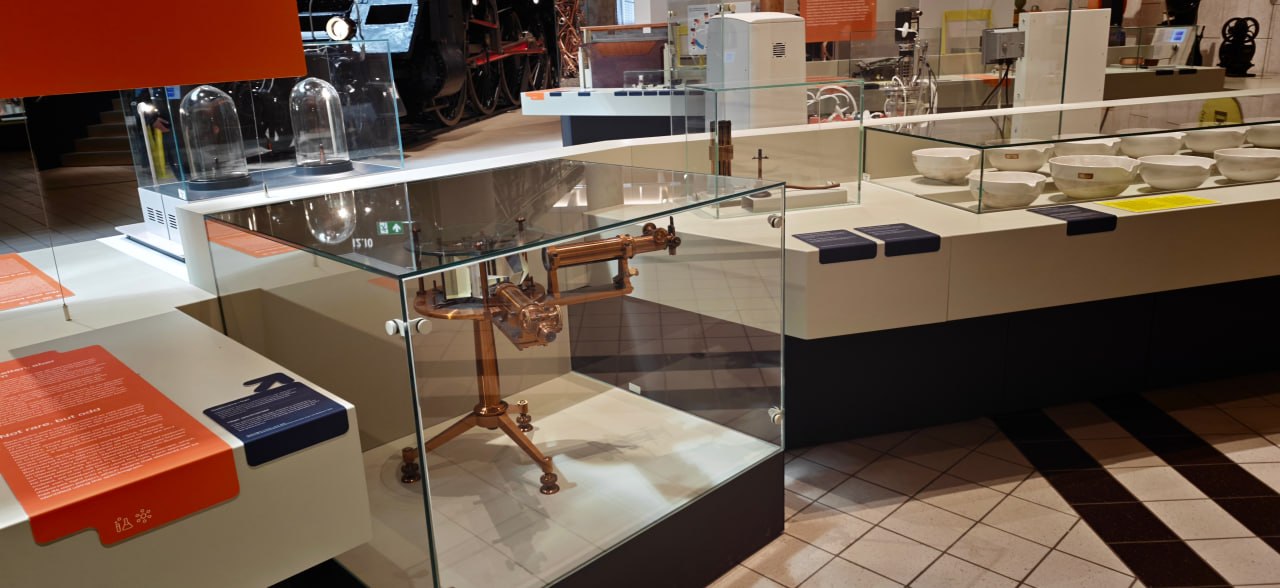
Behind the power revolution lies a revolution in measurement. This set of brass precision instruments reminds us that without the ability to measure accurately, even the best designs remain theoretical. Every step toward "more precise" has enabled humanity to build "more powerful" machines.
03 Energy Exploration: Coal, Nuclear, Solar, Wind
With power systems in place, you need energy to drive them. The TMW energy gallery tells a clear story through four eras of exhibits: humanity has always been searching for cleaner, more efficient sources of energy.
Nuclear Energy
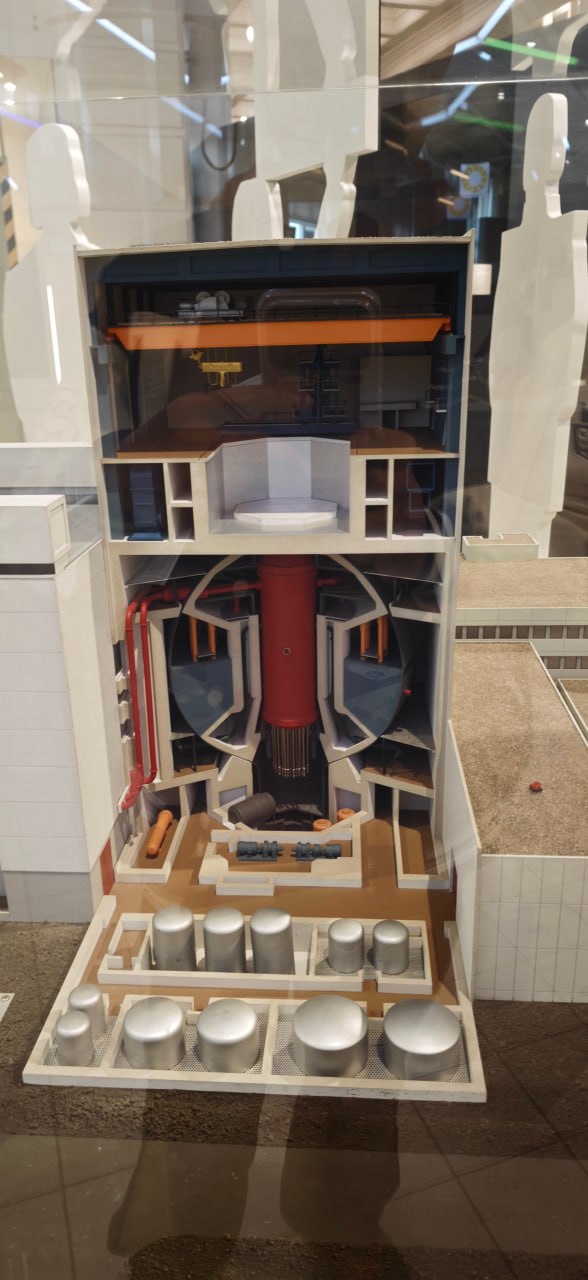
The first thing that catches your eye upon entering the gallery is this cutaway nuclear reactor model. It lays bare the reactor's internal structure — fuel rods, control rods, cooling loops — every textbook term becomes a tangible, three-dimensional object. Regardless of your stance on nuclear energy, you have to admit this is a pinnacle of human engineering.
Particle Science
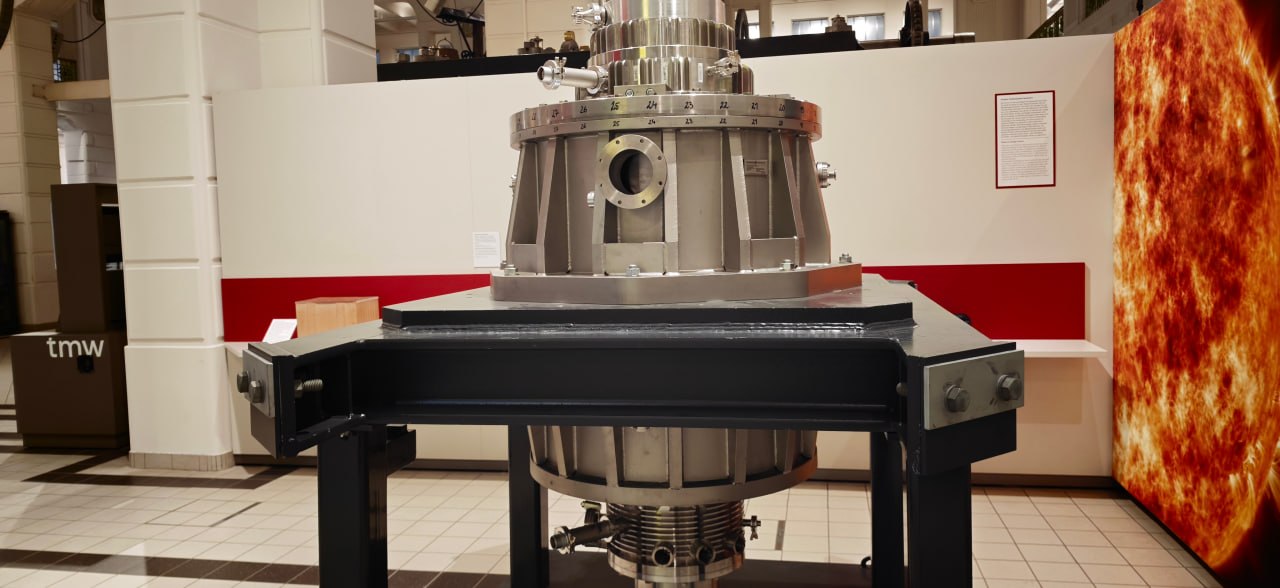
The sun image on the wall is telling — the ultimate goal of nuclear fusion is to contain a sun inside a vessel. Whether this device is an accelerator or a fusion experiment, it represents humanity's fundamental inquiry into matter: What is matter really? Where does energy come from?
Solar Energy
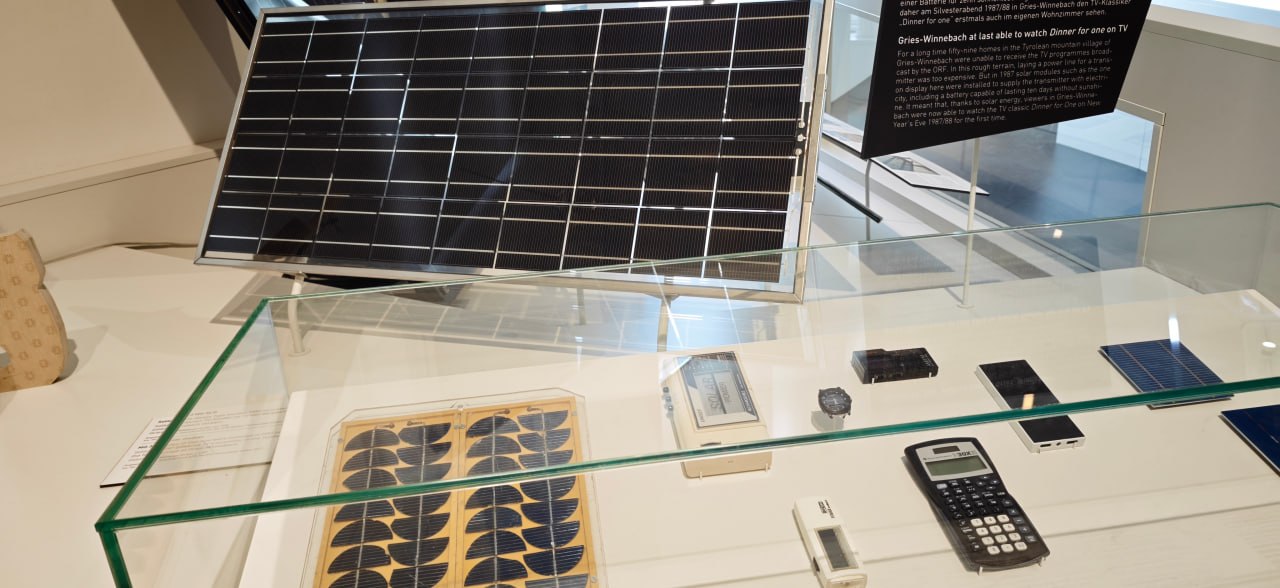
This wall lines up the evolution of solar panels side by side, letting you see decades of efficiency gains at a glance. The earliest solar panels had conversion rates below 5%; today they exceed 25%. A fivefold improvement, the result of countless materials scientists' dedication.
Wind Energy
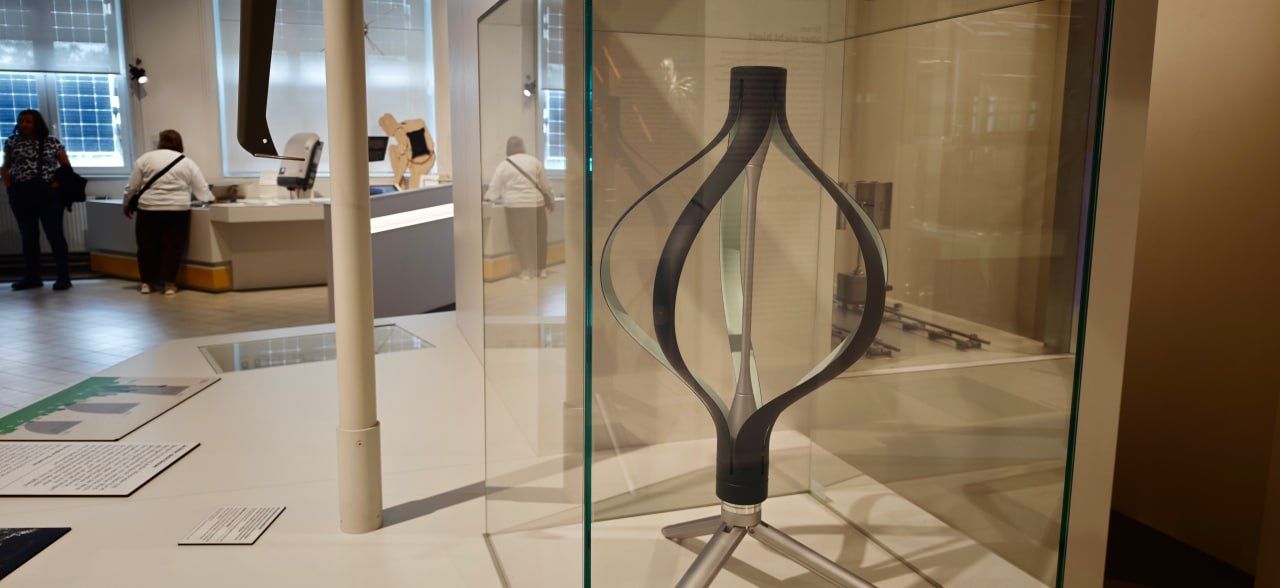
This wind energy exhibit transforms turbine blades into something almost sculptural. Wind power is already one of Europe's most important renewable energy sources, and Austria's Alpine regions are natural wind corridors. Here, technology and nature find their perfect balance.
04 Materials Science: Elements, Carbon, Fiber Optics
Advances in power and energy have largely been driven by materials science. TMW brings this often-overlooked field into the spotlight with three remarkable exhibits.
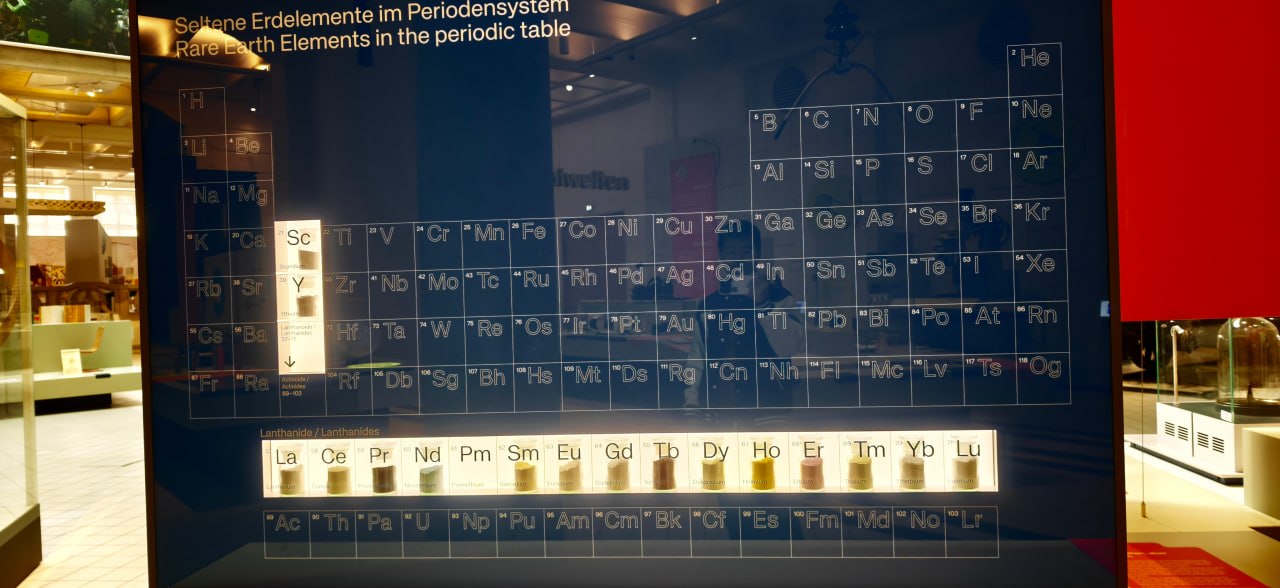
This was one of my favorite exhibits in the entire museum. A massive periodic table — but not printed. Beneath each rare earth element is a real physical sample. You can see what neodymium looks like, what color cerium is, how lanthanum's metallic luster shines. These names are just symbols in textbooks; here, they become tangible reality you can almost touch.
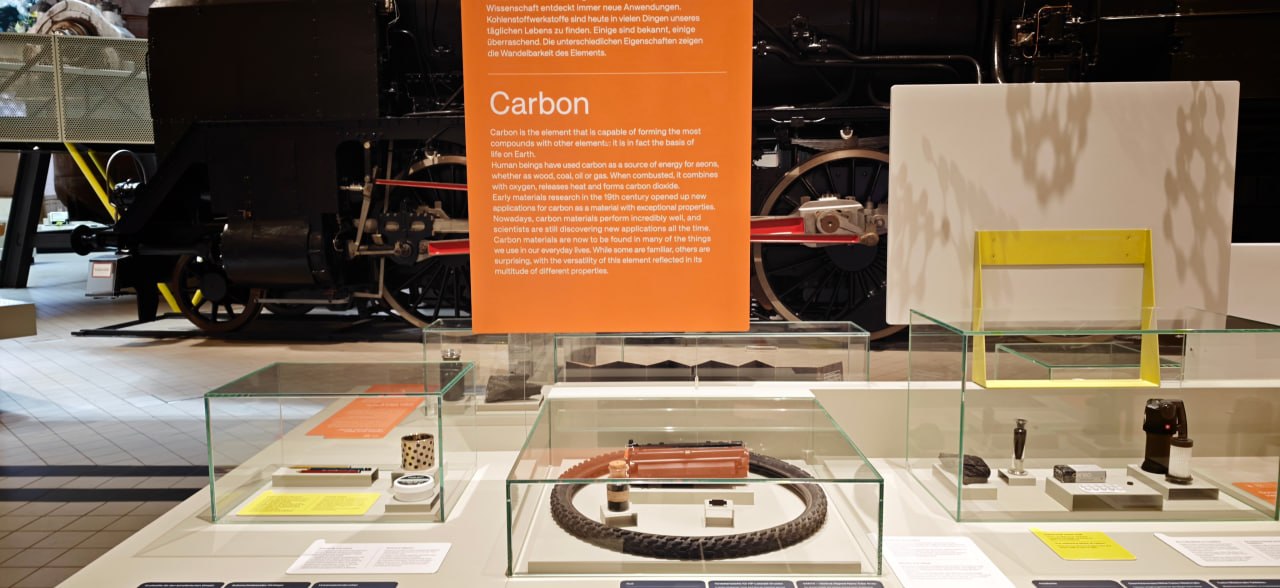
Carbon may be the most fascinating element in the universe. This exhibit uses various carbon products — graphite, diamond, carbon fiber, activated carbon — to show you how many completely different forms a single element can take. The allure of materials science lies in building entirely different structures from the same building blocks.
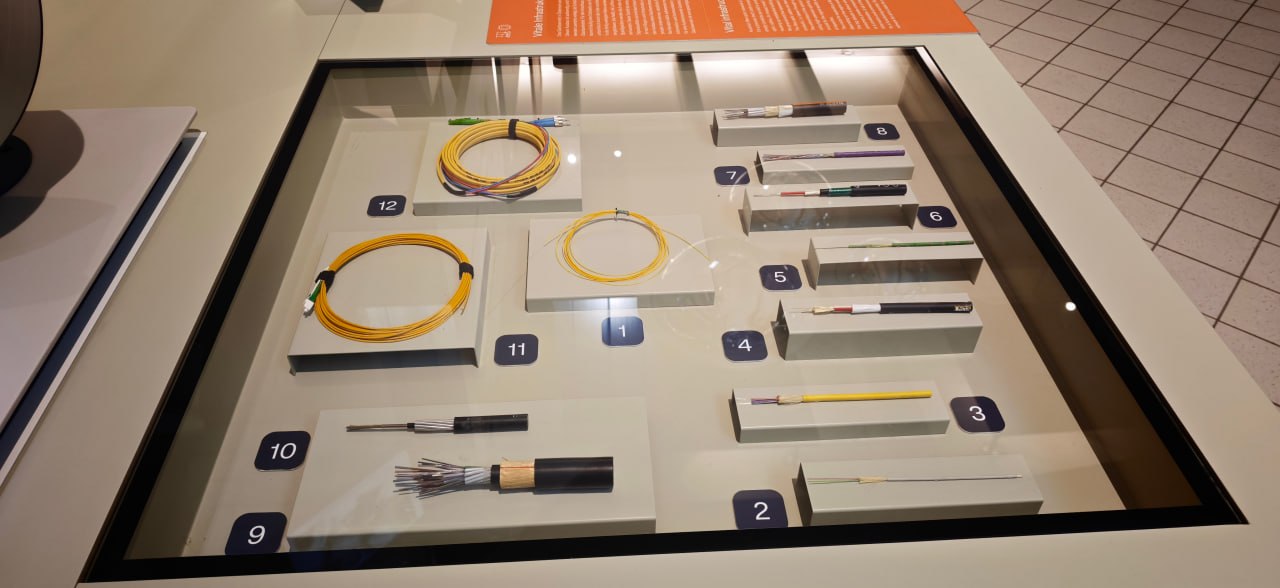
This display panel shows 12 different types of fiber optic cables, each with distinct applications and transmission characteristics. The fact that you can read this article right now is because a fiber optic cable is transmitting data at the speed of light somewhere underground. These unassuming glass threads support the entire internet age.
05 Transportation: From Vintage Cars to Satellites
The evolution of transportation is the most tangible reflection of technological progress. TMW connects a century of distance with three exhibits.
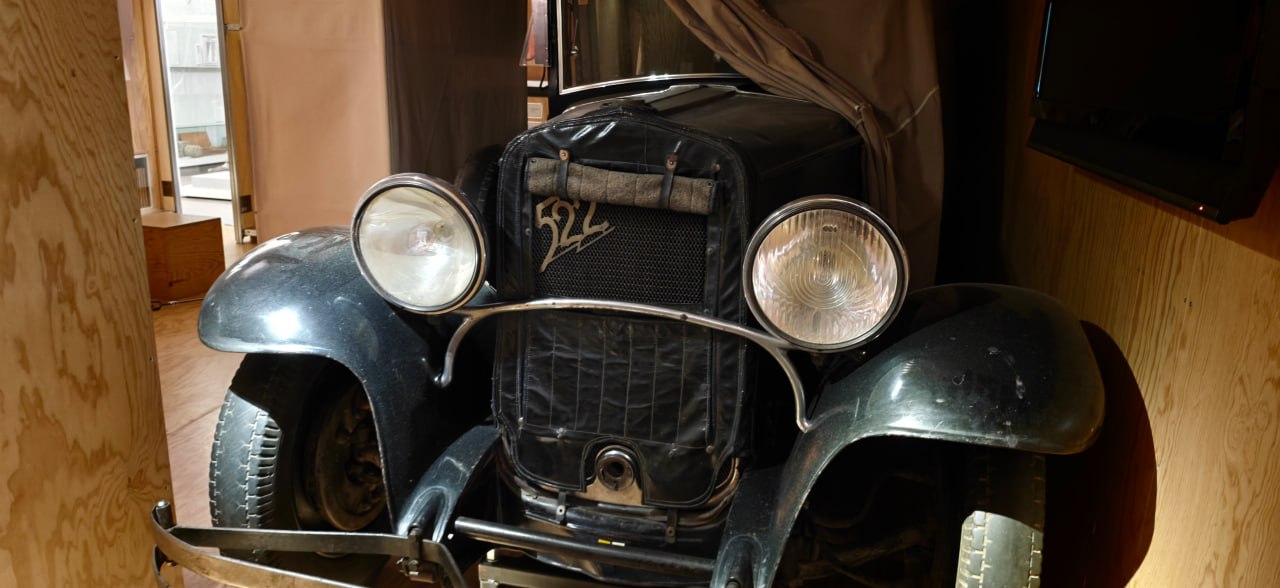
This 1920s vintage car is remarkably well preserved. The rounded fenders, the exposed engine, the wooden-spoked wheels — every detail says: "I come from a different era." But think about it: it does the same thing as today's electric cars — move people from point A to point B. A century of difference comes down to efficiency and comfort.
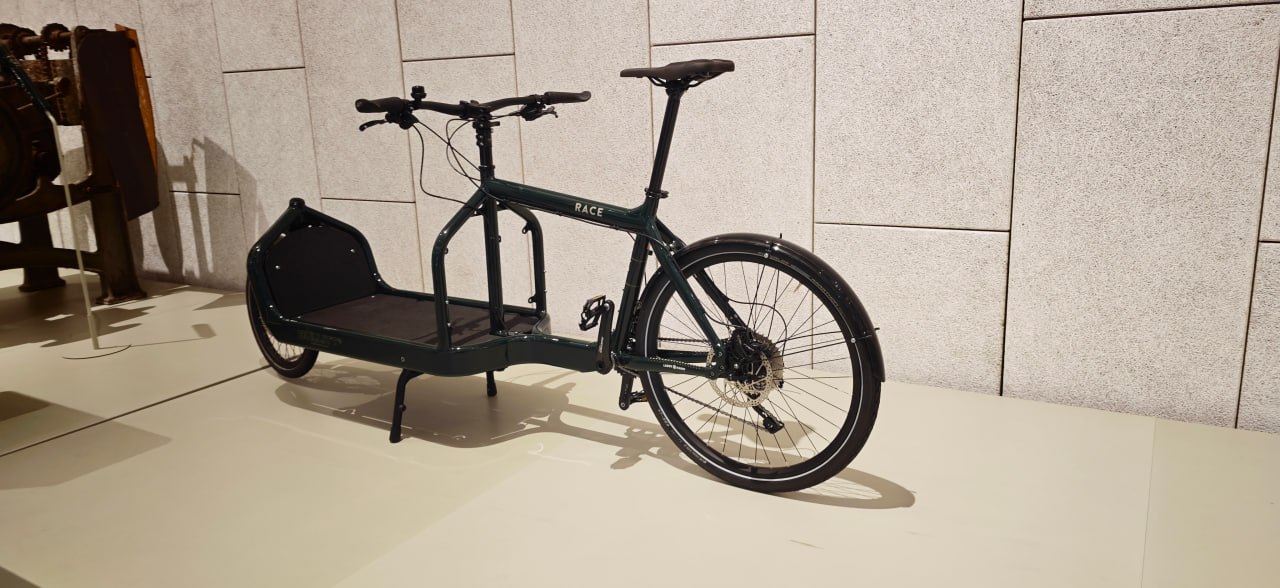
Interestingly, the museum doesn't only feature "high-tech" vehicles. This MACE cargo bicycle represents a quiet revolution happening in European cities: replacing diesel trucks with human-plus-electric power for last-mile urban logistics. Sometimes the smartest technology isn't the most complex.
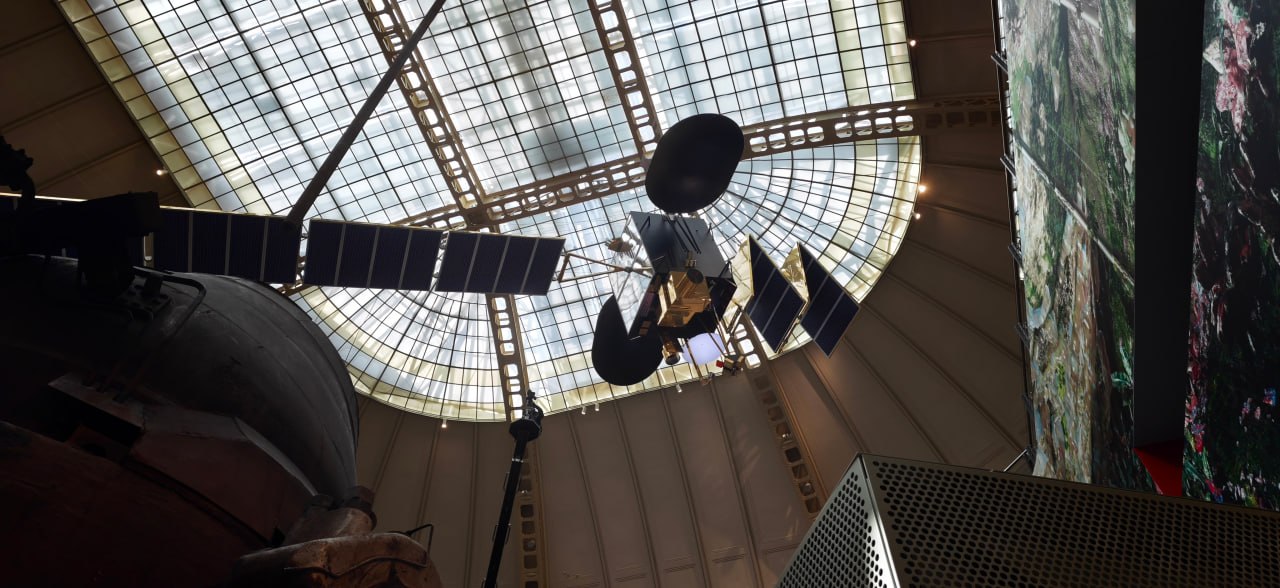
Look up at the domed hall and you'll see a satellite model hanging in mid-air. From horse-drawn carriages to automobiles to aircraft to satellites — the history of human transportation is really a history of continually overcoming gravity. Satellites don't carry people, but they make GPS navigation and satellite communications possible. In a sense, they set all of humanity in motion.
06 Everyday Technology: Vacuum Cleaners & Home Appliances
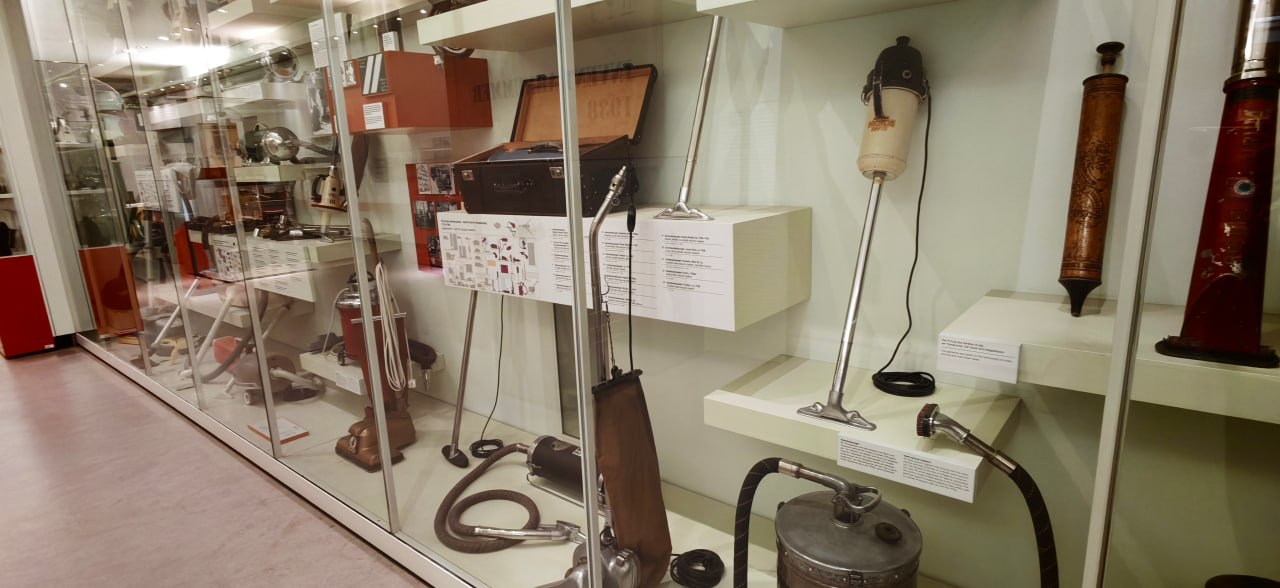
A technology museum that only showcases rockets and nuclear reactors would be telling an incomplete story. TMW wisely includes an "everyday technology" gallery, and the most fascinating piece is this wall of vacuum cleaners.
From the bulky hand-powered models of the 1900s to the Space Age streamlined designs of the 1950s, to today's cordless handheld units — the evolution of the vacuum cleaner is really a miniature history of electric motor miniaturization, battery technology advancement, and the awakening of industrial design. The most down-to-earth technology often conceals the deepest engineering.
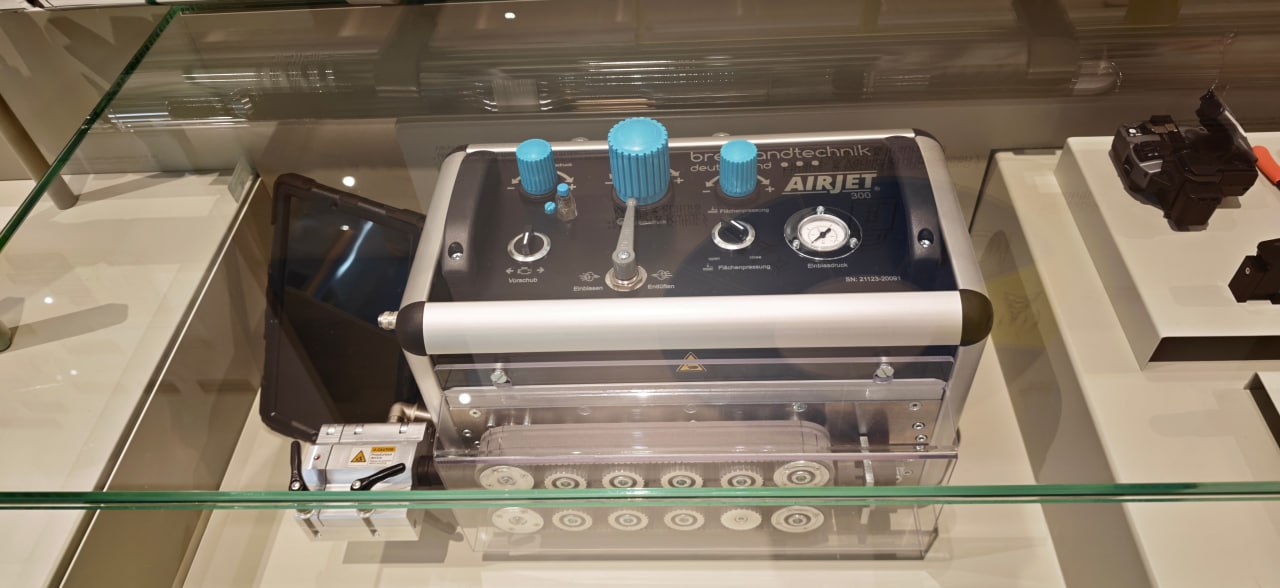
This AIRJET medical device appears in the extended everyday technology gallery, reminding us that technology's penetration into daily life now extends to the respiratory system. From vacuum cleaners to ventilators, the simple physical principle of "moving air" finds radically different applications in different contexts.
07 Industrial Giants: Blast Furnaces & Transformers
If the previous exhibits were "refined," this gallery is pure "brutal beauty."
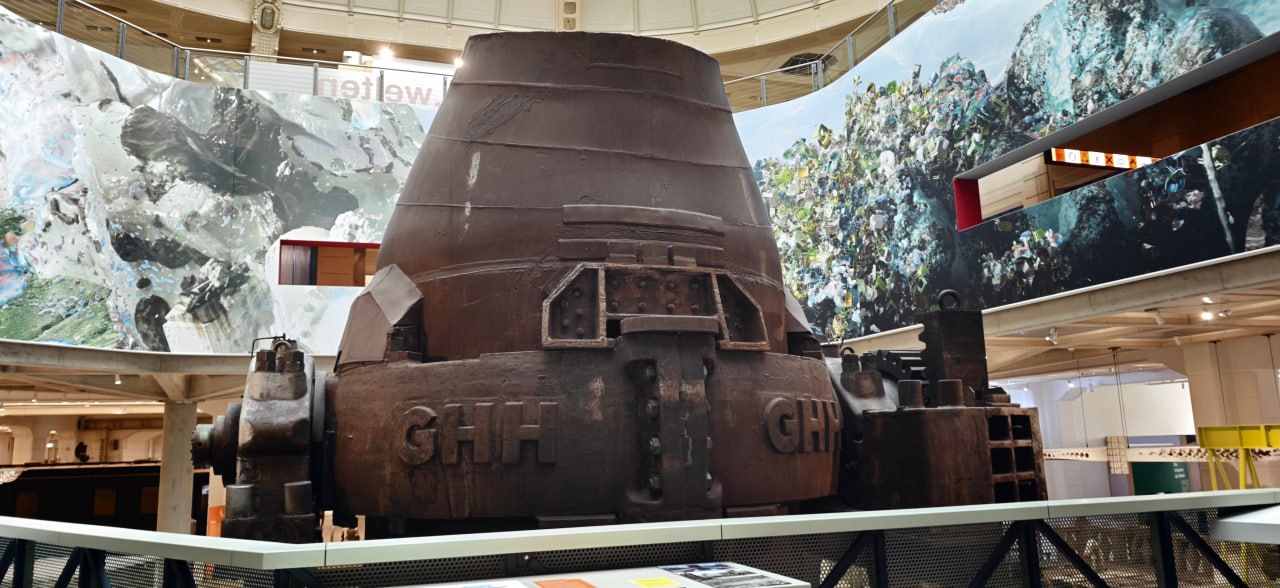
This GHH blast furnace is one of the most spectacular exhibits in the entire museum. It's so enormous you have to crane your neck to see the top. The rust patterns and scorch marks on the refractory bricks speak of the extreme temperatures it once endured. The steel industry is the foundation of all modern construction — without steel, there are no skyscrapers, no bridges, no railways.
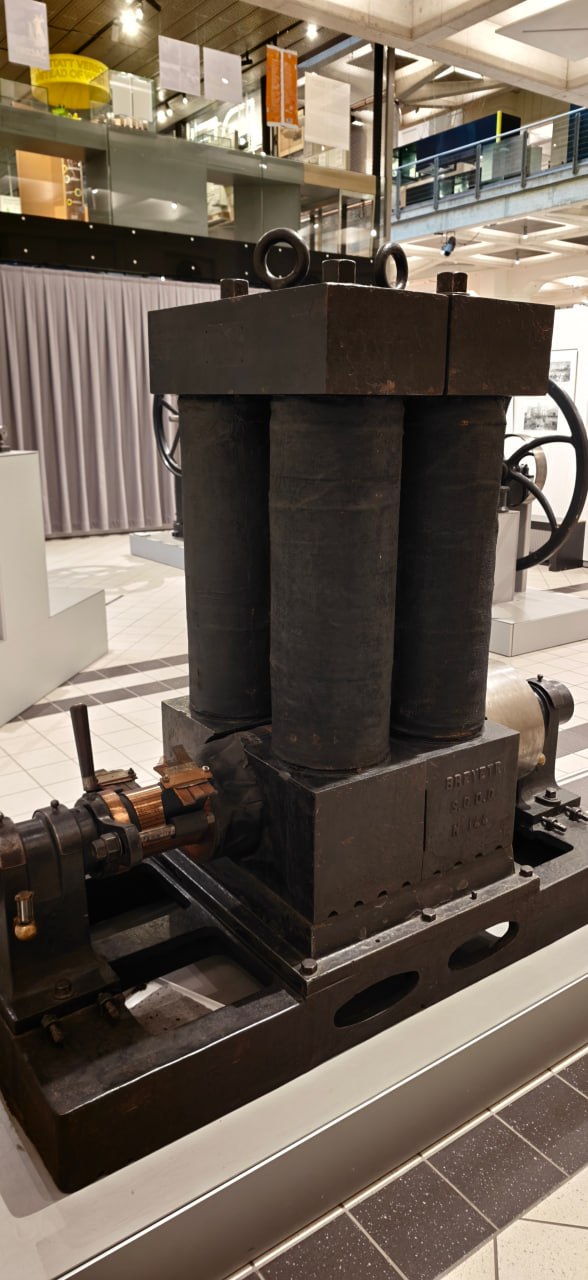
The transformer may be one of the most underrated inventions in history. Without it, electricity from power plants couldn't be transmitted at high voltage over long distances and then stepped down for household use. This giant transformer stands quietly in a corner of the hall, less eye-catching than the nuclear reactor, yet it is the key that makes the entire electrical grid work.
The exhibits in the industrial gallery share a common trait: they're all "ugly" — no streamlined design, no attractive color schemes, just rugged cast iron and heavy insulation materials. But it is precisely these unassuming giants that hold up the skeleton of modern civilization.
08 Imagining the Future: Robots & LEGO
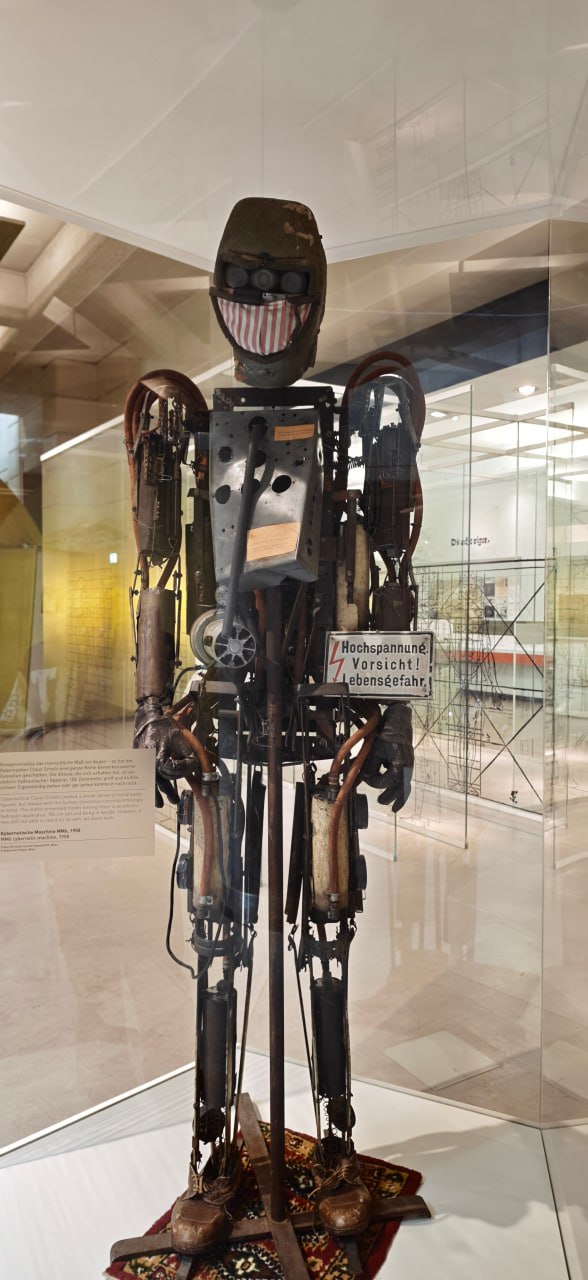
This robot sculpture was my favorite piece of art in the museum. Its entire body is assembled from tool parts — wrenches for arms, gears for joints, screws for eyes. It's not a real robot, but it represents humanity's deepest technological dream: using tools to create another living being. From the automata of ancient Greece to today's AI, this dream has never changed.
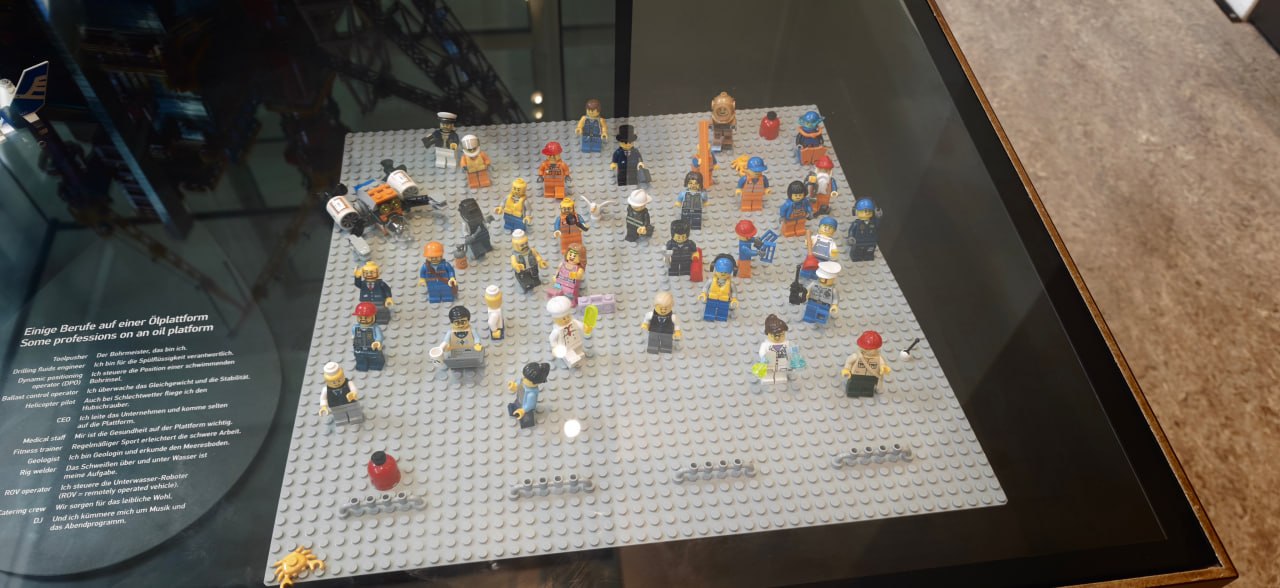
The museum uses LEGO minifigures to show the various professions on an oil platform — a clever touch that made me smile. Engineers, welders, divers, helicopter pilots — each minifigure wears a different uniform and holds different tools. In the most accessible way possible, it helps children understand how many different specialists must work together behind a complex engineering system.
This is what I admire most about TMW — it's not just a museum for engineers. Visitors of every age can find their own way in.
09 Practical Information
| Item | Details |
|---|---|
| Getting There | Take the U3 metro to Johnstraße station, then walk about 8 minutes; or take Tram 52/60 |
| Opening Hours | Mon–Fri 09:00–18:00, Sat–Sun 10:00–18:00 |
| Languages | Exhibit descriptions are in German and English |
| Photography | Photography allowed throughout (no flash) |
| Nearby Attractions | Schönbrunn Palace (15-minute walk) |
| Official Website | technischesmuseum.at |
If you're interested in the history of technology, plan to spend at least 3 hours. The museum is bigger than you'd expect — the "Power" and "Energy" galleries alone can easily take 1.5 hours. There's a café inside, so you can sit down for a Viennese Mélange when you need a break.
10 Epilogue
Walking out of the museum and looking back at that neoclassical building, I was struck by a strange sense of temporal displacement.
The exhibits inside tell you: humanity went from burning coal to splitting atoms in just 150 years, from the wired telegraph to fiber optic communications in just 100 years, from the Wright Brothers to satellites in just 60 years. Each leap is faster and more dramatic than the last.
The value of a technology museum isn't in making you marvel at "how brilliant people were back then" — it's in making you realize "how fast the future will change."
If you visit Vienna, alongside Schönbrunn Palace and the Musikverein, add the Technisches Museum Wien to your itinerary. It won't disappoint.