Hanoi's Hỏa Lò Prison
They named it "Maison Centrale" — the Central Prison.
The Vietnamese called it "Hỏa Lò" (the Furnace), because the land had once been a street of pottery kilns.
But later, the name took on another meaning — this place was a living hell.
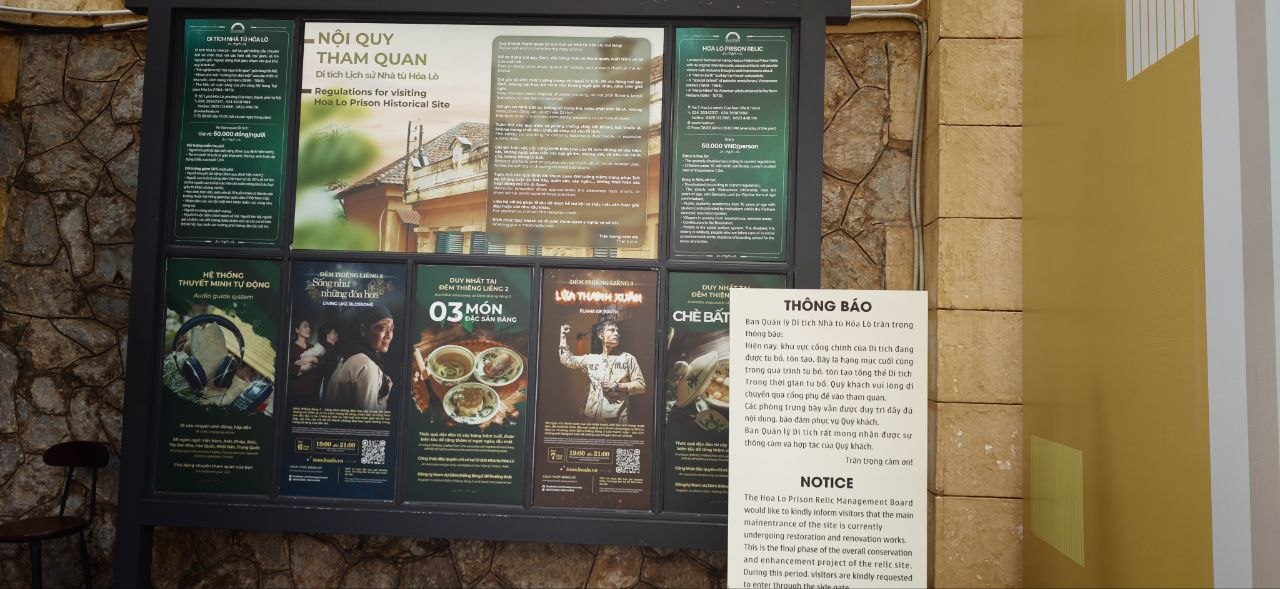
I. One Prison, Three Chapters of History
The story of Hỏa Lò Prison spans the three most pivotal periods of modern Vietnamese history. To understand everything you see here, you need to know these three chapters first:
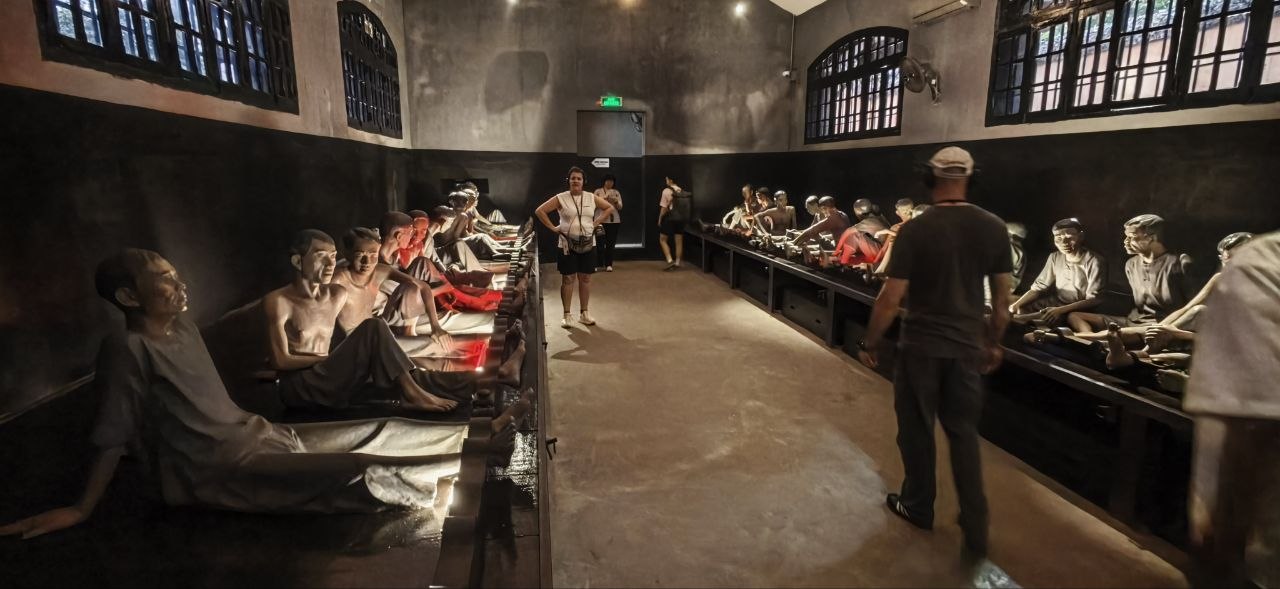
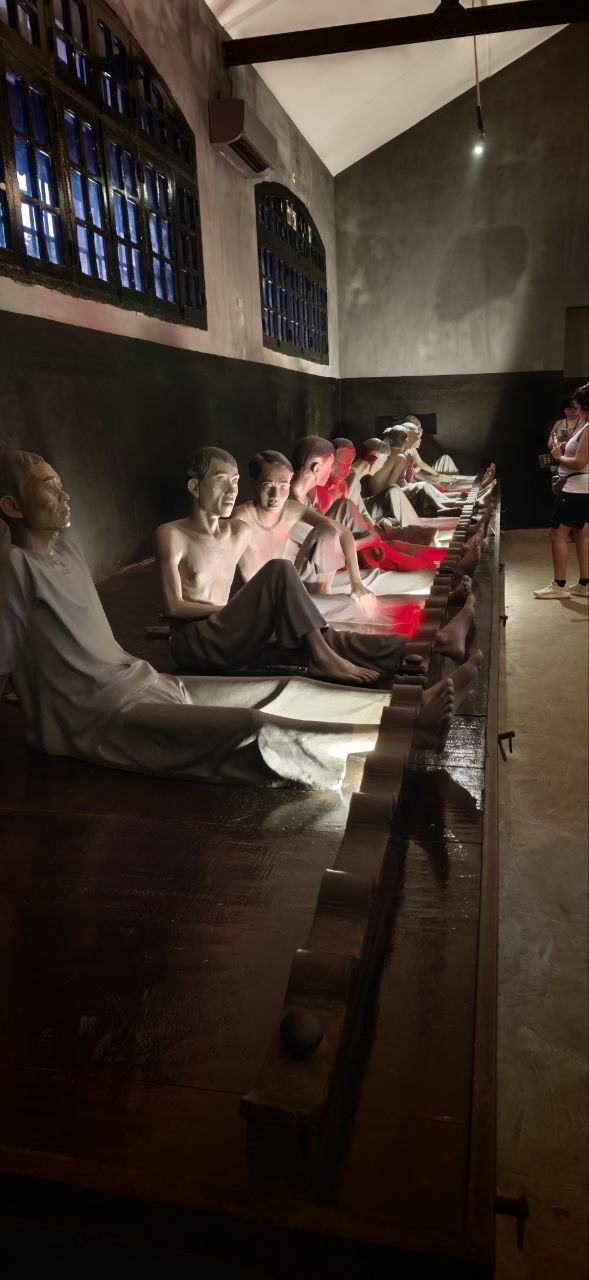
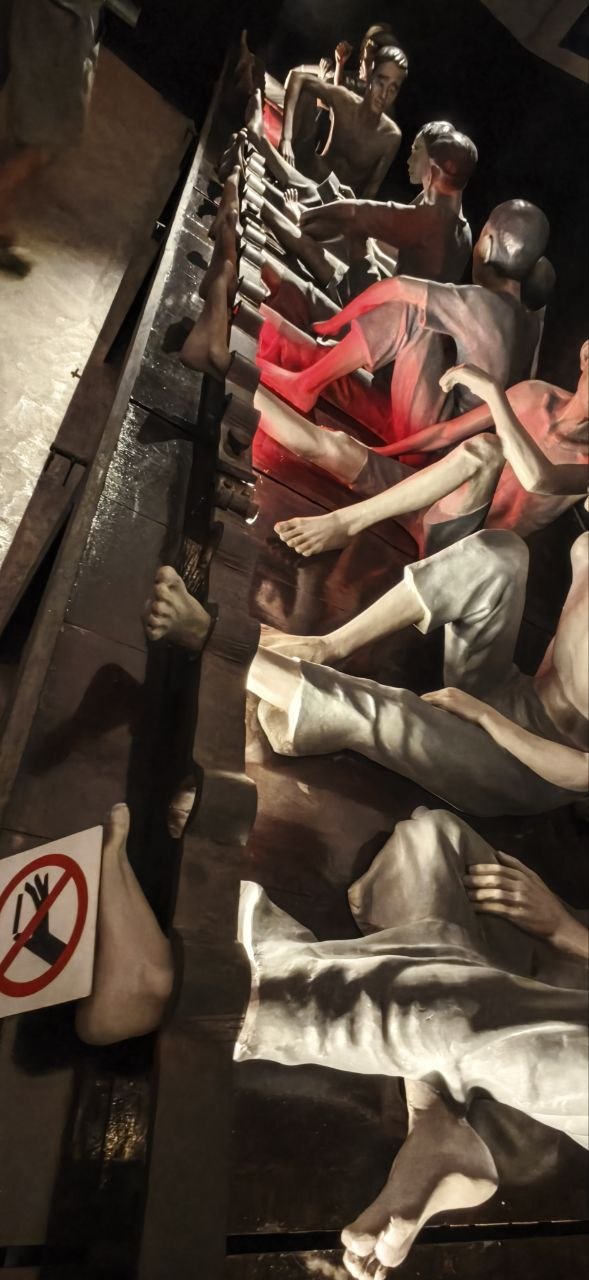
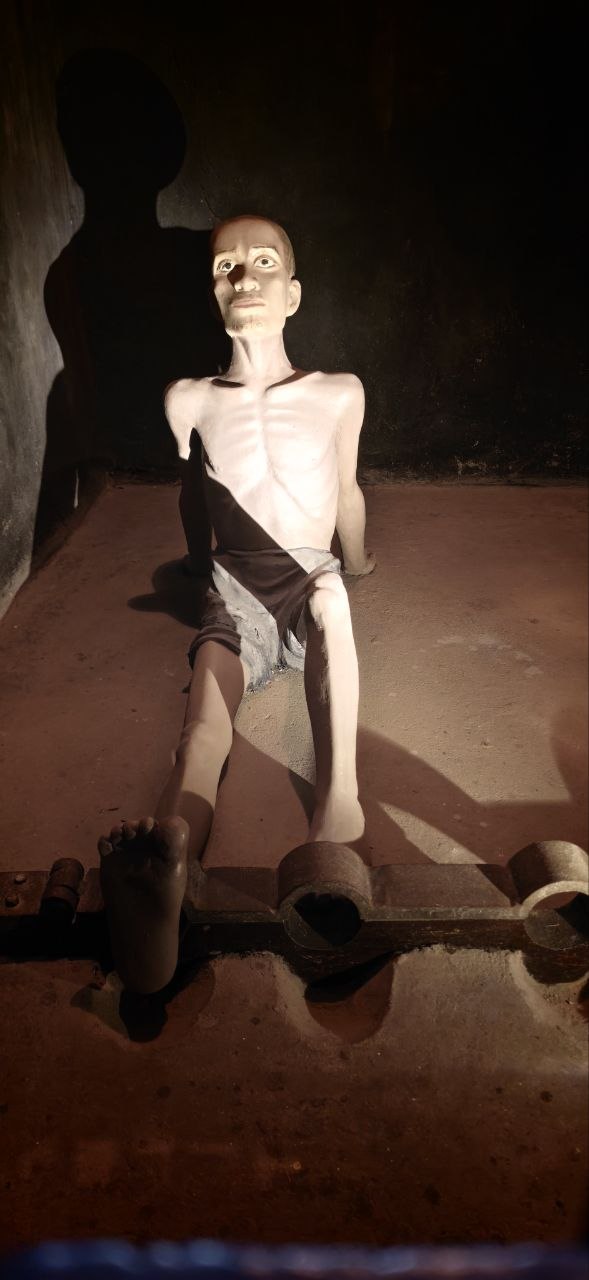
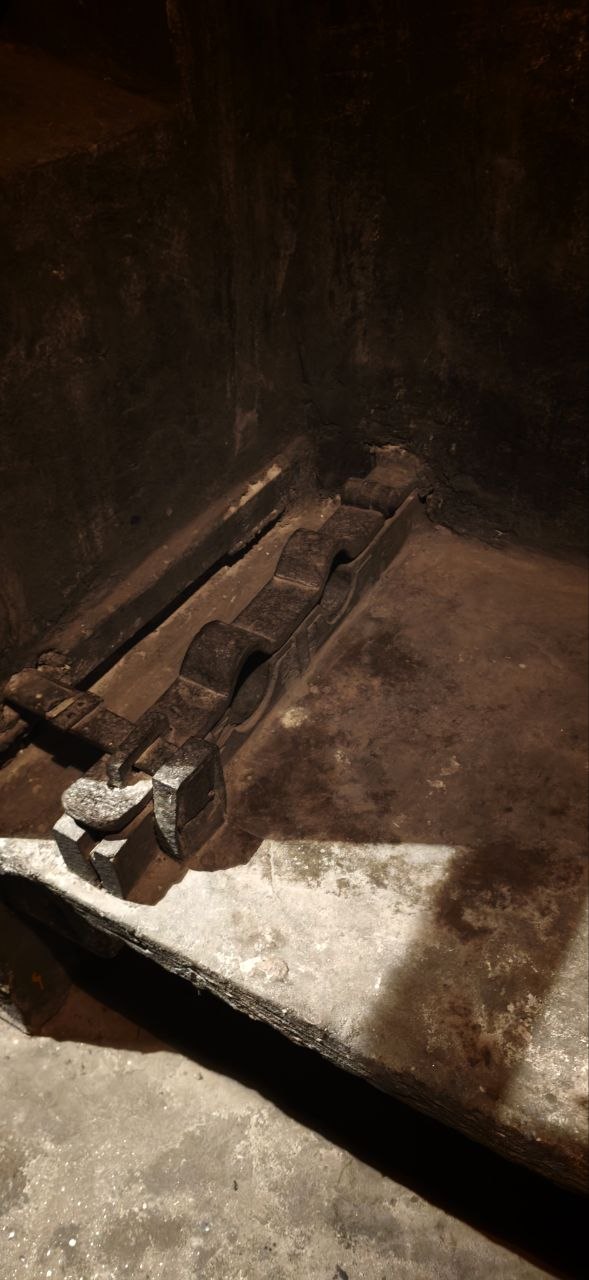
The French colonial government built Maison Centrale with a designed capacity of about 500 inmates, intended to hold Vietnamese political prisoners and common criminals. The actual number of prisoners consistently exceeded 2,000. Inmates were shackled by the ankles to long wooden boards, crammed into cells with no ventilation. Disease, torture, and executions were daily occurrences.
After the French left, the North Vietnamese government converted Hỏa Lò into a facility for holding American prisoners of war. Downed American pilots were brought here, most famously John McCain, who later became a U.S. Senator. American POWs sarcastically dubbed it the "Hanoi Hilton."
In 1993, most of the prison buildings were demolished to make way for commercial development. Only a small section in the southeast corner was preserved and converted into a museum. Today it is one of the most visited historical sites in Hanoi.
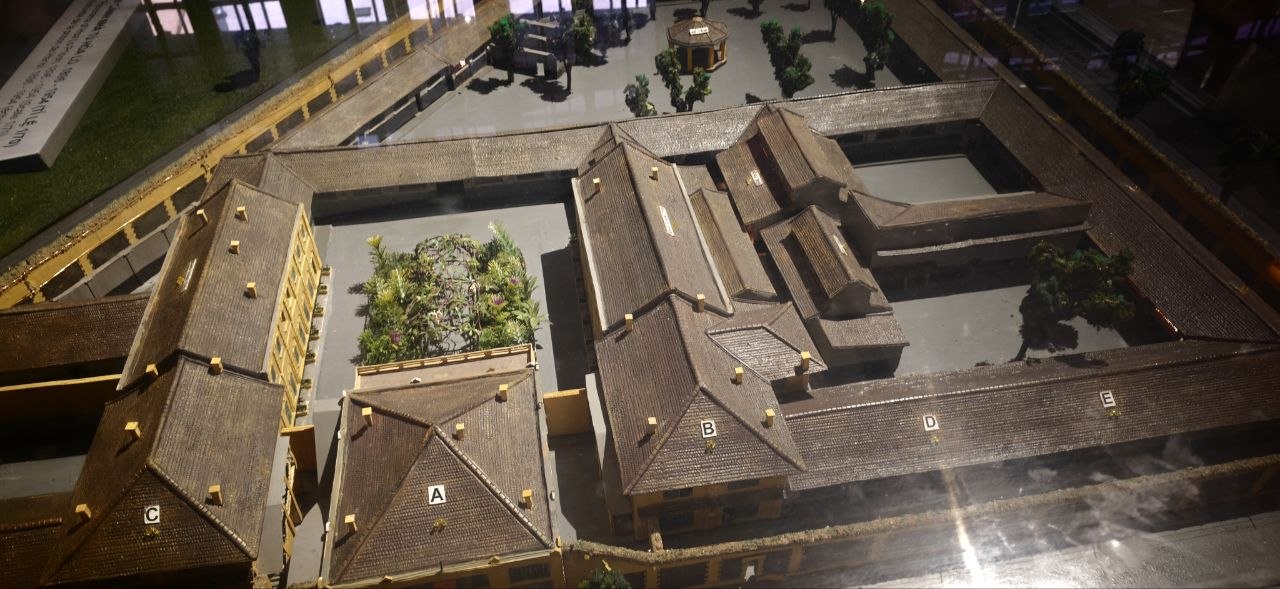
II. The French "Maison Centrale"
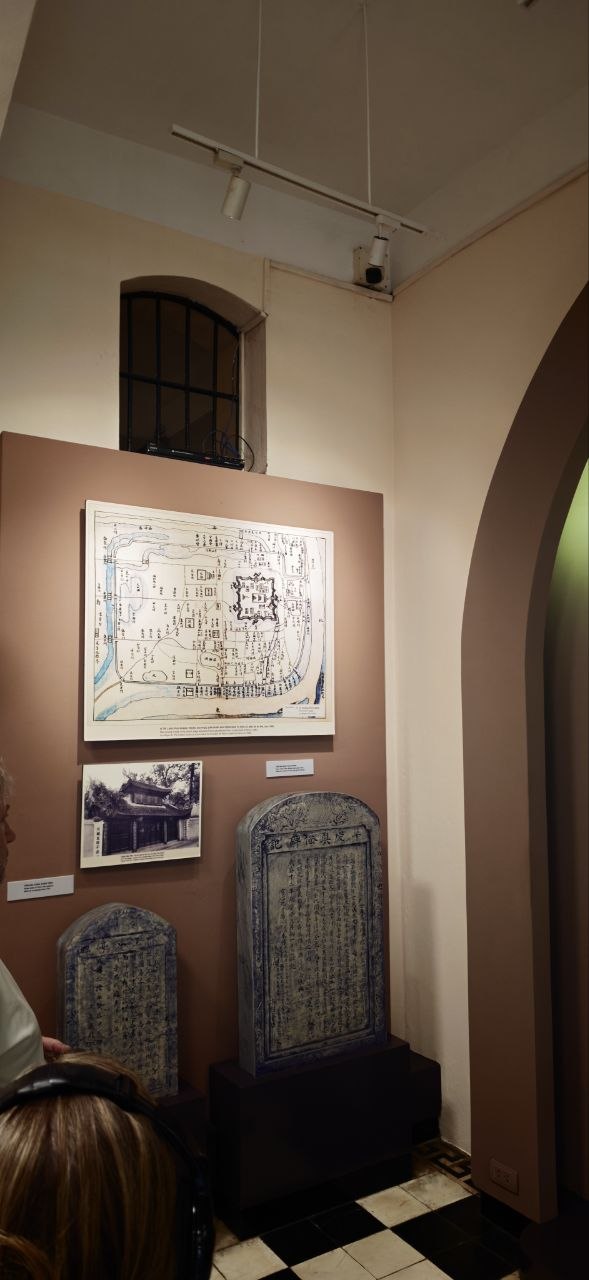
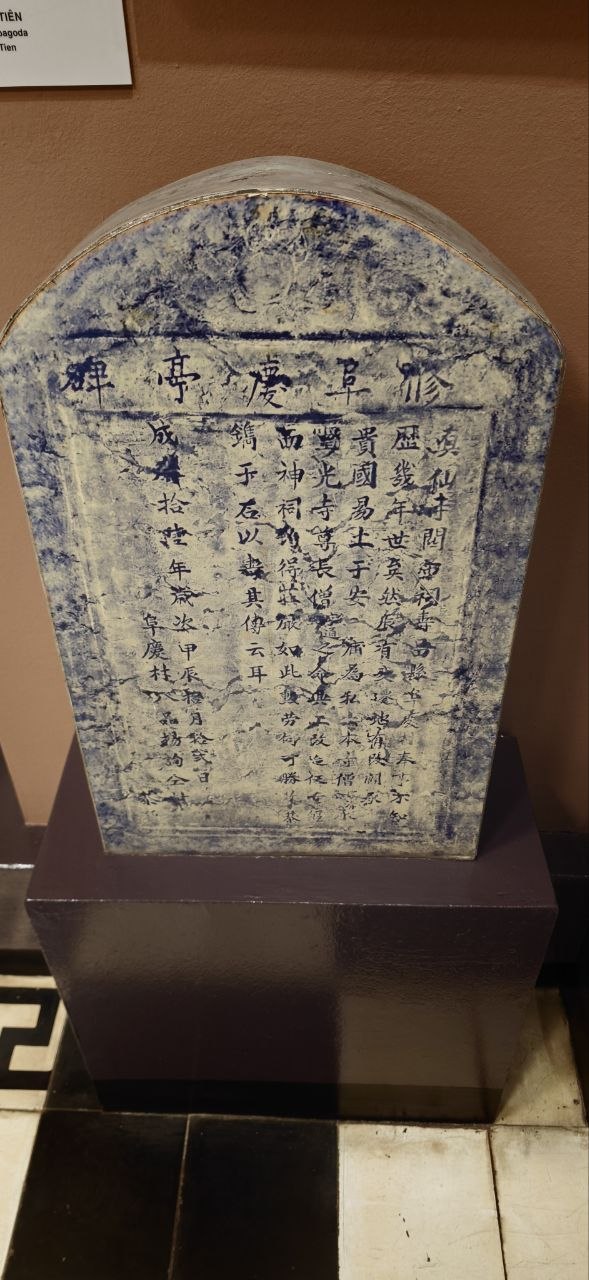
The first exhibition hall greets you with two ancient stone steles inscribed with Chinese characters and a Qing-dynasty-style city map. Before it became a prison, this was part of Hanoi's old city — Phố Hỏa Lò, a street famous for its pottery kilns.
In 1896, the French colonial government tore down the kilns and homes, and built this formidable prison in their place. High walls, iron gates, barbed wire — every detail designed to ensure no one inside would ever get out.
Shackles and Wooden Boards
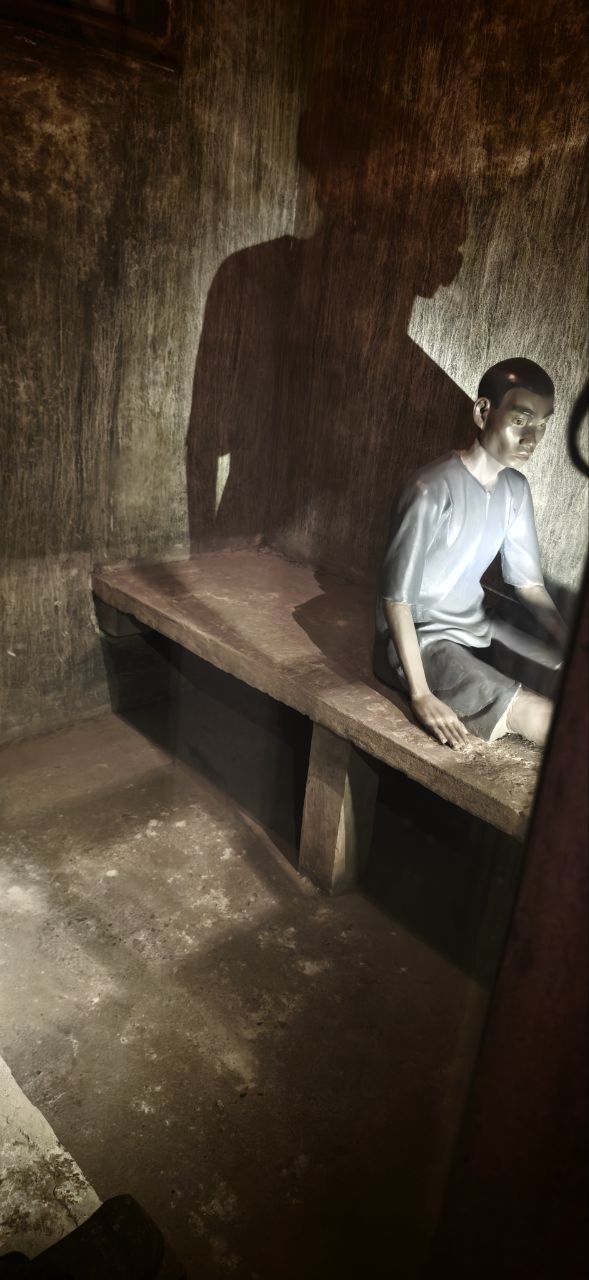
The most harrowing exhibit is the life-size wax figures in the cells. Dozens of prisoners sit side by side on long wooden boards, their ankles locked into iron shackles fixed to a crossbar. They cannot stand, cannot turn, cannot move — forced to hold the same position, day after day.
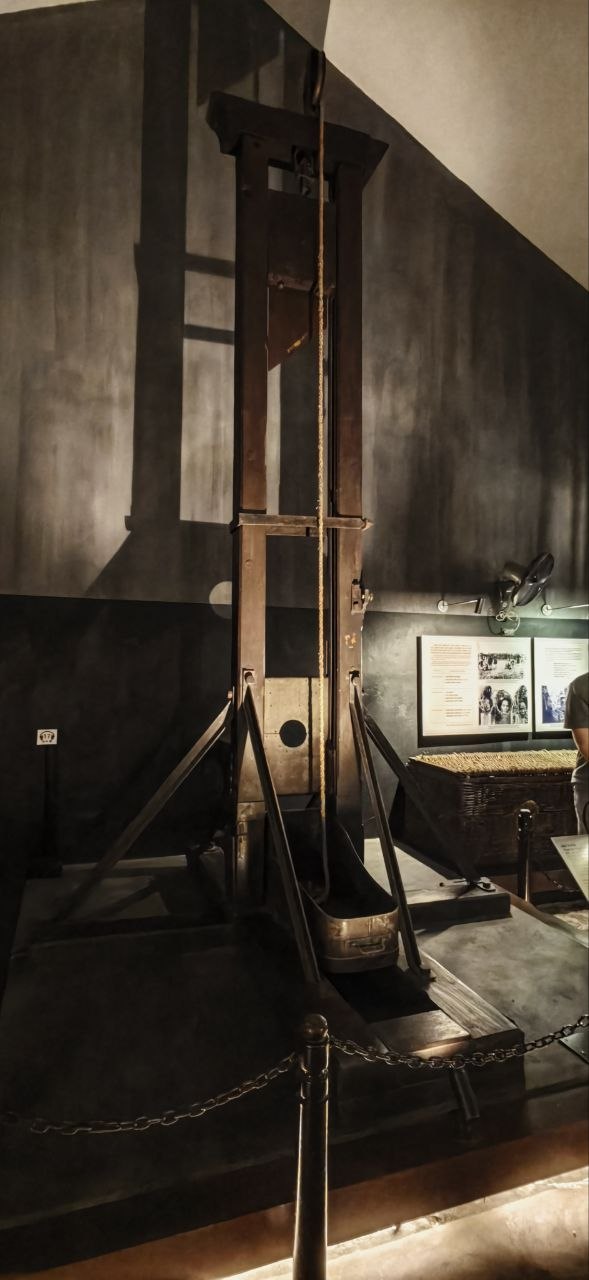
The Guillotine
Deep in the exhibition hall, an actual guillotine stands silently in a dim corner. This is not a replica — it is a real execution device used by the French colonial government. Countless Vietnamese revolutionaries lost their lives beneath this blade within these prison walls.
III. The Lightless Solitary Cells
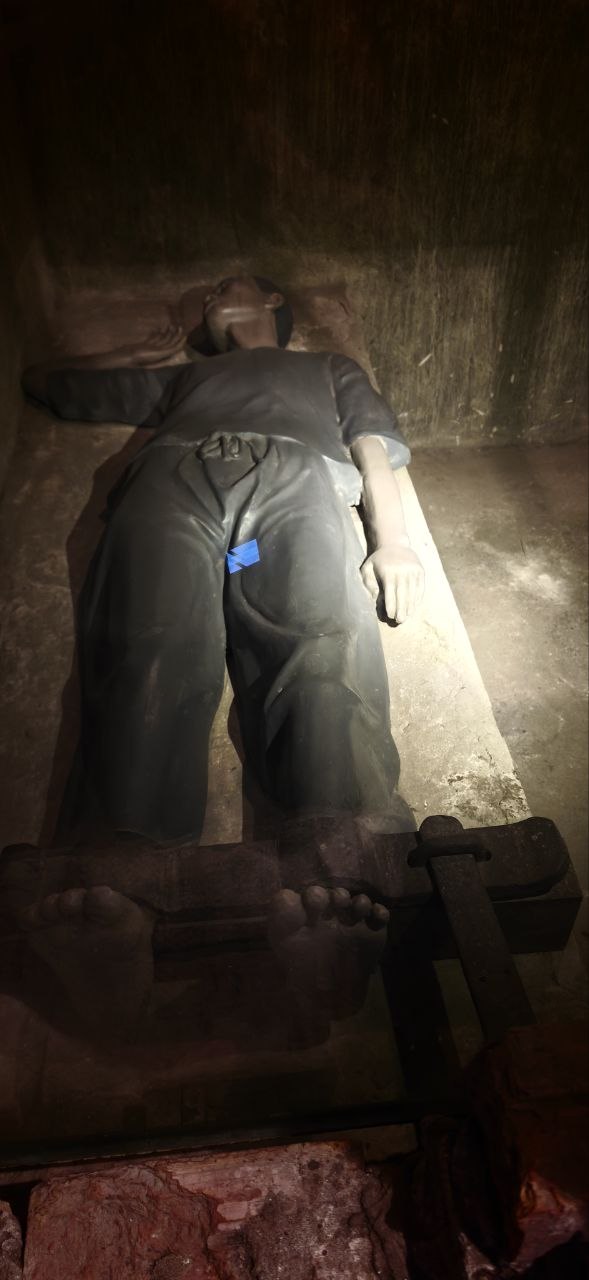
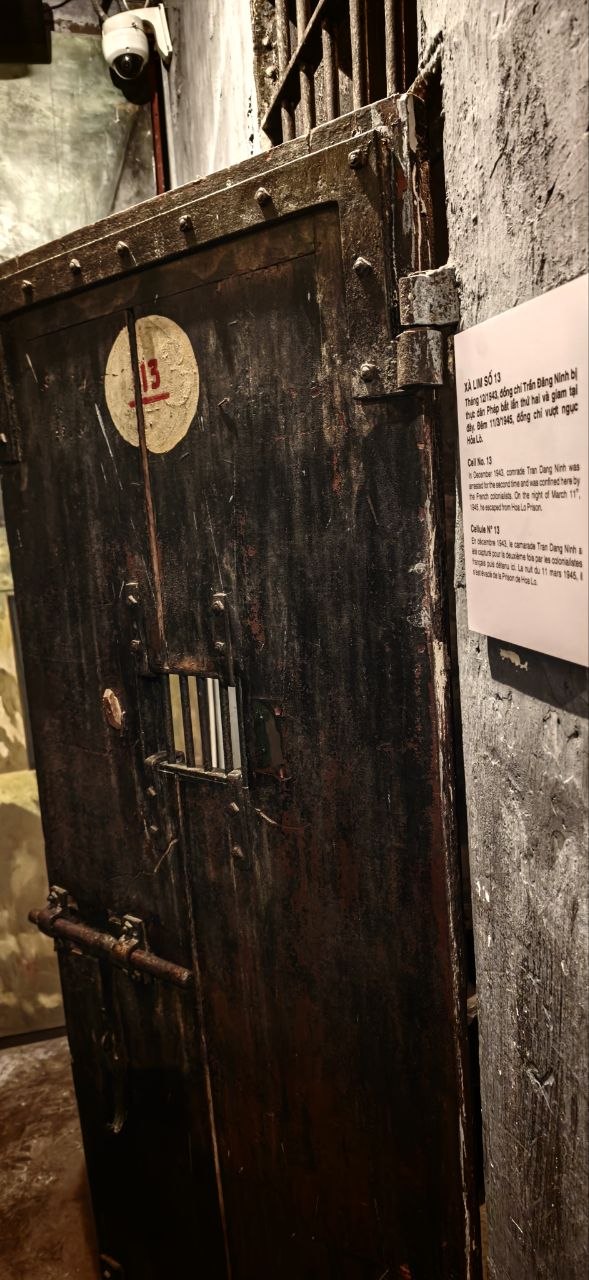
More terrifying than the communal cells were the solitary confinement cells (cachot). These cramped spaces were barely large enough for one person to lie down, with no windows and no light. Prisoners were locked inside alone, shackles fixed in place, completely cut off from the outside world.
IV. From Prisoners to Revolutionaries
The French colonists threw Vietnamese people into Hỏa Lò Prison, hoping to crush their will to resist. But the result was exactly the opposite — the prison became a cradle of revolution. Political prisoners confined together learned from each other, organized networks, and turned their cells into revolutionary schools.
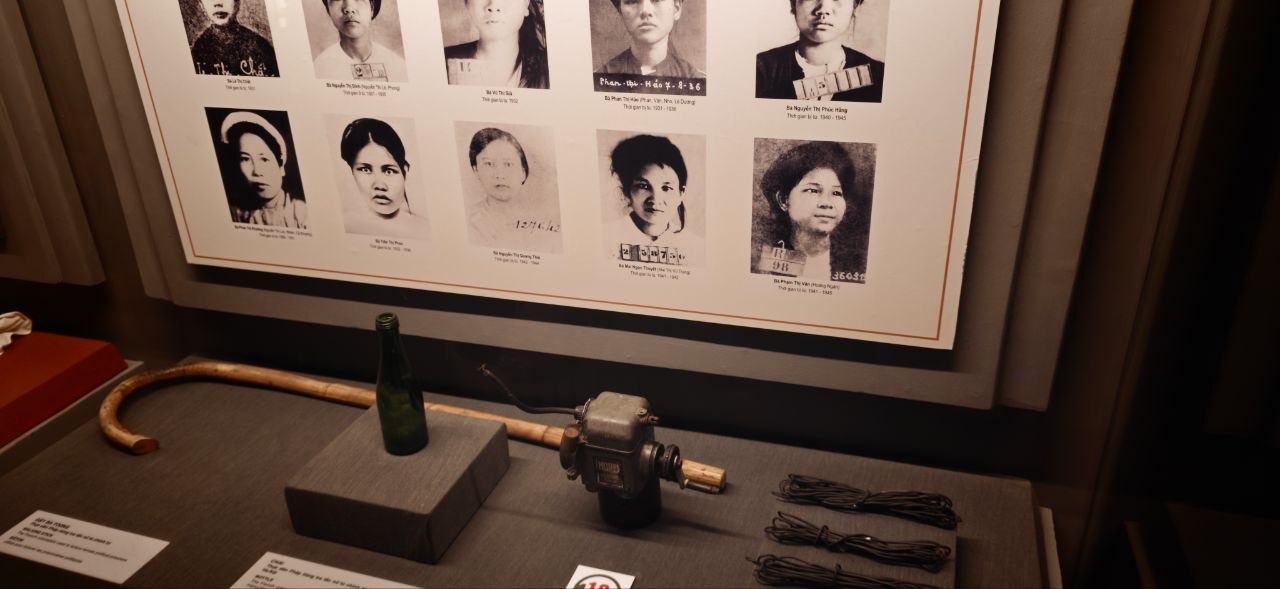
One wall in the exhibition hall displays archival photos of female revolutionaries who were imprisoned here. Their gazes are steady and calm, showing no trace of fear. The instruments of torture displayed nearby — canes, ropes, electric shock devices — reveal what they endured.
The history of Hỏa Lò Prison reveals a paradox: the more extreme the oppression, the more resolute the resistance. By concentrating the most dangerous political prisoners in one place, the French colonists inadvertently helped them build organizational networks. Many of the leaders who later drove Vietnam's independence movement forged their convictions within these walls.
V. Kiên Cường Bất Khuất — Steadfast and Unyielding
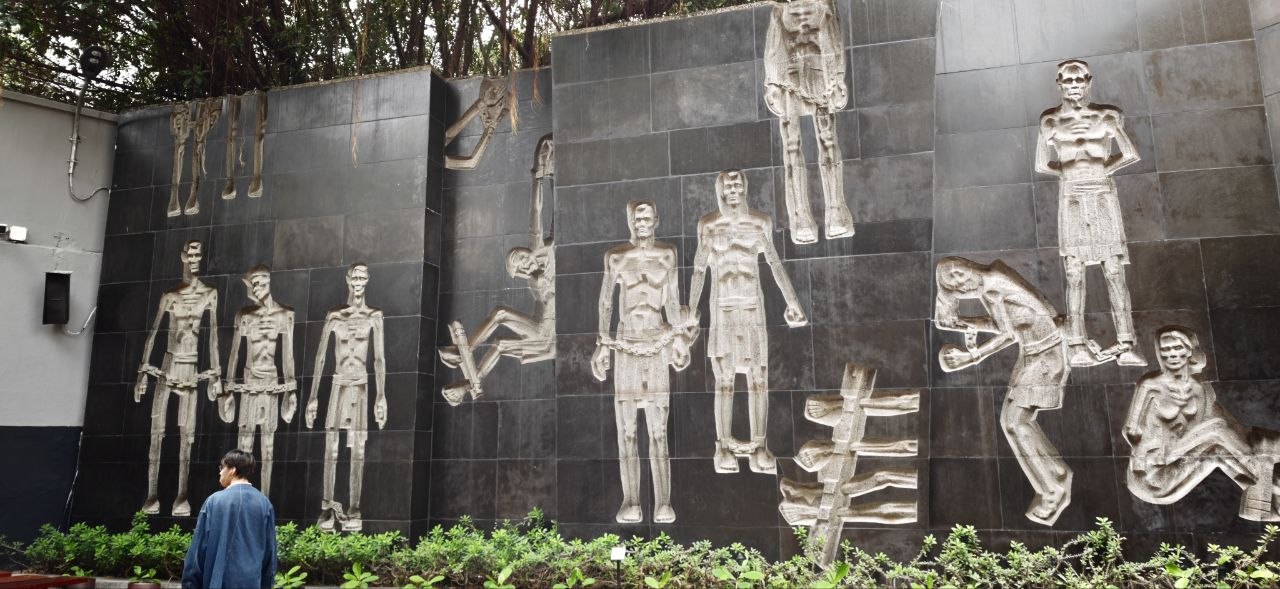
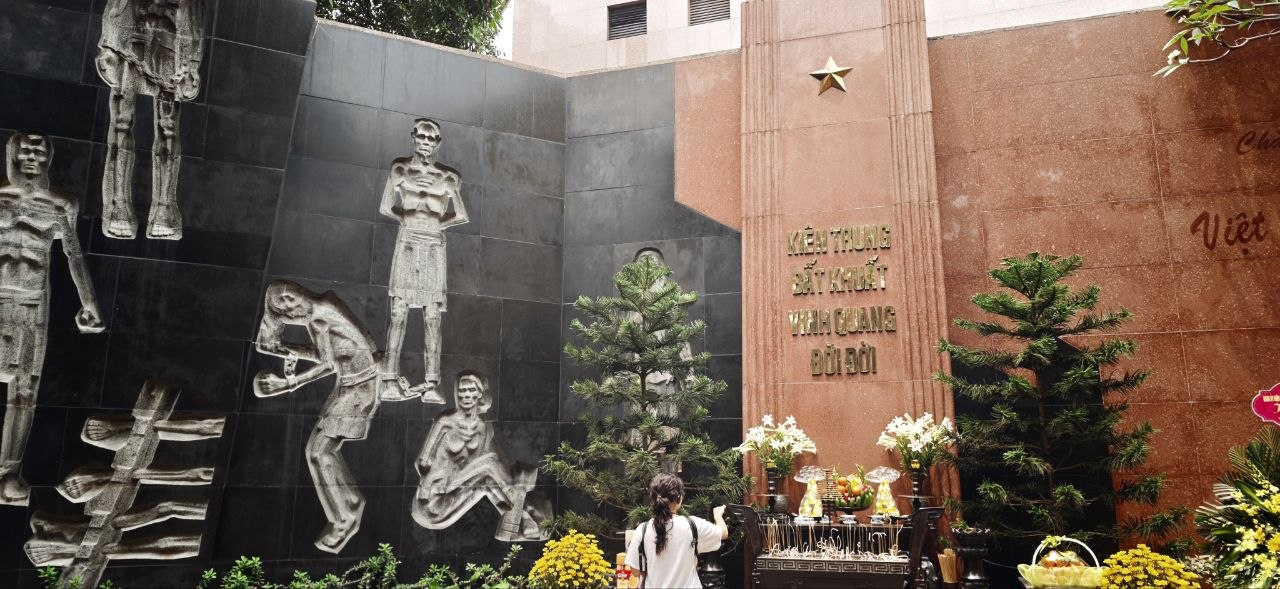
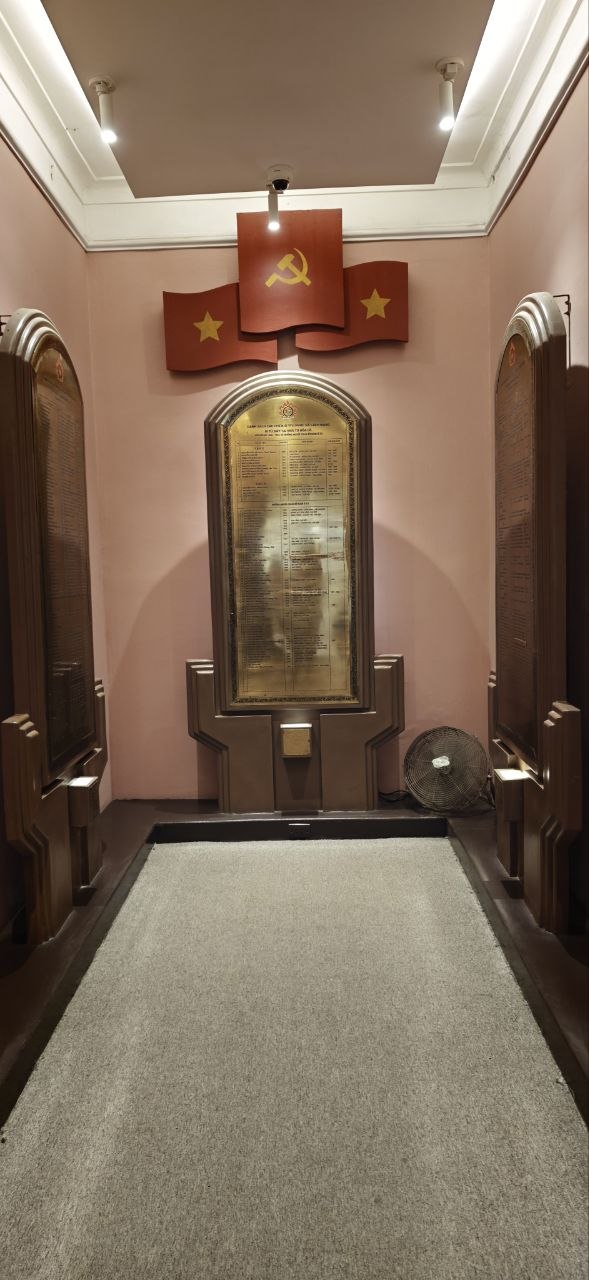
Stepping out of the indoor exhibition halls, you reach the outdoor memorial courtyard. On a massive relief wall, silver human figures emerge from black stone slabs — some raising fists, some running with shackles, some holding children. On the wall are four characters: "Kiên Cường Bất Khuất" — Steadfast and Unyielding.
Epilogue
When you leave Hỏa Lò Prison, you step into Hanoi's most bustling commercial district. Skyscrapers, coffee shops, the blare of motorbike horns — the din of modern life stands in stark contrast to the dark chambers just a few steps behind you.
This prison preserves only a fraction of the original complex. Most of it was demolished in the 1990s to make way for the Hanoi Towers luxury apartments and shopping center. In a way, this too is a metaphor for history — we are always caught between forgetting and remembering.
But those who have walked through it will not forget. The weight of the shackles, the hollow eyes of the wax figures, that real guillotine — they stay with you for a long time.
Some places, you don't visit for pleasure.
You visit to remember.
To remember what human beings are capable of doing to one another,
and what human beings are capable of enduring.