日本語中文

Autumn 2025 → Early Spring 2026 Tasting Log — 11 Bottles, One Cross-Season Drinking Map

Period: 2025-10-28 → 2026-02-13
11 bottles — 8 Japanese sake (Iki Island, Hiroshima, Iwate, Yamanashi, Tottori, Niigata, Fukuoka, Chiba) + 3 New-World reds (California, Chile, Australia)

Co-written with AI for brewery background research, regional fact-checking, and structural editing.

Across four months, this set covered nearly a full year of sake seasonal rituals — aki-agari, hiya-oroshi, kijoshu, yamahai aged sake, junmai ginjo, junmai daiginjo — moving from Iki Island in Kyushu up to Hiroshima, Iwate, Yamanashi, and Tottori. Eight bottles trace a north-south spine of Japan. Three New-World reds (California Silver Oak, Chilean Rocas de Seña, Australian Lindeman's) sit on the side as guests, making the cross-season map a two-line narrative: sake as backbone, wine as guest.
Note: Reference prices are typical Taiwan retail ranges; actual prices vary by importer and channel.
№ 01 / SAKE

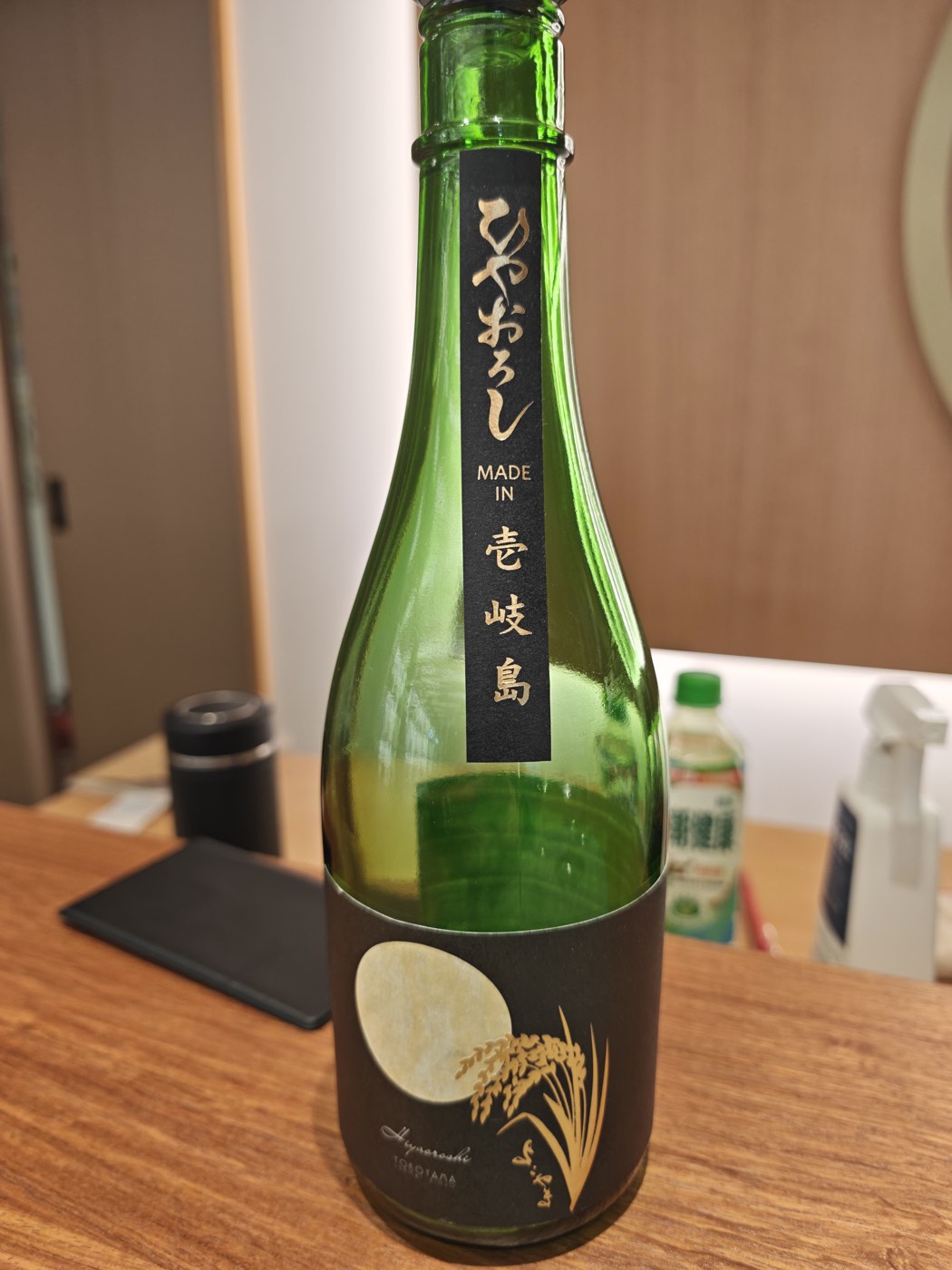
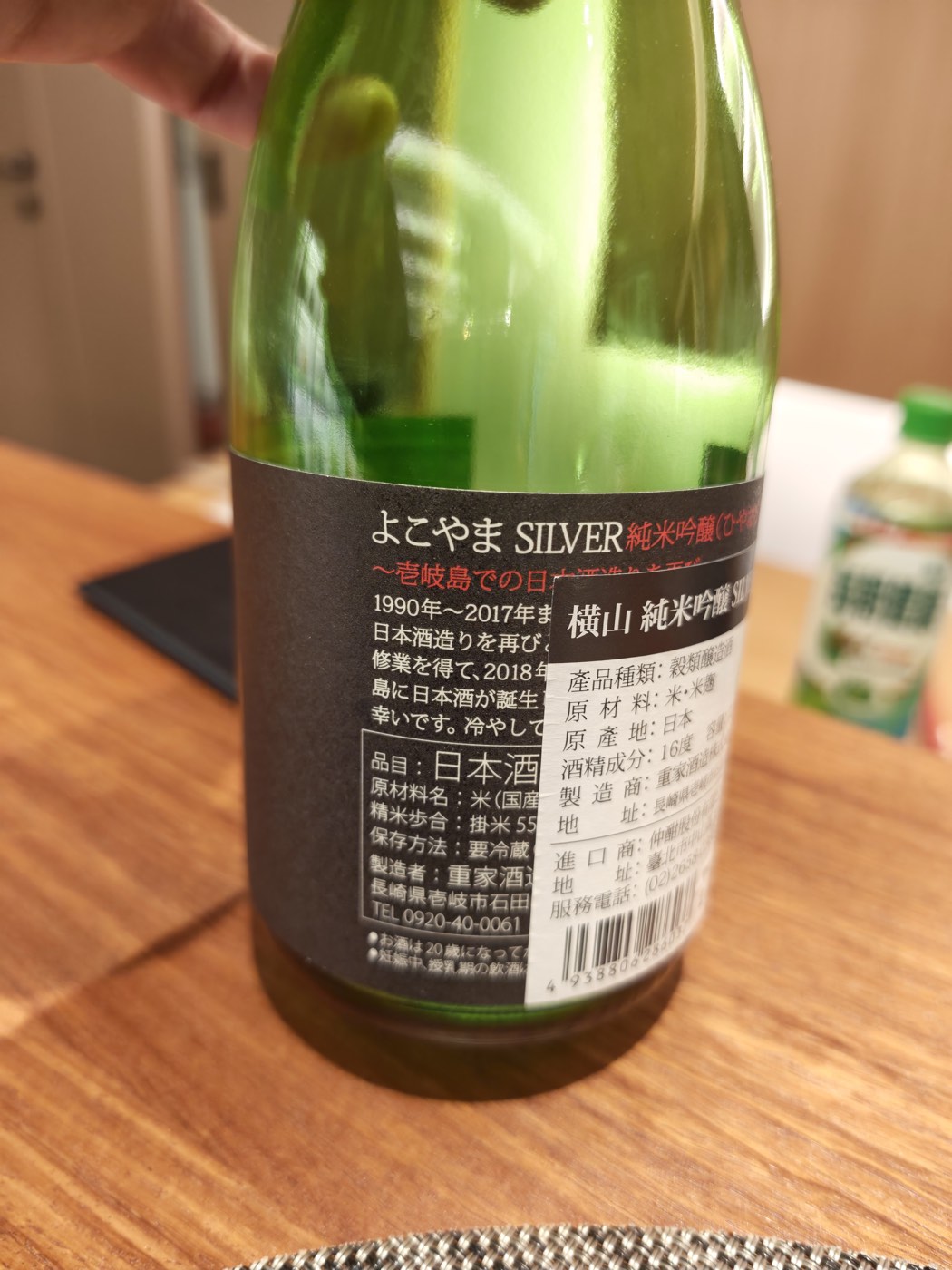
Yokoyama SILVER Hiya-Oroshi Junmai Ginjo

よこやま SILVER ひやおろし / Omoya Shuzo, Iki Island, Nagasaki
SakeJunmai GinjoHiya-Oroshi
Yokoyama SILVER Hiya-Oroshi front Yokoyama SILVER Hiya-Oroshi back
Tasted
2025-10-28
Region
Iki Island, Nagasaki
Brewery
Omoya Shuzo (重家酒造)
Type
Junmai Ginjo — Hiya-Oroshi
ABV
16%
Taiwan price
NT$ 1,400–1,700 (720ml)

Brewery / Background

Omoya Shuzo sits on Iki Island in Nagasaki, off the western coast of Kyushu — better known as the birthplace of Japanese barley shochu (mugi shochu). Founded in 1924, the brewery revived its sake division in 2018 after a 28-year pause; the "Yokoyama" series is the flagship of that revival. SILVER is the year-round line: 55% rice polish, Yamada-Nishiki rice, Iki groundwater.

Hiya-oroshi is sake's autumn ritual: brewed in winter, given one pasteurization in spring, rested through summer, then released cold in autumn without a second pasteurization. The bottle keeps more enzymatic life, yielding rounder texture and deeper rice fragrance than the standard release.

The mineral-driven Iki water plus hiya-oroshi roundness made this the perfect "autumn-is-here" pour for October.
№ 02 / SAKE

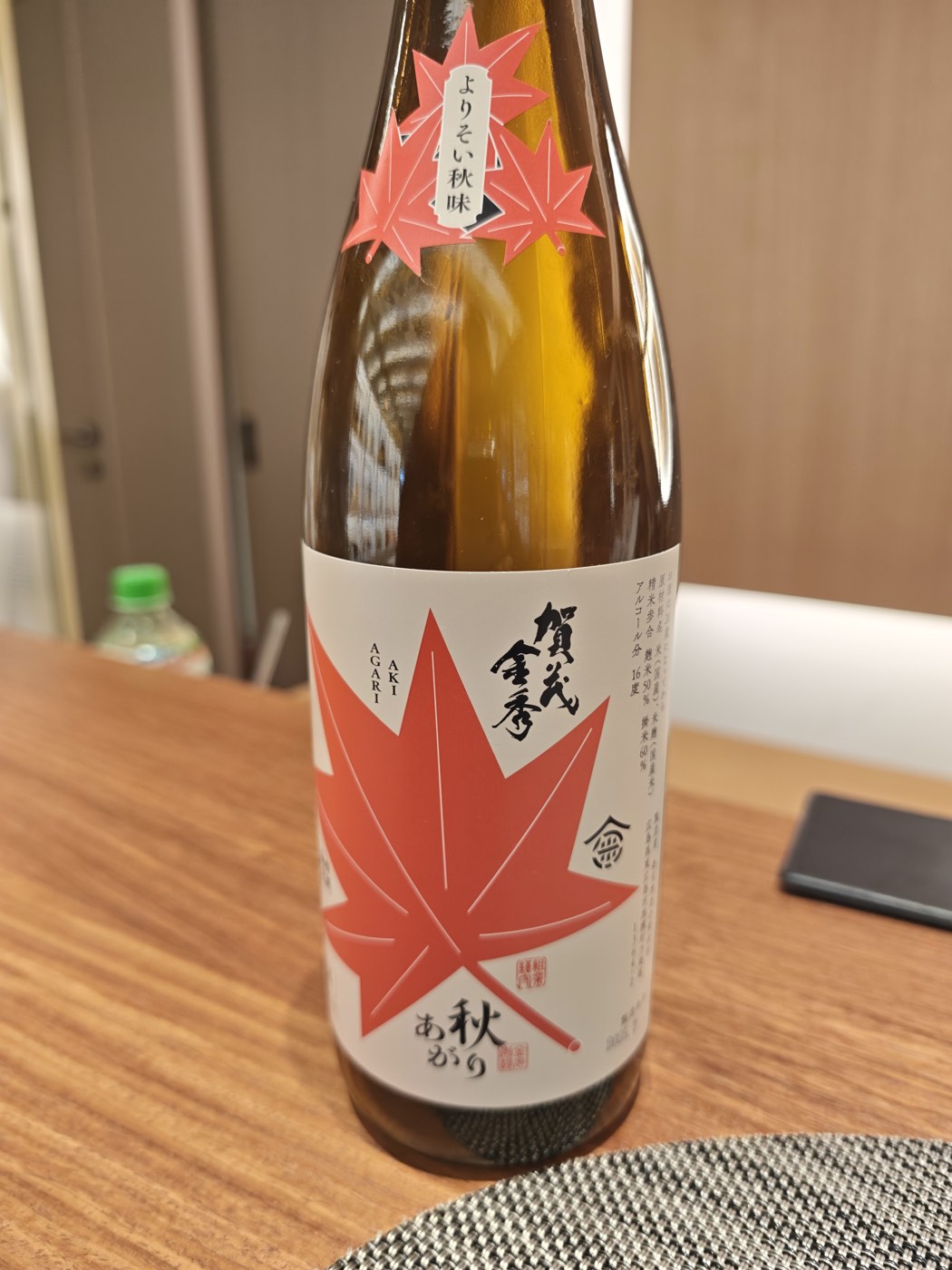
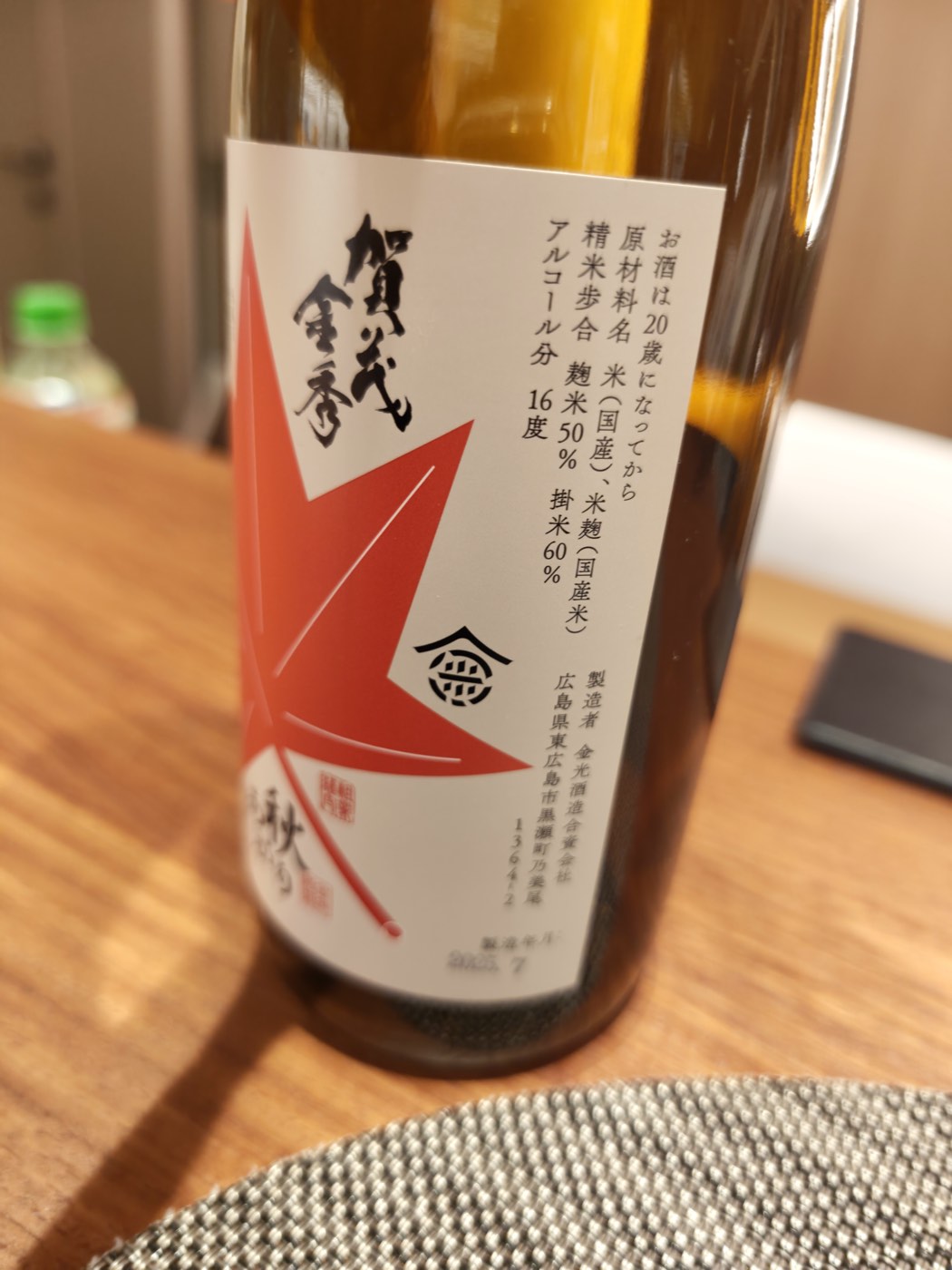
Kamokin Aki-Agari Junmai

賀茂金秀 秋あがり / Kanemitsu Shuzo, Hiroshima
SakeJunmaiAki-Agari
Kamokin Aki-Agari full label Kamokin Aki-Agari close-up
Tasted
2025-10-28
Region
Higashi-Hiroshima, Kurose-cho
Brewery
Kanemitsu Shuzo (金光酒造)
Type
Junmai — Aki-Agari
Rice polish
Koji 50% / Kake 60%
ABV
16%
Taiwan price
NT$ 1,300–1,600 (720ml)

Brewery / Background

Kanemitsu Shuzo, founded in 1880, sits in Kurose-cho, Higashi-Hiroshima. In 2002, fourth-generation president Hideki Kanemitsu launched the Kamokin (賀茂金秀) brand to reinterpret Hiroshima sake with a younger sensibility. It has since become one of Hiroshima's defining modern labels, repeatedly earning Gold at the National New Sake Competition.

Aki-agari is closely related to hiya-oroshi: both are summer-aged, autumn-released. The distinction is one of emphasis — aki-agari foregrounds the flavor change (the rice "rises up" during aging), while hiya-oroshi describes the technique (skipping the second pasteurization). In practice the terms overlap, but aki-agari bottles tend toward rounder body and more pronounced ripe-fruit character.

The maple-leaf seasonal label makes Kamokin Aki-Agari one of the easiest entry points into Japanese autumn sake.

Source: kamokin.com
№ 03 / SAKE

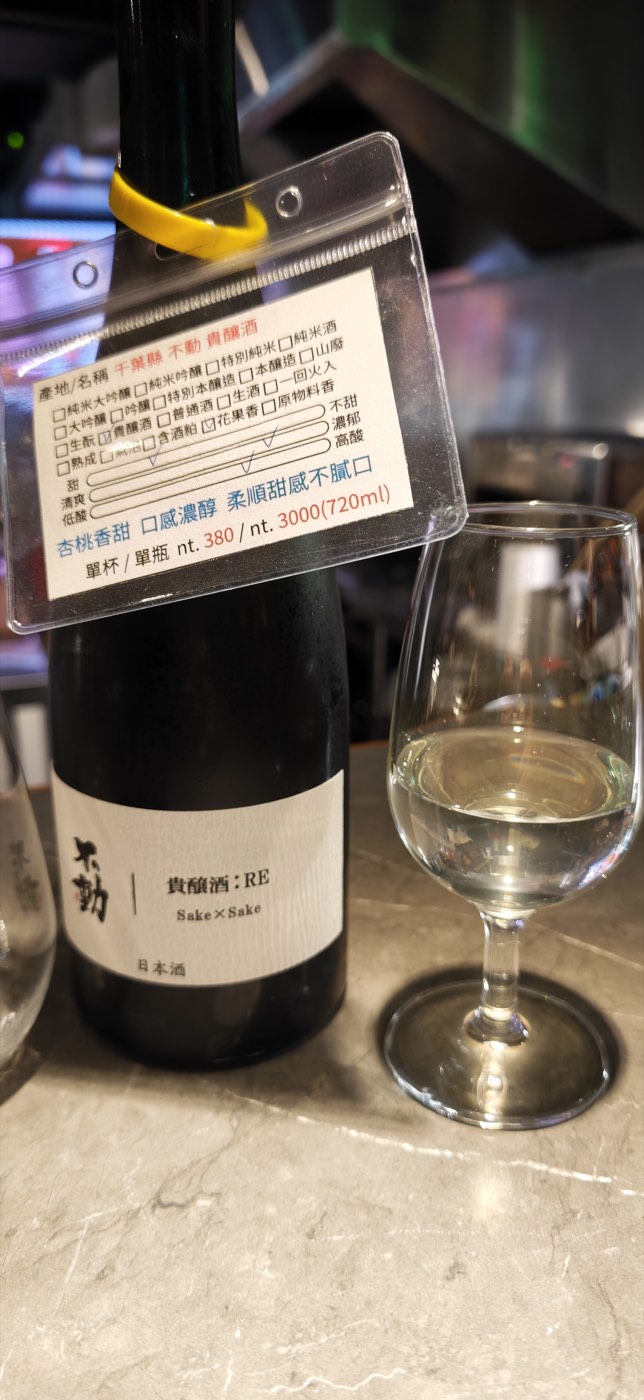
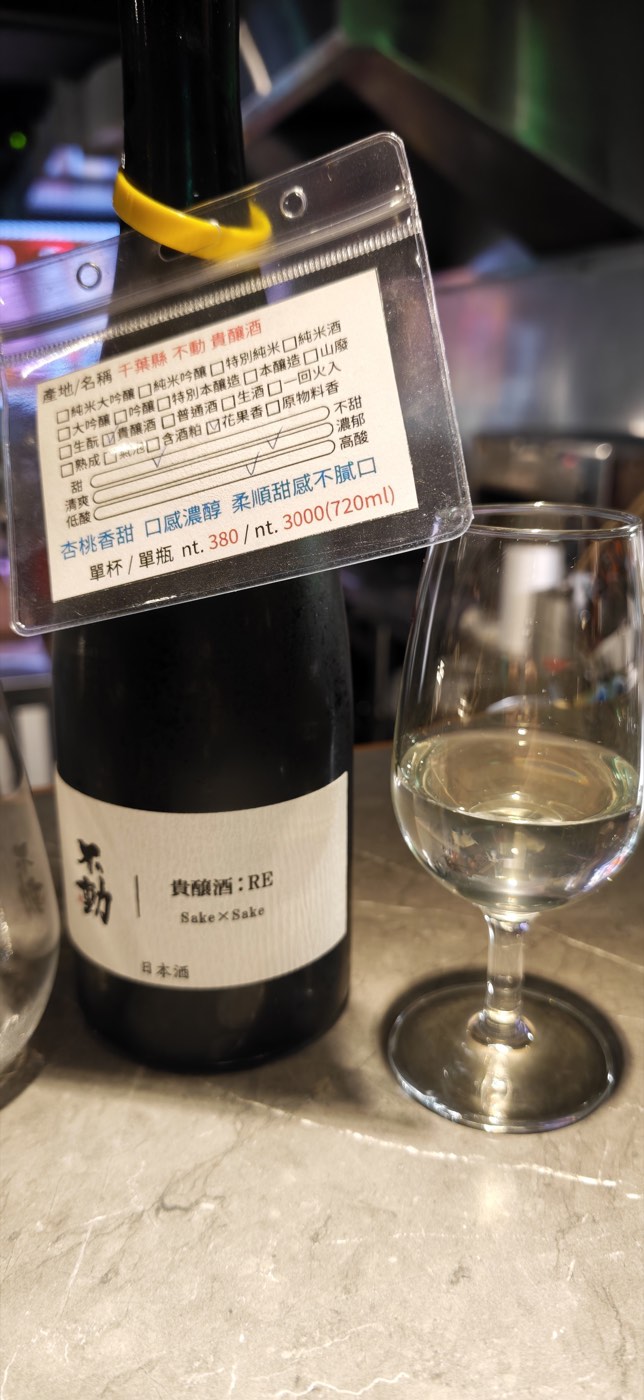
Fudo Kijoshu RE (Sake × Sake)

不動 貴釀酒 RE / Nabedana Brewery, Chiba
SakeKijoshuSweet
Fudo Kijoshu RE with tasting card Fudo Kijoshu RE in glass
Tasted
2025-11-05
Region
Kanzaki-machi, Chiba
Brewery
Nabedana Brewery (鍋店)
Type
Kijoshu (Sake × Sake)
Flavor tags
Apricot · rich body · smooth sweetness without cloy
Per glass / bottle
NT$ 380 / NT$ 3,000 (720ml)

Brewery / Background

Nabedana Brewery (founded 1689) sits in Kanzaki-machi, Chiba — the soft-water riverside lowlands of the Tone River. Their flagship label is "Fudo (不動)". The Tone River shipping route made Kanzaki a major brewing hub during the Edo period.

Kijoshu is sake's most unusual style: instead of brewing water, finished sake itself is used to start a second batch. The result is ultra-high sugar, dense texture — conceptually closer to a Sauternes or noble-rot wine than to standard sake. Kijoshu was actually invented by Japan's National Tax Agency Brewing Lab in 1973 to create a "national-banquet-grade" sake. Production volumes remain tiny.

The "RE — Sake × Sake" subtitle names the double-fermentation method directly. Serve chilled, pair with desserts or dairy (blue cheese, mango pudding, matcha mille-feuille).

№ 04 / SAKE

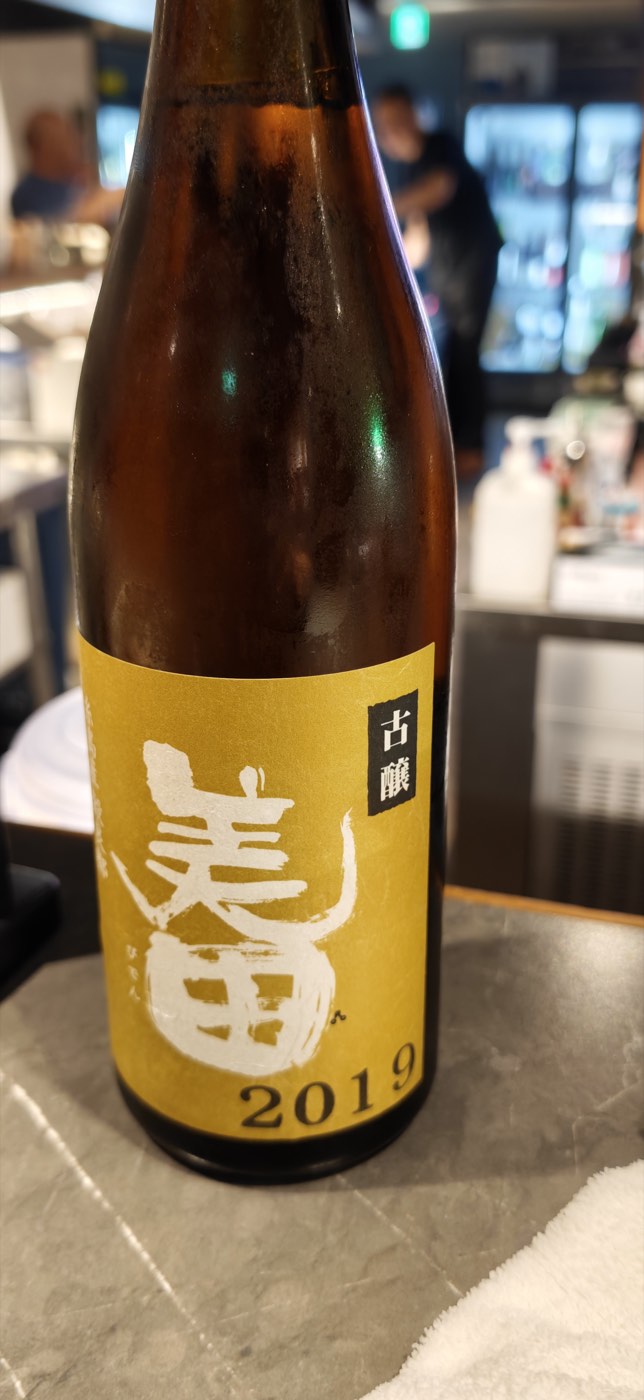
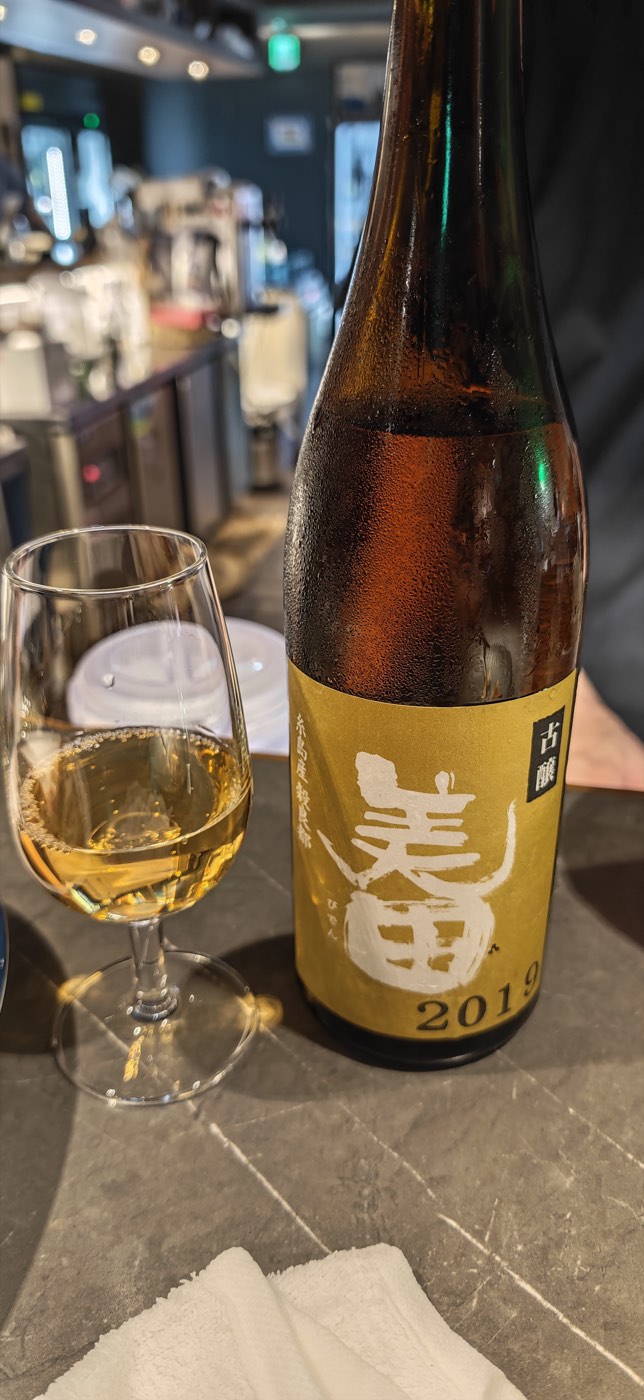
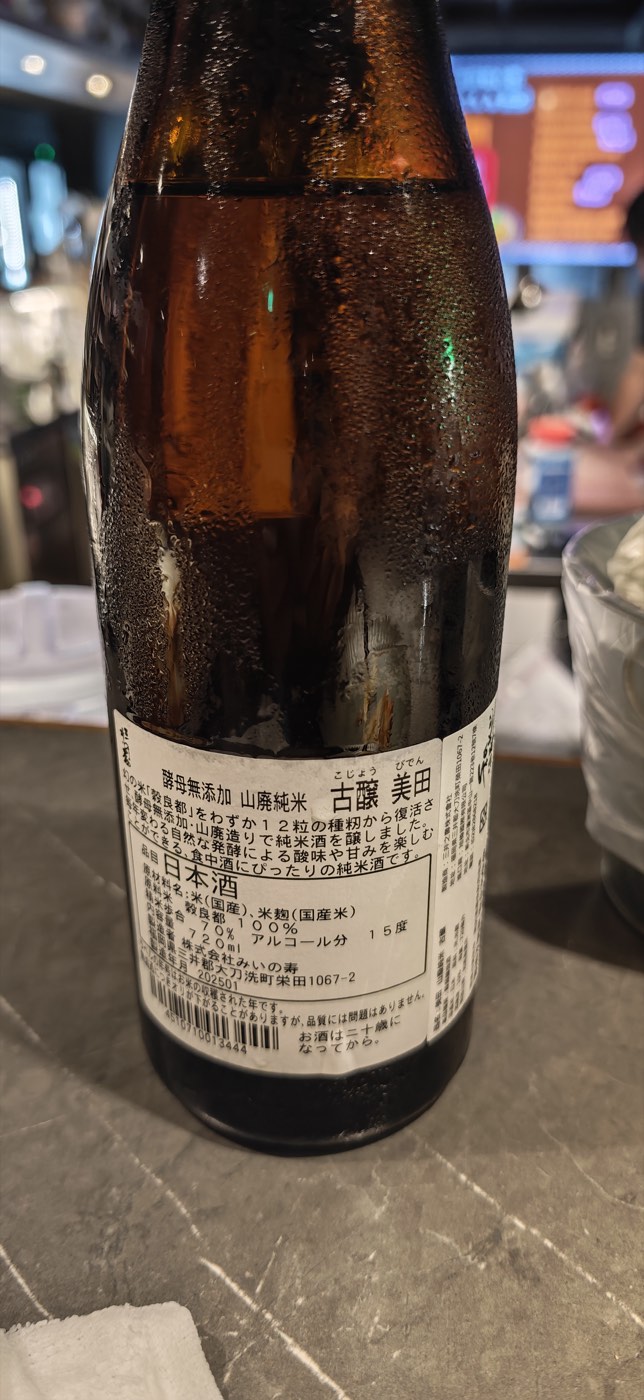
Kojo Biden 2019 Yamahai Junmai

古醸 美田 2019 / Miinokotobuki Brewery, Fukuoka
SakeYamahai JunmaiAged Sake (Koshu)
Kojo Biden 2019 bottle Amber color in tasting glass Back label — yeast-free Yamahai Junmai
Tasted
2025-11-05
Region
Tachiaraicho, Fukuoka
Brewery
Miinokotobuki (蔵元みいの寿)
Type
Yamahai Junmai Koshu (BY2019)
Notes
No added yeast · 70% polish · 15% ABV
Aging
Bottle-aged ~6 years (to 2025)

Brewery / Background

Miinokotobuki in Fukuoka (founded 1922) makes the "Mii no Kotobuki" label, which gained a Taiwanese fan base partly because the brand name puns on Hisashi Mitsui from the basketball manga Slam Dunk.

This Kojo Biden is part of their aged-sake series: built on a yamahai junmai base (no commercial yeast added — naturally cultivated lactic-acid starter), then bottle-aged at the brewery for years. "BY2019" = sake-brewing year starting Oct 2019, aged ~6 years to 2025.

The pour shows a clear amber tone — the signature of long-aged sake (Maillard reactions + amino-acid oxidation). Nose: dried apricot, honey, walnut, faint Shaoxing wine. Highly food-friendly with strong-flavored, smoked, or fermented dishes — think miso-grilled fish, Taiwanese salted-egg-yolk cuisine.

№ 05 / SAKE

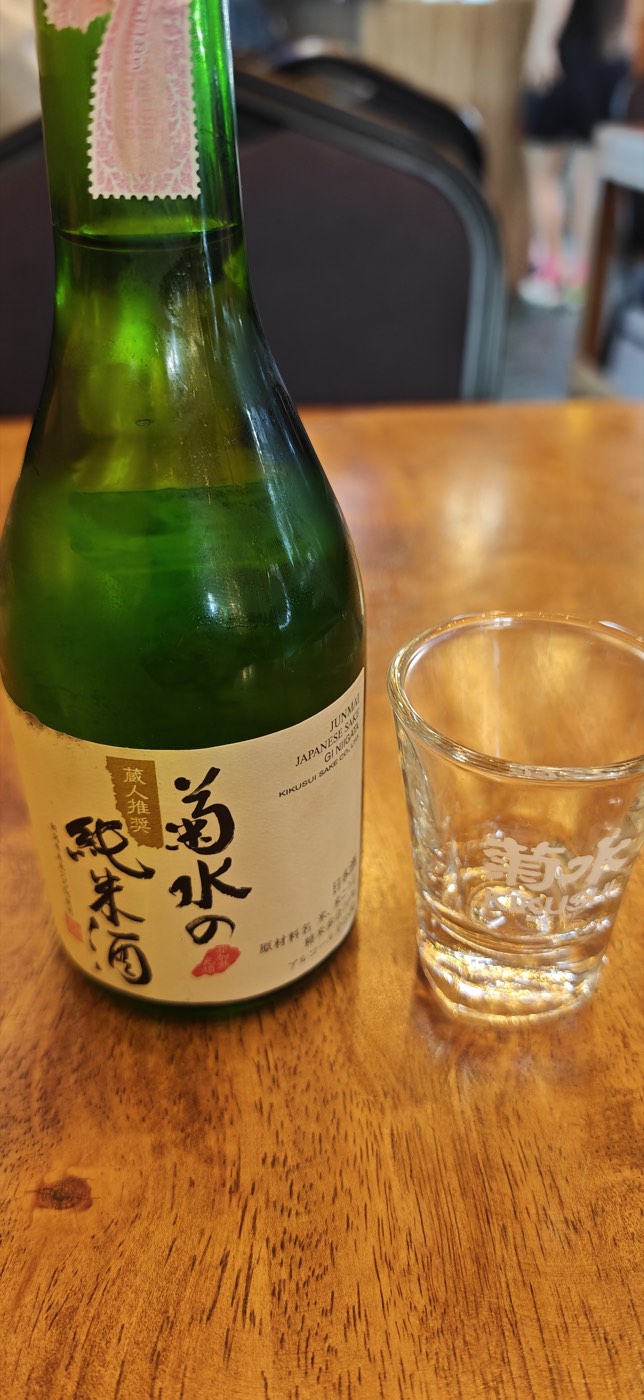
Kikusui Junmai

菊水の純米酒 / Kikusui Brewery, Niigata
SakeJunmaiBrewmaster's Pick
Kikusui Junmai with branded shot glass
Tasted
2026-01-12
Region
Shibata, Niigata
Brewery
Kikusui Sake (菊水酒造)
Type
Junmai (brewmaster's pick line)
Context
Casual restaurant pour · branded shot glass
Taiwan price
NT$ 700–900 (720ml)

Brewery / Background

Kikusui, founded 1881 in Shibata, Niigata, is one of the most accessible Japanese sake brands in Taiwan thanks to "Funaguchi Kikusui Ichiban Shibori" — the 200ml yellow aluminum can sold at almost every sake-counter, often the first sake newcomers try.

This Junmai bottle is Kikusui's regular junmai offering, in Niigata's signature tanrei-karakuchi (clean and dry) style — light body, no stickiness, very drinkable. Excellent chilled; warmed to 55–60°C it draws out the rice sweetness, so it spans the seasons well.

The right-side shot glass embossed with "菊水" is a brand-specific drinkware provided by some restaurants — an old izakaya tradition of pairing branded vessels with brewery-aligned pours.

№ 06 / WINE

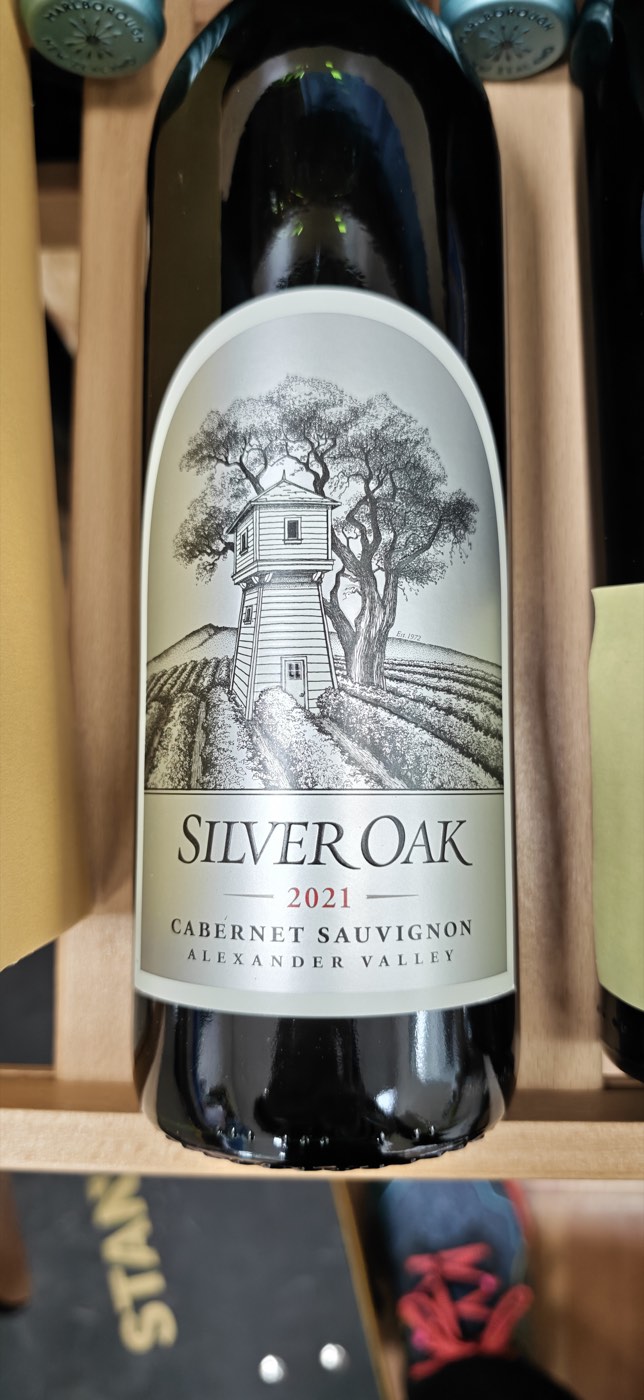
Silver Oak Alexander Valley Cabernet Sauvignon 2021

Sonoma County, California / Duncan Family
WineRedCalifornia
Silver Oak 2021 in temperature-controlled wine cabinet
Tasted
2026-01-16 (cellared) / 2026-02-02 (opened)
Region
Alexander Valley, Sonoma, CA
Winery
Silver Oak Cellars (Duncan Family)
Vintage
2021
Varietal
100% Cabernet Sauvignon
Oak
American oak, 2+ years
Taiwan price
NT$ 3,800–4,500

Winery / Background

Silver Oak is one of California's defining Cabernet houses. Founded in 1972 by Justin Meyer and Raymond Duncan, the winery's discipline is extreme: they make Cabernet Sauvignon — and only Cabernet Sauvignon. That single-varietal focus is extraordinarily rare in the New World. Since 1994 the Duncan family has owned it outright.

Silver Oak runs two separate estates: Napa Valley and Alexander Valley (Sonoma). The Alexander Valley bottling is softer and riper, drinking earlier than the firmer, more structured Napa.

Silver Oak famously uses American oak rather than French — giving its signature coconut, vanilla, and toasted-syrup notes. In 2018 the winery became the first in the U.S. to earn LEED Platinum sustainability certification.

№ 07 / WINE

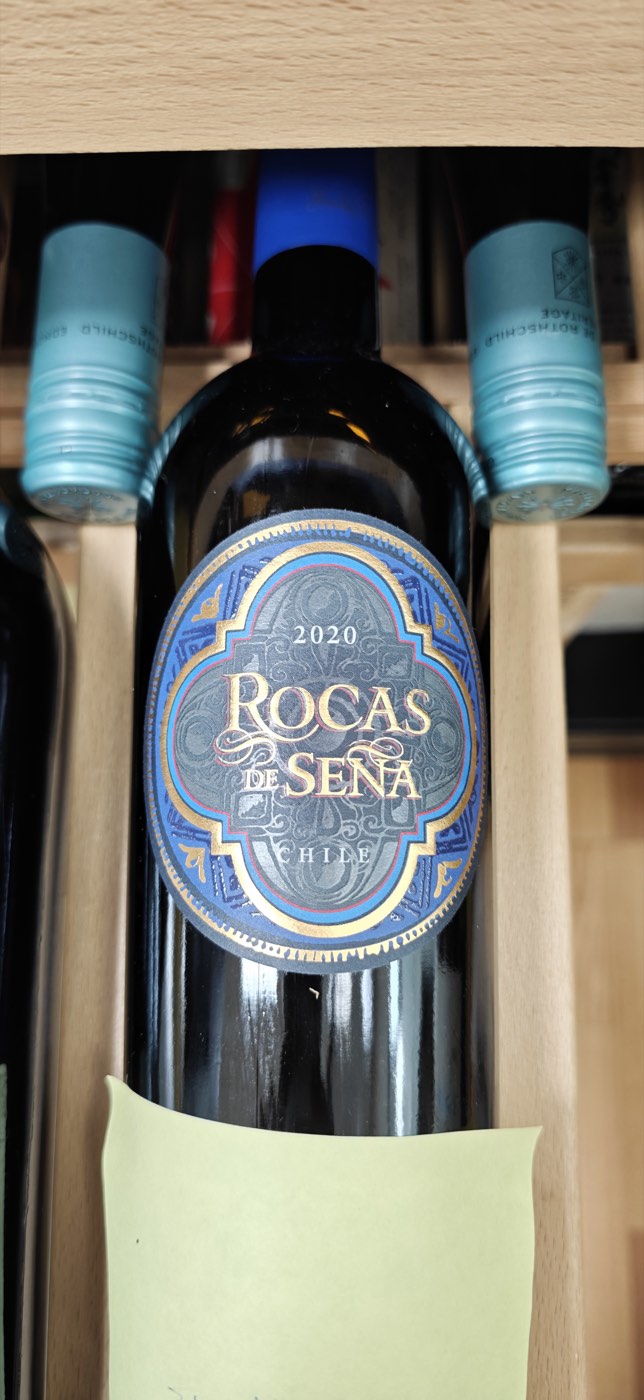
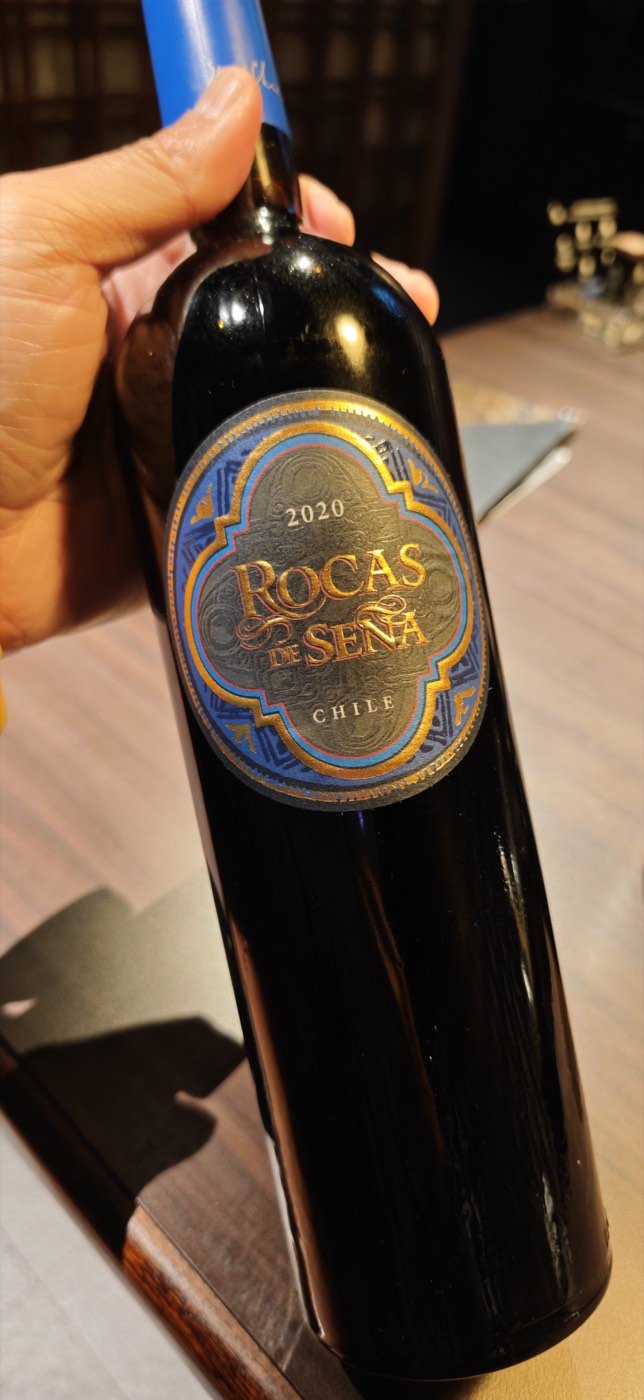
Rocas de Seña 2020

Aconcagua Valley, Chile / Viña Seña
WineRedChile
Rocas de Seña 2020 cellared Rocas de Seña 2020 in hand
Tasted
2026-01-16
Region
Chile, Aconcagua Valley
Winery
Viña Seña
Vintage
2020
Blend
Cabernet Sauvignon, Malbec, Carmenère
Tier
Seña second-label
Taiwan price
NT$ 1,800–2,400

Winery / Background

Viña Seña is one of Chile's flagship premium wineries. Founded in 1995 as a joint venture between Chile's Eduardo Chadwick family and California's Mondavi family; in 2004 the Chadwicks bought out the Mondavi share. The estate sits in the Aconcagua Valley, between the Pacific Ocean and the Andes.

The flagship Seña scores 95+ regularly in Decanter, JS, and RP — peer to "Don Maximiano" and "Almaviva". Rocas de Seña is the second wine, made from fruit not selected for the flagship — very high price-to-quality for those wanting to taste Chilean premium-style without flagship pricing.

2020 is a well-balanced Chilean vintage. The Cab/Malbec/Carmenère blend delivers classic Chilean signatures — blackcurrant, blueberry, bay leaf, tobacco, dark chocolate. Firm but unaggressive tannin, an excellent match for red meat and roasted vegetables.

Source: sena.cl
№ 08 / SAKE

Hina (Hiten brand) — Yamahai × Brewery Yeast

雛 / Hiraizumi Shuzo, Iwate (Hiten label)
SakeYamahai JunmaiIwate
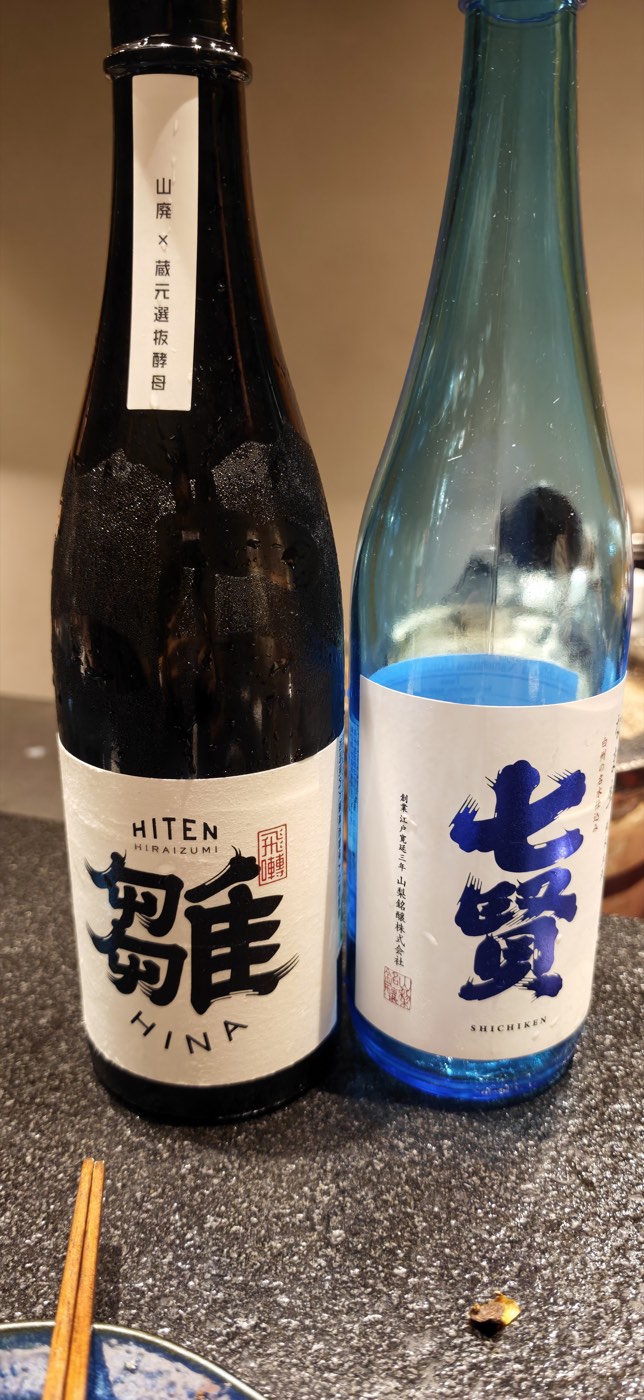
Hina (left) and Shichiken (right) side by side
Tasted
2026-01-19
Region
Hiraizumi, Iwate
Brewery
Hiraizumi Shuzo (Hiten label)
Type
Yamahai × brewery's own selected yeast
Context
Side-by-side with № 09 Shichiken
Taiwan price
NT$ 1,500–1,900 (720ml)

Brewery / Background

"Hina (雛)" is a sub-series under the "Hiten (飛囀)" label of Hiraizumi Shuzo in Iwate. Hiraizumi is a UNESCO World Heritage site — the historic center of the Northern Fujiwara clan. Few breweries operate there, but each has a strong identity.

The neck label says "Yamahai × brewery's own yeast selection", which signals two craft choices: yamahai (no induced lactic acid — the starter sours naturally, giving a wilder, fuller profile than sokujo) and brewer's-own-selected yeast (not the Brewers' Association number-yeasts). Both choices tilt the bottle toward "house character" rather than uniform style — what you taste is the brewery's preference, not the industry's baseline.

Drinking it side by side with Yamanashi's Shichiken made a clean Tohoku vs. central-Japan east-west comparison.

Source: Japanese specialty sake-shop product info
№ 09 / SAKE

Shichiken Junmai

七賢 / Yamanashi Meijo, Hokuto City, Yamanashi
SakeJunmaiYamanashi
Shichiken (right) and Hina (left) side by side
Tasted
2026-01-19
Region
Hakushu, Hokuto City, Yamanashi
Brewery
Yamanashi Meijo (山梨銘醸)
Type
Junmai
Water
Southern Alps "Hakushu" spring water (same source aquifer as Suntory Hakushu whisky)
Founded
1750 (Edo-era)
Taiwan price
NT$ 1,200–1,600 (720ml)

Brewery / Background

Yamanashi Meijo was founded in 1750 in Hakushu, Hokuto City, Yamanashi. The name "Shichiken" (Seven Sages) honors the Seven Sages of the Bamboo Grove from late Han / early Jin Dynasty China — chosen by the brewery's ancestors in the Edo period as a literary salute to their guests.

Shichiken's defining asset is water: spring water from Kaikomagatake in the Southern Japanese Alps, the same aquifer that feeds Suntory's Hakushu whisky distillery. Extremely soft, low in minerals — the ideal water for sake with "clean lightness and transparency." The pale-blue bottle with calligraphic "Shichiken" is one of the most recognizable in Japanese sake.

In recent years Shichiken has also released a Sparkling series (in-bottle secondary fermentation), now a staple on fine-dining sake-pairing menus.

№ 10 / WINE

Lindeman's Cawarra Merlot

Australia / Treasury Wine Estates
WineRedAustralia
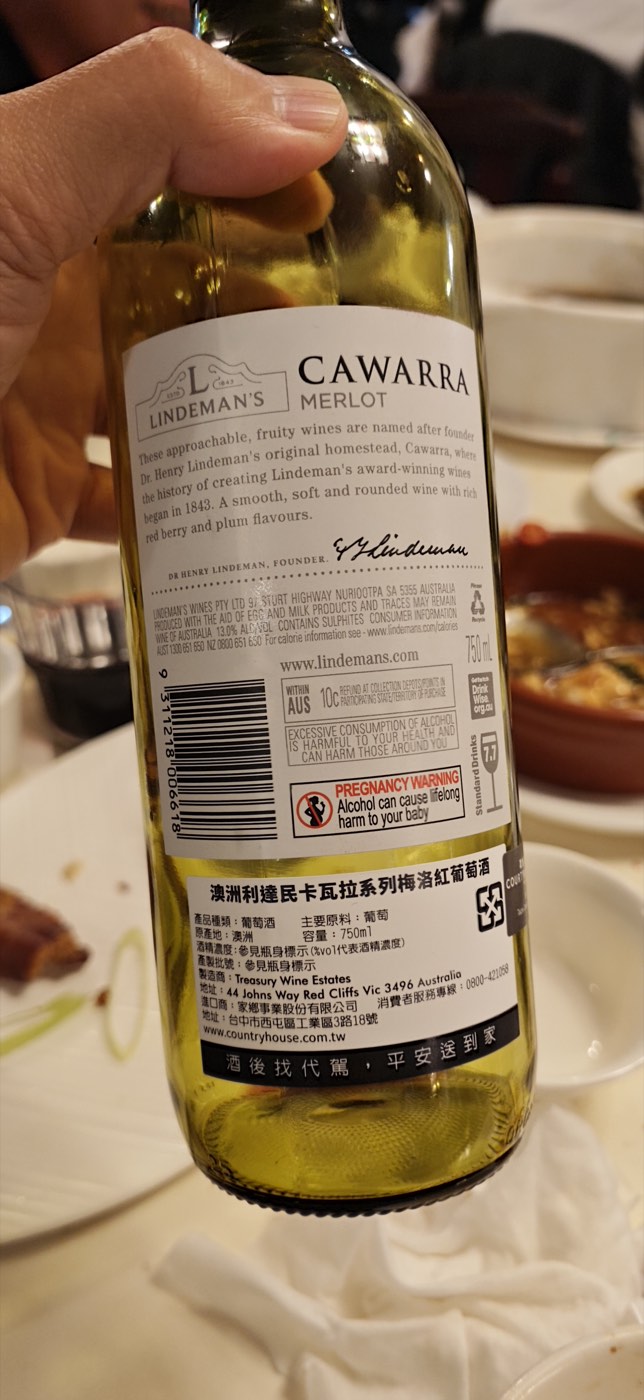
Lindeman's Cawarra Merlot back label
Tasted
2026-02-02
Region
Australia (Treasury Wine Estates multi-region blend)
Producer
Lindeman's Wines (TWE group)
Range
Cawarra (entry tier)
Varietal
100% Merlot
Context
Family Chinese restaurant dinner
Taiwan price
NT$ 350–500

Winery / Background

Lindeman's is one of Australia's oldest wineries — founded by Dr. Henry Lindeman in 1843 in the Hunter Valley, New South Wales. Today it sits under the global Treasury Wine Estates umbrella, alongside Penfolds, Wolf Blass, and 19 Crimes.

Cawarra is Lindeman's entry-tier everyday-drinking range, named after the founder's original estate. The design brief is straightforward — soft, easy-drinking, food-friendly. This Merlot delivers red berries, plum, soft vanilla; tannin is low; fruit is direct. It's the "won't fight with the food, won't cause arguments, everyone can drink it" red for a Chinese banquet table.

Tasted at the same dinner as № 06 Silver Oak — together they made a perfect Australian-everyday vs. California-premium comparison, with a 10× price gap.

№ 11 / SAKE

HOSHITORI Junmai Daiginjo

星取 / Chiyomusubi Brewery, Sakaiminato, Tottori
SakeJunmai DaiginjoTottori
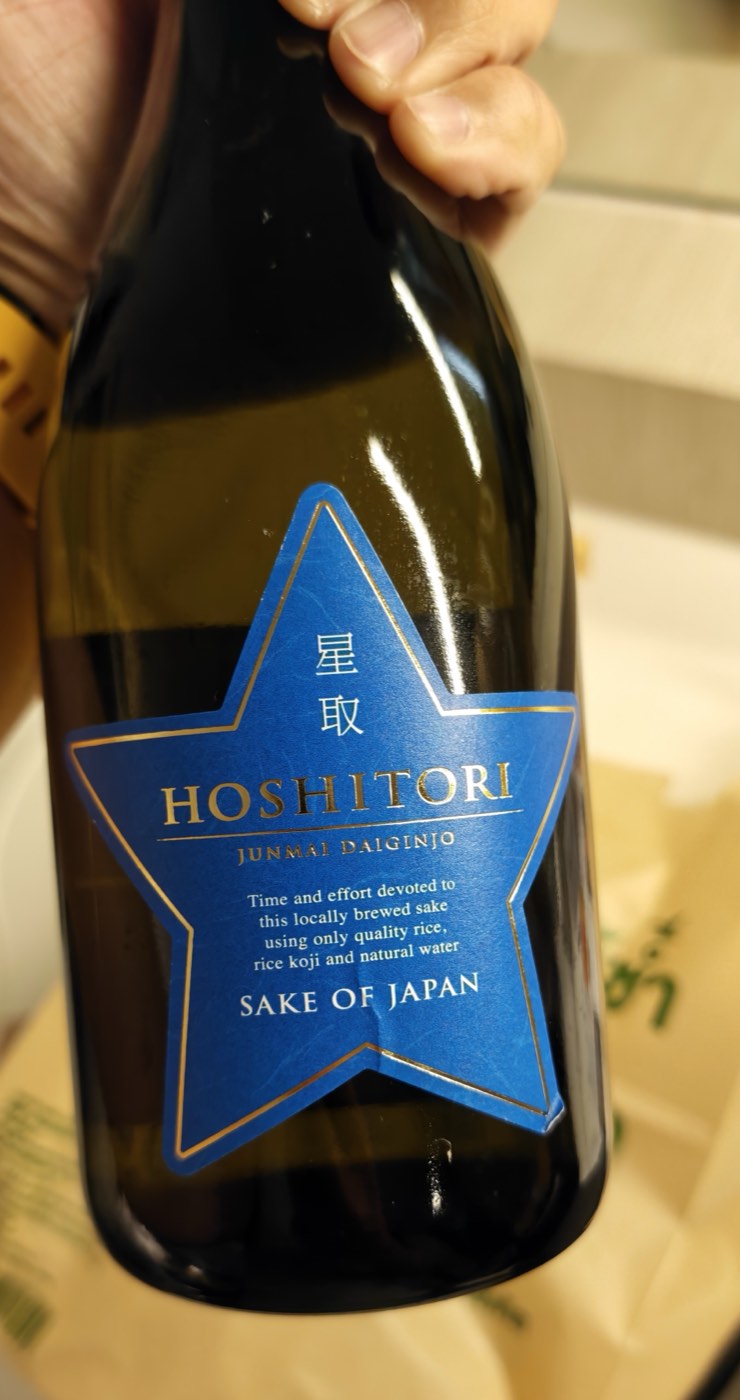
HOSHITORI Junmai Daiginjo with blue star label
Tasted
2026-02-13
Region
Sakaiminato, Tottori
Brewery
Chiyomusubi (千代むすび酒造)
Type
Junmai Daiginjo
Rice
Tottori-grown rice
Note
Blue-star export-oriented design
Taiwan price
NT$ 2,000–2,500 (720ml)

Brewery / Background

Chiyomusubi Brewery sits in Sakaiminato, Tottori (next door to Matsue, Shimane), founded in 1865. Tottori is one of Japan's lowest-sake-consumption prefectures and a small producer, but in recent years has leveraged its rice quality to push junmai daiginjo lines for export.

HOSHITORI ("star catcher") is Chiyomusubi's export sub-brand — blue-and-gold star label, English-only main text ("SAKE OF JAPAN / JUNMAI DAIGINJO"), minimalist design aimed at non-Japanese drinkers. You'll find it on sake-pairing menus at fine-dining Japanese restaurants and Michelin-starred restaurants across Europe and the US.

Rice polish below 50%, yeast tuned for clean fruit character (white peach, pear, faint floral). Excellent chilled. Pairs cleanly with sashimi, white-fish nigiri, and light Italian dishes (aglio e olio, white-cream risotto).

Cross-Season Reflection — Three Axes

Sake's seasonal ritual: hiya-oroshi / aki-agari opened October (Yokoyama, Kamokin); kijoshu and yamahai aged sake led November (Fudo RE, Kojo Biden); regular junmai carried winter (Kikusui, Hina, Shichiken); junmai daiginjo closed early spring (Hoshitori). Each bottle's style matched the season it appeared in — sake is a calendar in liquid form.

New-World reds as supporting roles: the three wines mapped cleanly to three price tiers and three occasions — Chilean Rocas de Seña for at-home rituals (NT$2K), California Silver Oak for premium gatherings (NT$4K), Australian Lindeman's for casual Chinese banquets (NT$400). The 10× price spread itself is a snapshot of New-World red consumption layers.

Geography: the 8 sake bottles cover Iki Island → Fukuoka → Hiroshima → Yamanashi → Iwate → Tottori → Niigata → Chiba — essentially a north-south spine of Japan. The 3 wines span North America → South America → Oceania. The whole map is "Japan's spine + a Pacific-Rim triangle."