日本語中文

Early Spring 2026 Tasting Log — 21 Bottle Sketches (Juyondai Double, Aramasa Wood Vat, Matsu Kaoliang)

Tasting Period:2026-02-26 → 2026-04-06
21 sketches — 19 sake, 1 whisky, 0 wine, 1 spirits

This article was co-created with AI (research, brewery background verification, structuring).

From Kamotsuru in Hiroshima and Dassai in Yamaguchi to Juyondai in Yamagata, Aramasa wood-vat in Akita, and Hakkaisan Kongoushin in Niigata — six weeks across 12+ sake prefectures; plus a Scotch duo, a Matsu cold-war island kaoliang, and Spanish Inedit Damm + Rioja — 21 sketches stitched into the "early spring 2026 drinking diary."
Note: Reference prices are typical retail ranges; phantom sakes (Juyondai, Aramasa, Hakkaisan Kongoushin) trade in secondary markets at multiples of brewery price.
№ 01 / Sake

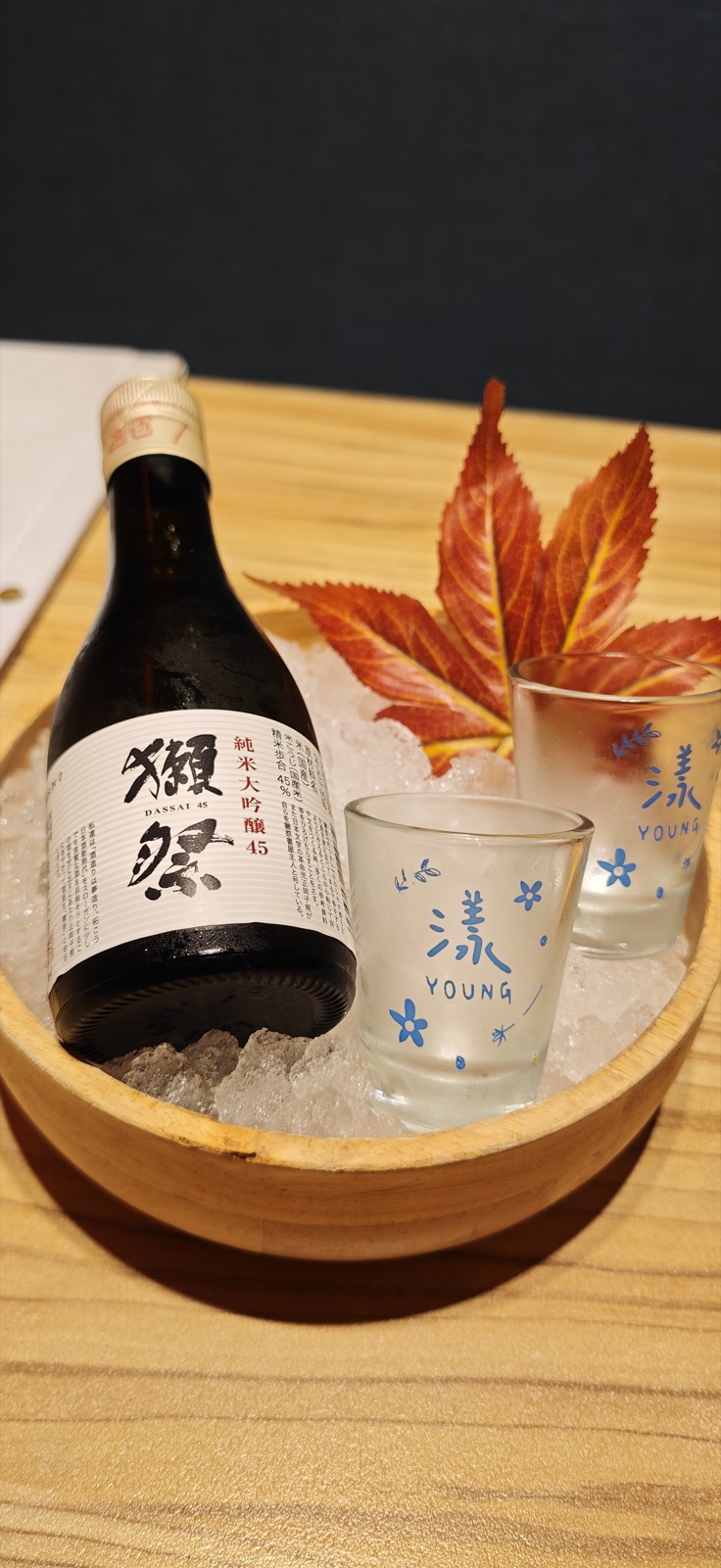
Dassai 45 Junmai Daiginjo (300ml)

獺祭 純米大吟醸 45 / Asahi Shuzo, Yamaguchi
SakeJunmai DaiginjoYamaguchi
Dassai 45 Junmai Daiginjo (300ml)
Tasting Date
2026-02-26
Region
Iwakuni, Yamaguchi
Brewery
Asahi Shuzo (est. 1948)
Type
Junmai Daiginjo
Rice Polish
45%
Volume
300ml
Reference Price (TWD)
NT$ 500–700

Brewery / Background

Dassai is one of Japan's most globally recognized sake brands, brewed by Asahi Shuzo in Yamaguchi. The brewery famously made Junmai Daiginjo its core product (in 23/39/45 polish tiers), upending the traditional sake hierarchy. The "45" is the entry tier — Yamadanishiki rice with 55% milled away — showing bright fruit aromatics, crisp acidity, and a touch of rice sweetness.

Served at a kaiseki restaurant in a wooden ice bowl with maple leaves — quintessentially Japanese presentation. The 300ml bottle is sized for two.
№ 02 / Sake

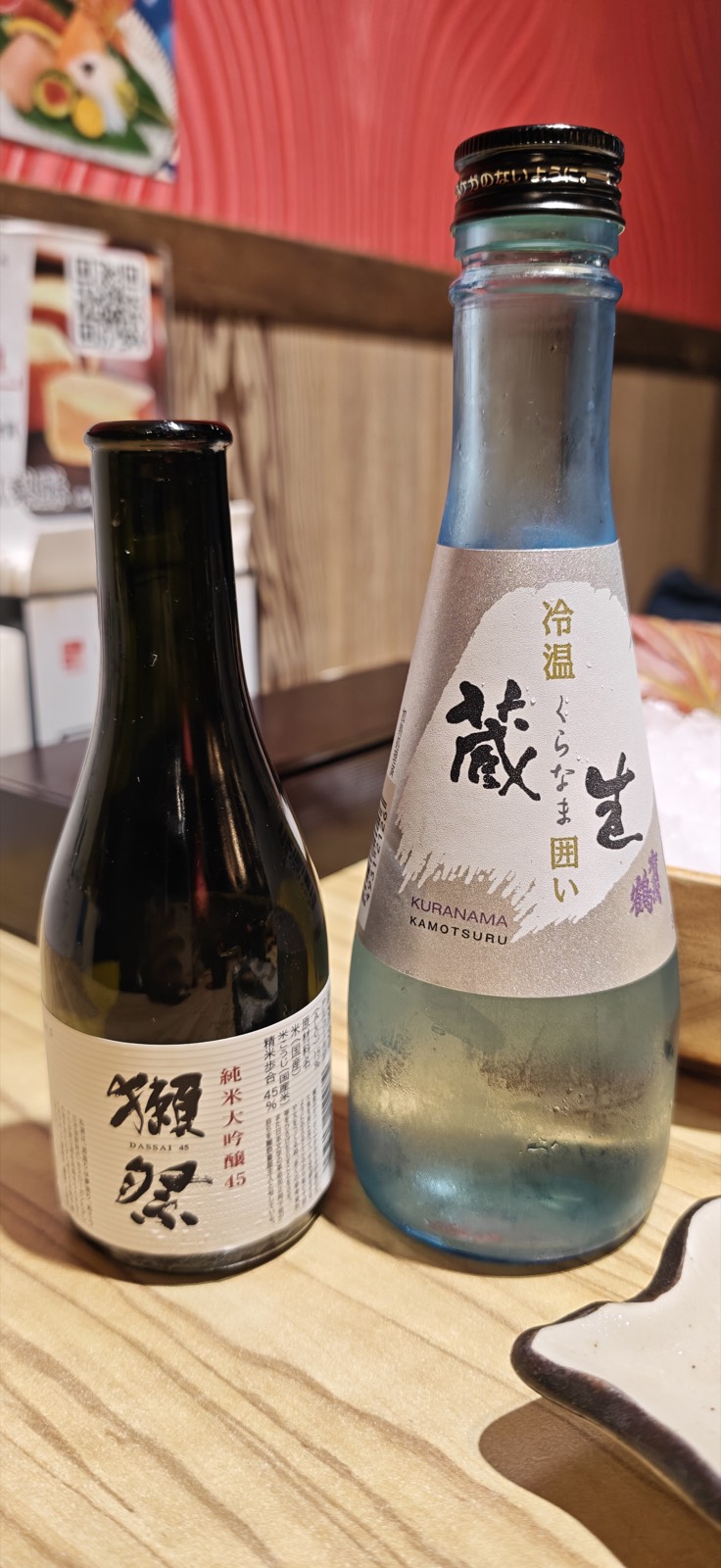
Kamotsuru Kuranama (Cold-Stored Nama-zake)

蔵生 賀茂鶴 / Kamotsuru Brewery, Higashi-Hiroshima
SakeNama-zakeHiroshima
Kamotsuru Kuranama (Cold-Stored Nama-zake)
Tasting Date
2026-02-26
Region
Saijo, Higashi-Hiroshima, Hiroshima
Brewery
Kamotsuru Sake Brewing
Type
Nama-zake (cold storage)
Volume
300ml
Reference Price (TWD)
NT$ 400–600

Brewery / Background

Kamotsuru is one of the three great breweries of Saijo, Hiroshima's "sake capital," founded in 1873 by the Ishii family. Often credited as the originator of Ginjo-zukuri (the first brewery to attempt sub-50% rice polish), it is famously the sake Obama and Abe shared at Jiro's sushi counter in 2014.

"Kuranama" is the unpasteurized nama-zake series stored cold to preserve fresh enzymatic complexity. The frosted glass bottle ices over beautifully when chilled.

Source:kamotsuru.jp
№ 03 / Sake

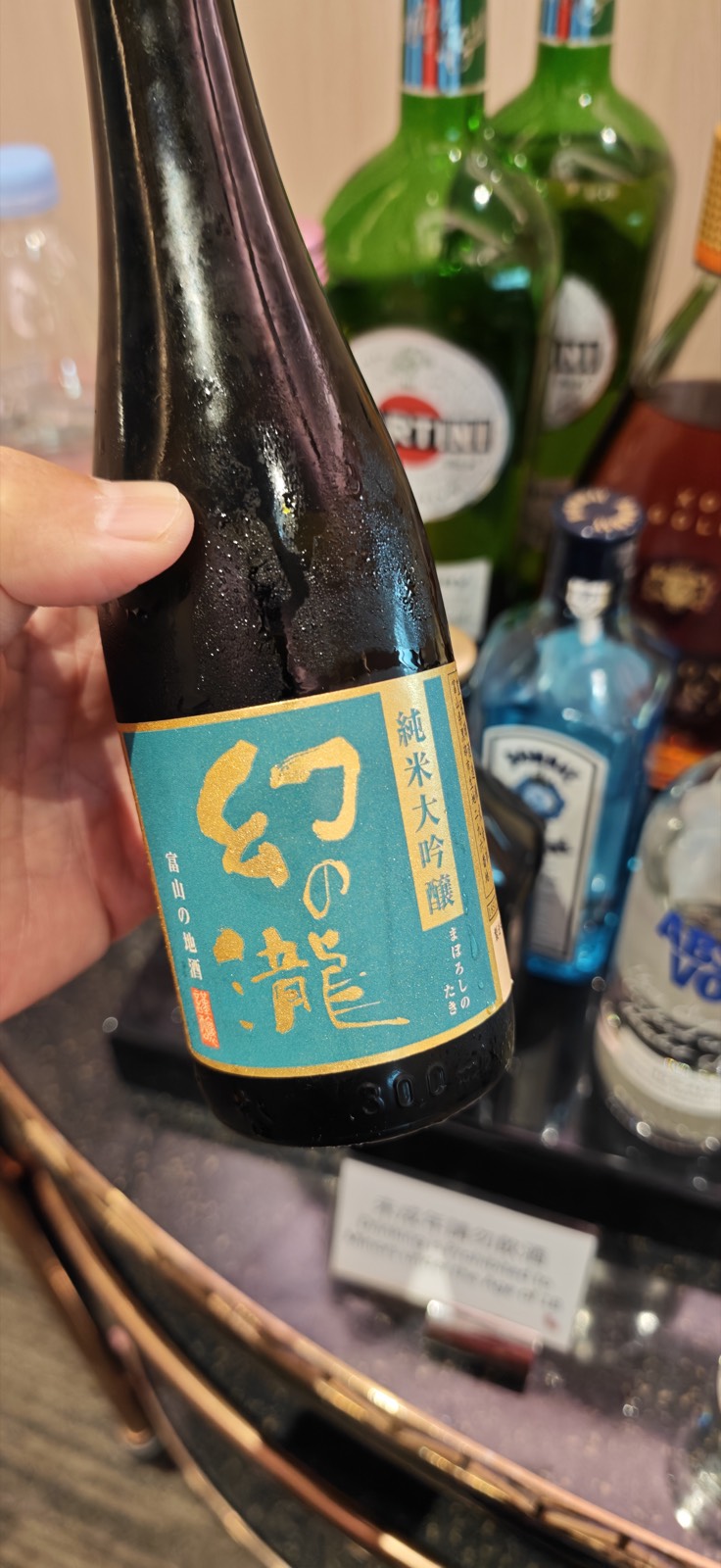
Maboroshi no Taki Junmai Daiginjo

"Phantom Falls" / Mikunihare Shuzo, Kurobe, Toyama
SakeJunmai DaiginjoToyama
Maboroshi no Taki Junmai Daiginjo
Tasting Date
2026-03-03
Region
Kurobe City, Toyama
Brewery
Mikunihare Shuzo
Type
Junmai Daiginjo
Note
Brewed with "100 Famous Waters of Japan"
Volume
720ml
Reference Price (TWD)
NT$ 1,500–2,000

Brewery / Background

Mikunihare Shuzo is one of Toyama's signature breweries, in the Kurobe alpine region. "Maboroshi no Taki" ("Phantom Falls") references nearby Shomyo Falls — Japan's tallest waterfall at 350m — symbolizing the mystery of Hokuriku snowmelt.

Brewed with extremely soft underground water from the Kurobe River alluvial fan, one of Japan's "100 Famous Waters." Result: cool, transparent texture with clean rice aromatics. The signature turquoise label is the brand's visual identity.

№ 04 / Sake

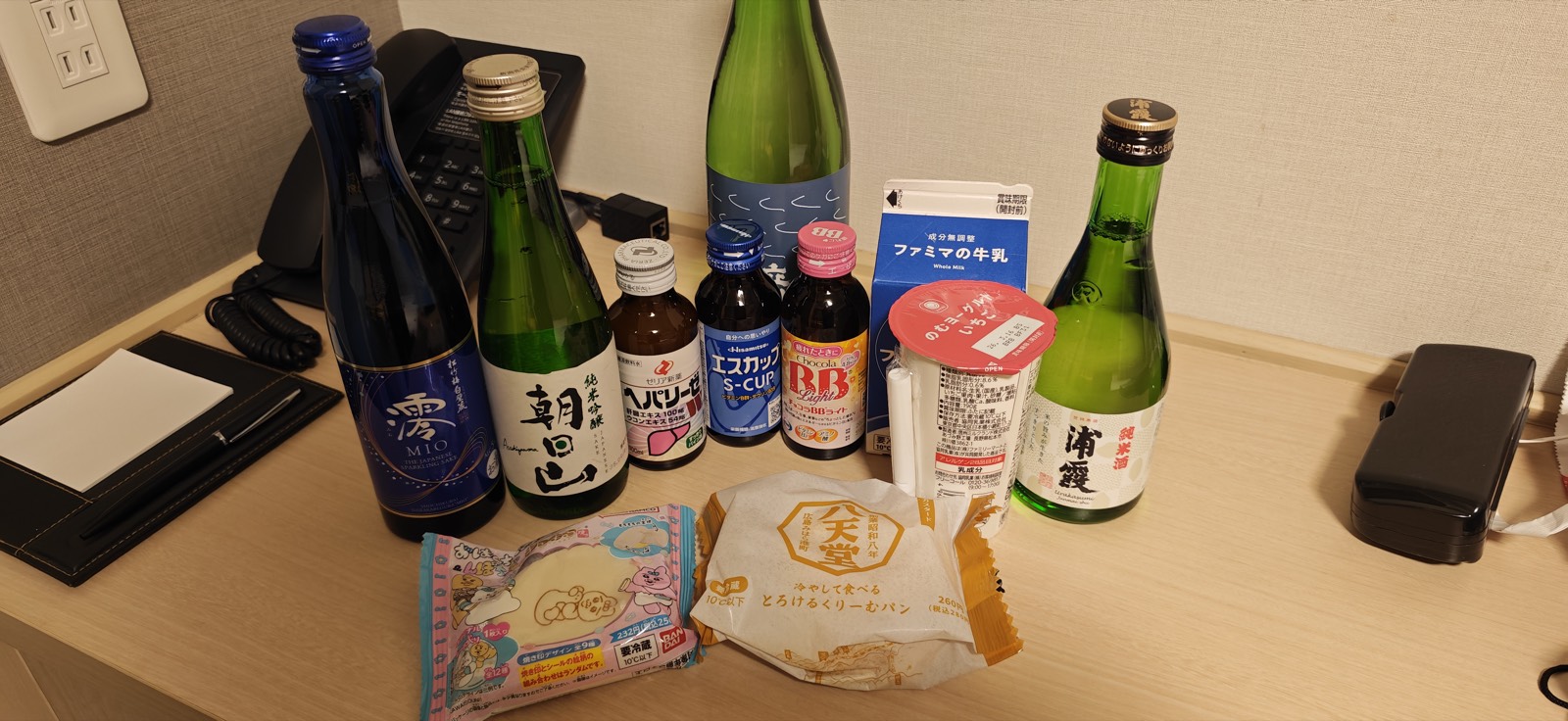
Convenience Store Sake Trio — Asahiyama + Urakasumi + Mio

Hotel-room night flight / Japanese conbini sake haul
SakeConbini3-bottle Set
Convenience Store Sake Trio — Asahiyama + Urakasumi + Mio 1Convenience Store Sake Trio — Asahiyama + Urakasumi + Mio 2
Tasting Date
2026-03-03
Scene
Japanese hotel room
Lineup
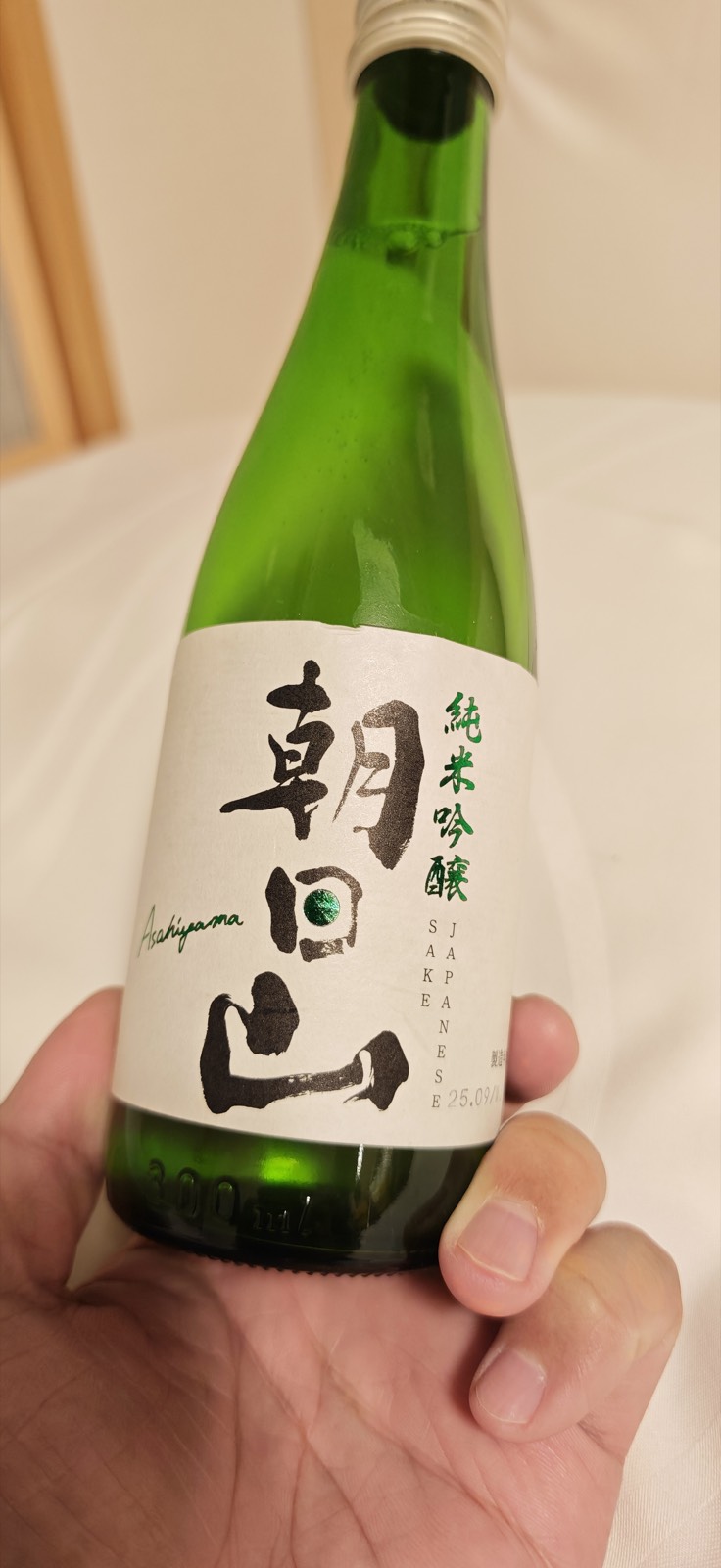
Asahiyama Junmai Ginjo / Urakasumi Junmai / Mio Sparkling
Volume
300ml each
Reference Price (TWD)
NT$ 280–380 + NT$ 250–350 + NT$ 200–300

Brewery / Background

Japanese convenience stores (FamilyMart, 7-Eleven) keep a regional sake mini-bottle section — 300ml bottles from heritage breweries at ¥600–1,200 each — making them the cheapest classroom for sake exploration during a Japan trip. This night's hotel-room trio:

  • Asahiyama Junmai Ginjo (Asahi Shuzo, Nagaoka, Niigata, est. 1830) — entry tier from the same brewery as the famous "Kubota." Classic Niigata "tanrei karakuchi" (crisp dry) style.
  • Urakasumi Junmai (Saura Brewery, Shiogama, Miyagi, est. 1724) — Tohoku's flagship brewery, formerly served at imperial state banquets.
  • Mio Sparkling (Hakutsuru Brewery, Hyogo) — a 5% ABV lightly sparkling sweet entry, designed to introduce younger drinkers to sake.

Paired with 7-Eleven Häagen-Dazs, Hattendo cream bread, and FamilyMart milk — the canonical "learning sake on a Japan trip" tableau.

Source:FamilyMart / 7-Eleven Japan
№ 05 / Sake

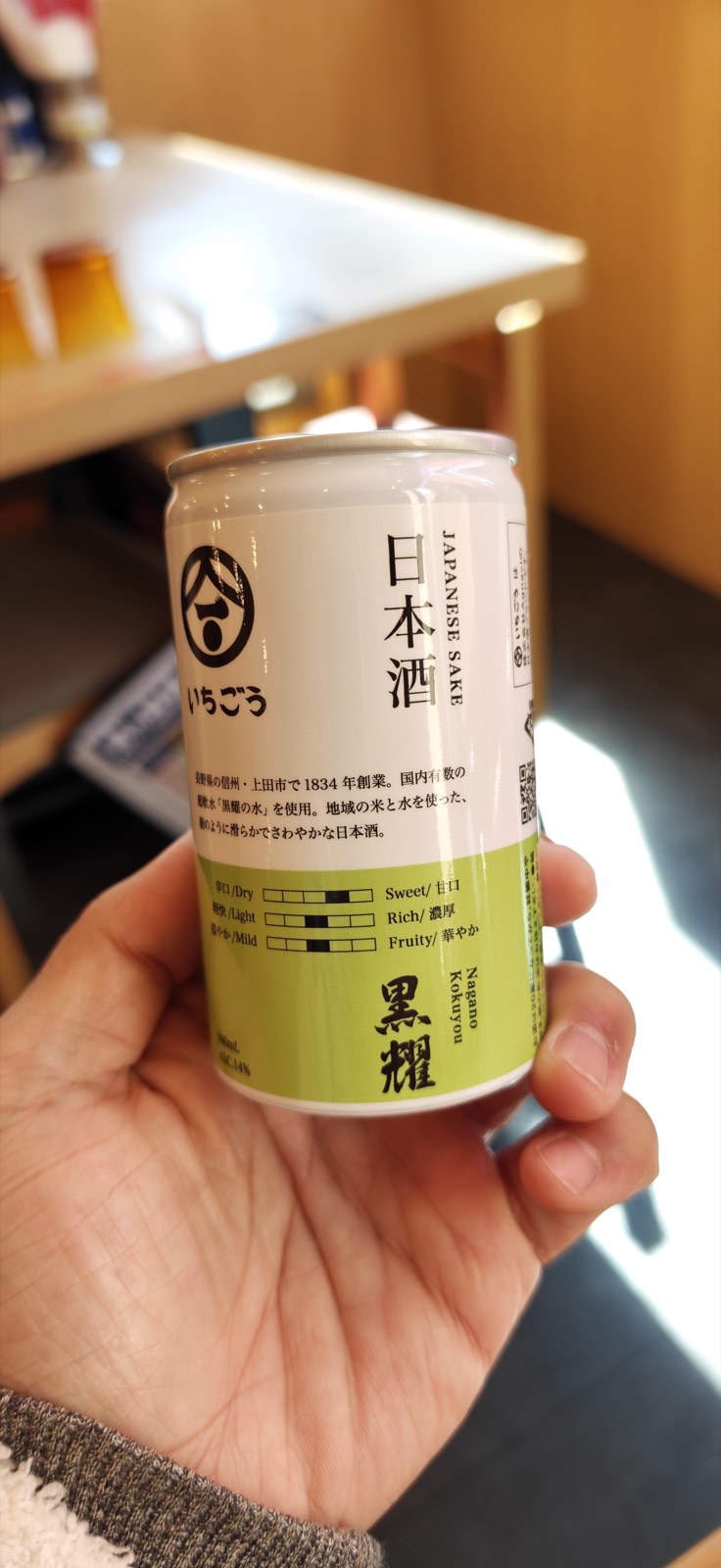
"Ichigou" Kokuyou Junmai (188ml Can)

Kokuyou Junmai / Shinshu Meijo Brewery, Ueda, Nagano (est. 1834)
SakeCannedNagano
Tasting Date
2026-03-04
Region
Ueda, Nagano
Brewery
Shinshu Meijo (est. 1834)
Type
Junmai-shu (canned)
Volume
188ml
Note
Brewed with "Kokuyou" spring water
Reference Price (TWD)
NT$ 150–250

Brewery / Background

Shinshu Meijo is an old brewery in Ueda, eastern Nagano, founded in 1834 (Tenpo 5 of the Edo era). Located in the ancestral homeland of the Sanada clan, near the Urano River basin where the "Kokuyou-no-mizu" soft spring water emerges — one of the few soft-water sources in this otherwise hard-water region.

The 188ml can is a Japanese convenience-store staple — a single-serving local sake, pop-top and ready to drink. Ideal for hiking, hanami picnics, airport lounges, or train journeys.

Source:信州銘醸株式会社(長野・上田)
№ 06 / Sake

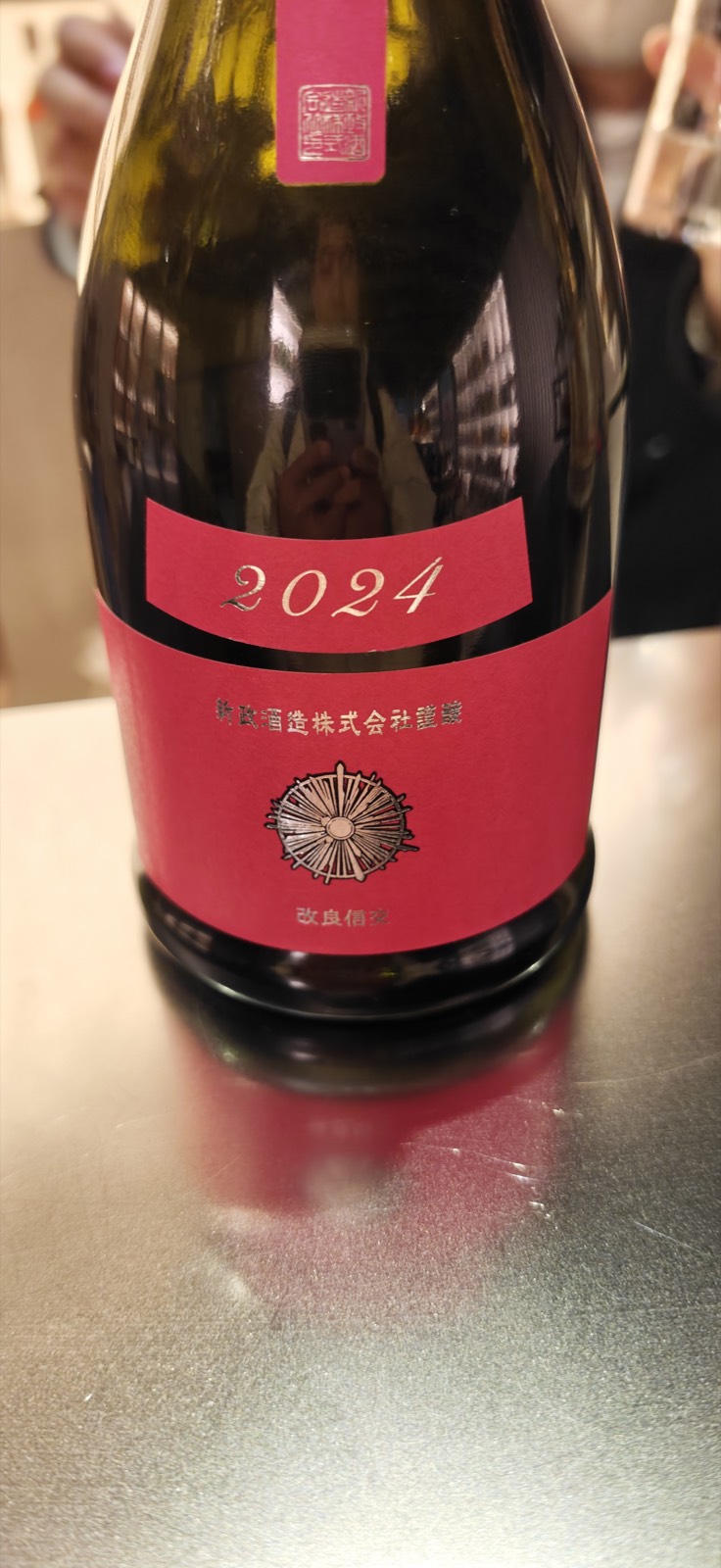
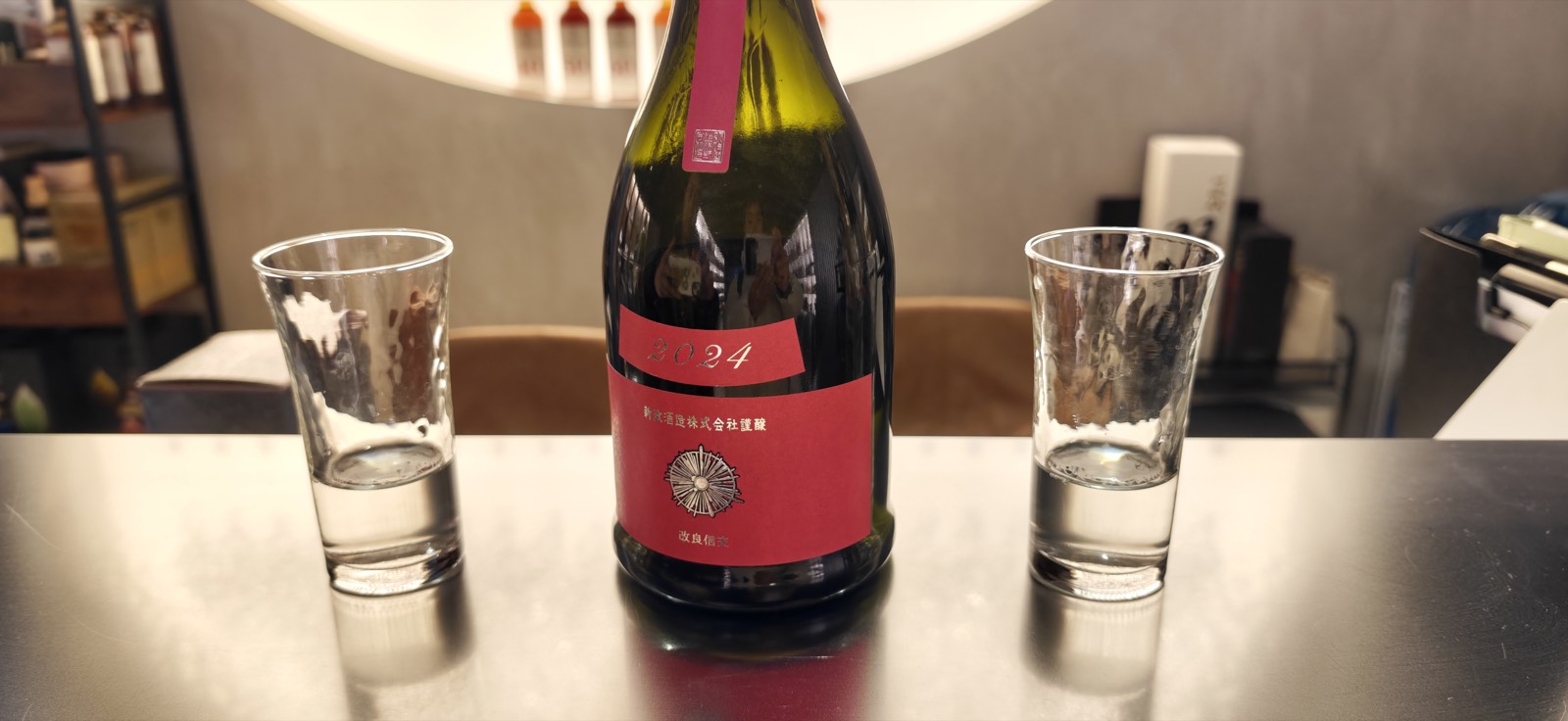
Kairyo Shinko 2024 — Heritage Rice Limited (Niigata)

新潟酒造株式会社蔵製 / Kairyo Shinko vintage release
SakeHeritage RiceNiigata
Kairyo Shinko 2024 — Heritage Rice Limited (Niigata) 1Kairyo Shinko 2024 — Heritage Rice Limited (Niigata) 2
Tasting Date
2026-03-04
Region
Niigata Prefecture
Rice
Kairyo Shinko (heritage variety)
Note
Rare cultivar, winter limited
Volume
720ml
Vintage
2024 BY
Reference Price (TWD)
NT$ 2,500–3,500

Brewery / Background

Kairyo Shinko is a sake-rice variety bred in Niigata in 1955, derived from "Shinko No. 200." Once nearly extinct due to low yields and difficult cultivation, it has been revived by artisanal breweries in recent years. The resulting sake has substantial body yet retains Niigata's crisp finish, with deep underlying rice character.

2024 BY (brewing year) limited release. Minimalist label — no brewery logo, only "2024" and 謹製 ("respectfully crafted") — uncommon in Niigata sake tradition; a "showcase the rice" style.

Source:新潟酒造株式会社(label)/ heritage rice variety
№ 07 / Sake

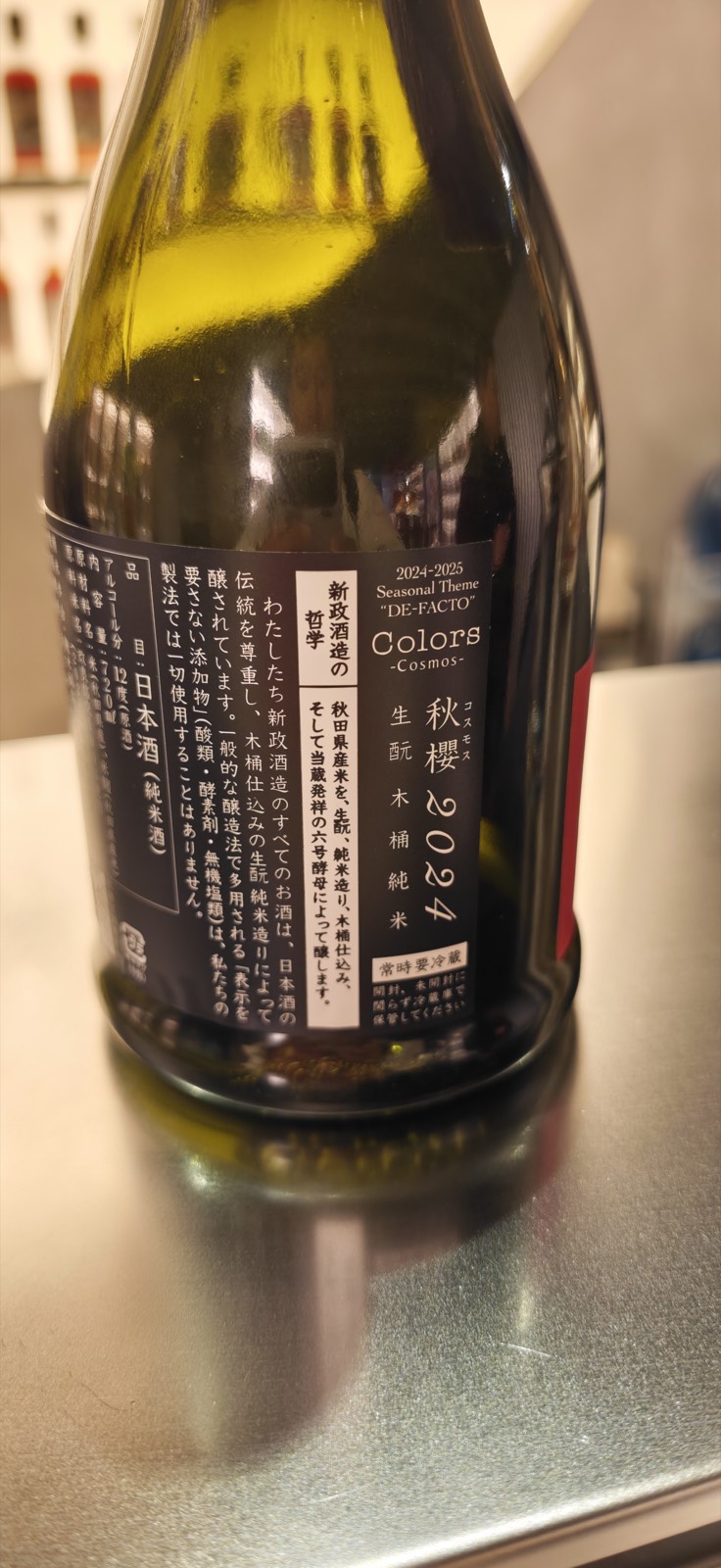
Aramasa Colors "Cosmos" 2024 — Kimoto, Wood-Vat, Junmai

新政 Colors 秋櫻 2024 / Aramasa Brewery, Akita
SakeAramasaAkitaKimoto
Aramasa Colors
Tasting Date
2026-03-04
Region
Akita City, Akita Prefecture
Brewery
Aramasa Shuzo (est. 1852)
Series
Colors — DE-FACTO
Rice
100% Akita prefecture rice
Method
Kimoto · Wood vat · Junmai · No additives
ABV
12% (genshu)
Requires
Refrigeration
Reference Price (TWD)
NT$ 3,500–5,500

Brewery / Background

Aramasa (新政) is a legendary Akita brewery, founded in 1852. Under 8th-generation owner Yuusuke Sato, it converted entirely to four uncompromising principles: 100% Akita rice, 100% junmai, 100% kimoto starter, 100% Yeast No. 6, and revived nearly-extinct wood-vat fermentation (cedar tubs). Considered one of Japan's most coveted sakes — secondary market prices regularly multiply.

The "Colors" series features rice from different Akita sub-regions. "Cosmos" is the 2024-25 autumn theme. Kimoto + wood vat + junmai together yield a sake with vivid acidity and dense layered structure — a completely different flavor spectrum from conventional junmai.

Source:aramasa.jp
№ 08 / Sake

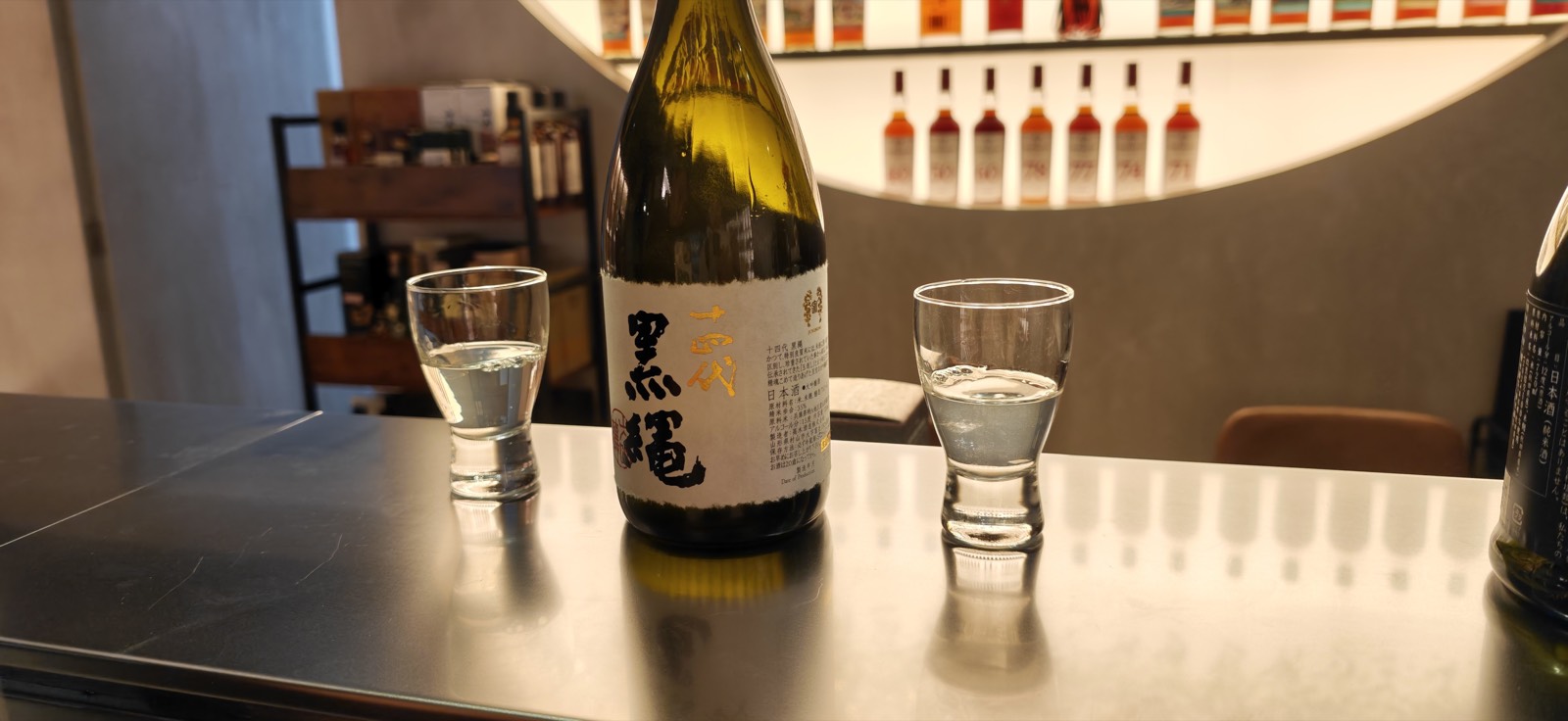
Juyondai Kuronawa Daiginjo — The Legendary "Phantom Sake"

十四代 黒縄 / Takagi Brewery, Murayama, Yamagata
SakeDaiginjoPhantom Sake
Juyondai Kuronawa Daiginjo — The Legendary
Tasting Date
2026-03-04
Region
Murayama City, Yamagata
Brewery
Takagi Shuzo (est. 1615)
Line
Kuronawa Daiginjo
Note
Reasonable brewery pricing, secondary market 5-10x
Volume
720ml
Reference Price (TWD)
NT$ 15,000–30,000(二級市場)

Brewery / Background

Juyondai (十四代) is Japanese sake's most mythical name — the signature of Takagi Brewery in Yamagata. In 1994, 15th-generation owner Akitsuna Takagi (then 27) launched "Juyondai Honmaru," whose "juice-like" aromatics overturned the prevailing dry style and fundamentally rewrote sake's flavor aesthetics — the true origin of the modern "aromatic, sweet-savory" school.

The brewery insists on fair pricing, but demand vs. supply has driven secondary-market prices to 5-10× retail. "Kuronawa" (Black Rope) is one of the top-tier Daiginjo lines and considered the canonical Juyondai tasting experience. Getting to drink this bottle is exceptional fortune.

Source:高木酒造株式会社(山形・村山)/ secondary market
№ 09 / Sake

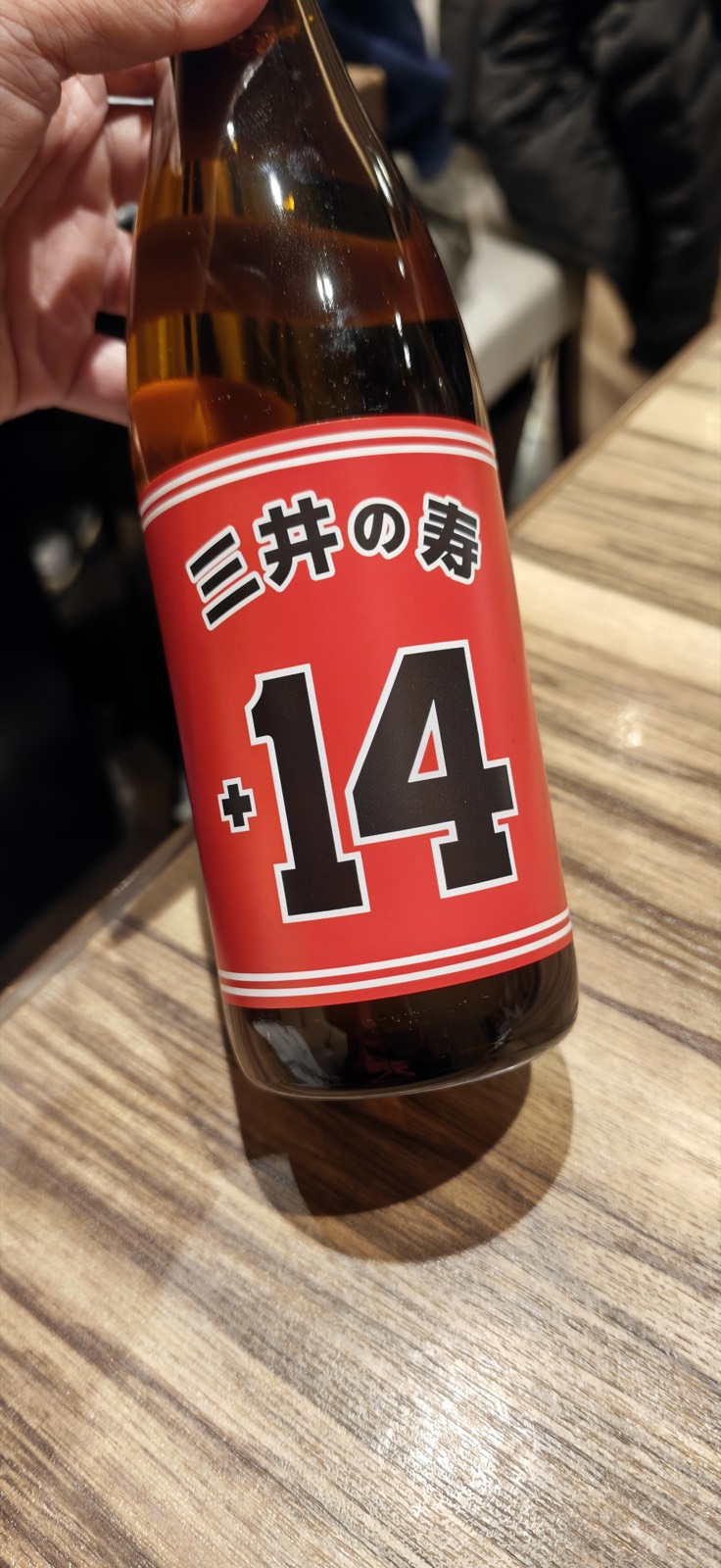
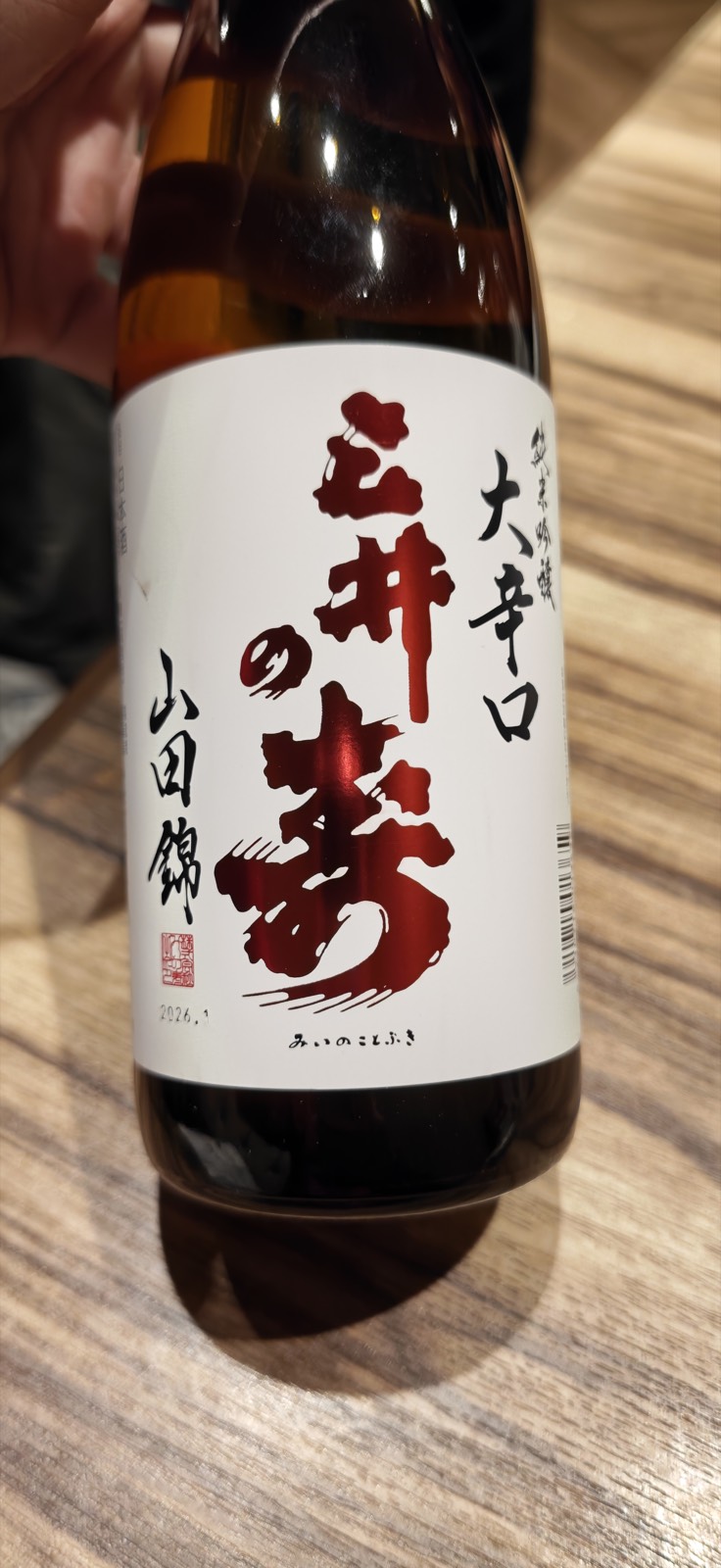
Mii no Kotobuki +14 Junmai Ginjo (Extra Dry Yamadanishiki)

三井の寿 +14 / Mii no Kotobuki Brewery, Fukuoka
SakeExtra DryFukuoka
Mii no Kotobuki +14 Junmai Ginjo (Extra Dry Yamadanishiki) 1Mii no Kotobuki +14 Junmai Ginjo (Extra Dry Yamadanishiki) 2
Tasting Date
2026-03-05
Region
Tachiarai-machi, Mii District, Fukuoka
Brewery
Mii no Kotobuki K.K. (est. 1922)
Type
Junmai Ginjo (Extra Dry)
Rice
Yamadanishiki
SMV
+14 (very dry)
Volume
1.8L isshobin
Reference Price (TWD)
NT$ 700–1,000

Brewery / Background

Mii no Kotobuki is a small brewery in Fukuoka, founded in 1922. The brewery name "Mitsui no Kotobuki" became famous when manga creator Takehiko Inoue used it as the name of Mitsui Hisashi, one of the main characters in *Slam Dunk* — making this one of the rare sakes whose fame grew through anime/manga culture.

"+14" refers to the Sake Meter Value of +14, indicating very dry (0 is neutral, +5-10 is dry, +14 is very dry). The Yamadanishiki Junmai Ginjo version: dry but not astringent, with substantial rice character.

№ 10 / Sake

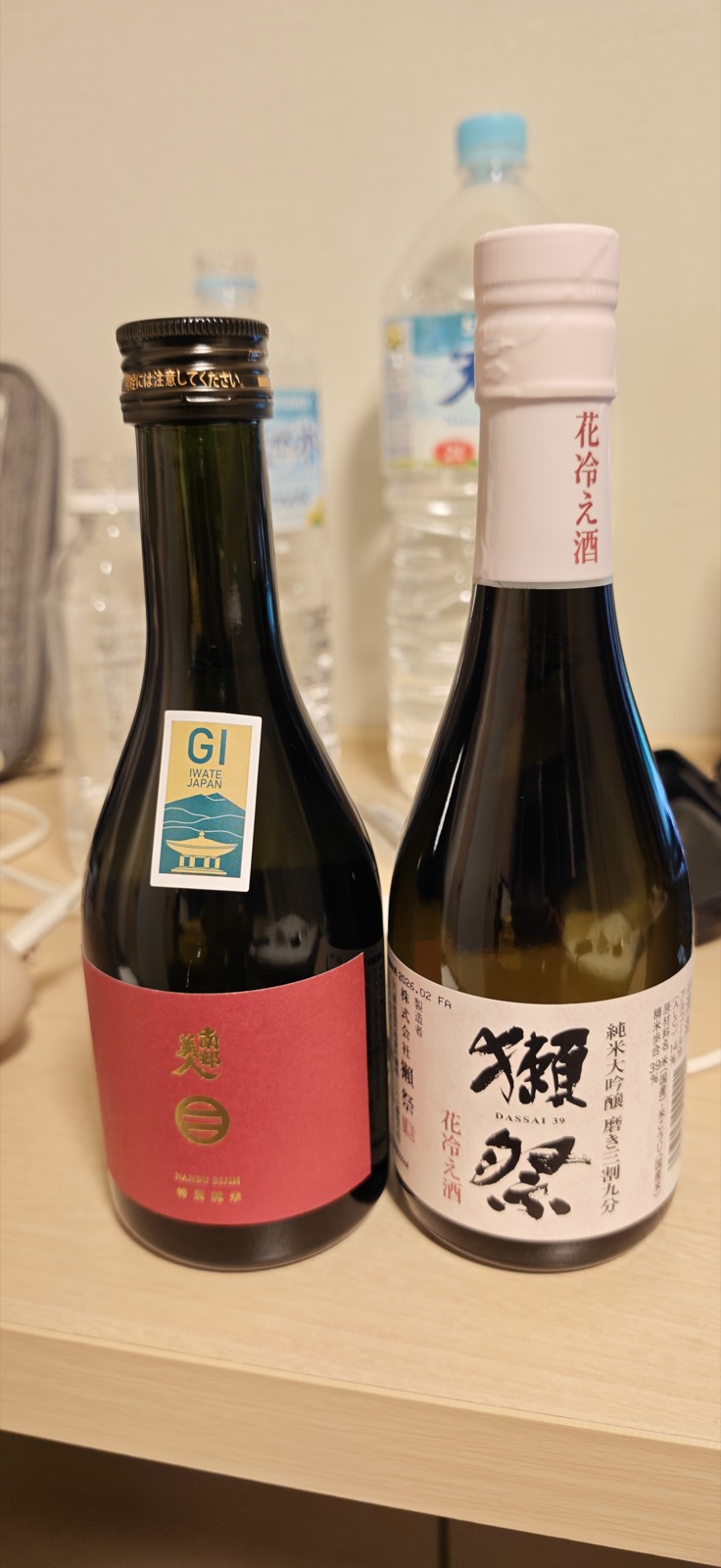
Nanbu Bijin (GI Iwate Certified)

南部美人 / Nanbu Bijin Brewery, Ninohe, Iwate
SakeJunmaiIwate
Nanbu Bijin (GI Iwate Certified)
Tasting Date
2026-03-05
Region
Ninohe City, Iwate
Brewery
Nanbu Bijin K.K. (est. 1902)
Certification
GI Iwate
Volume
300ml
Note
Driving force in global sake education
Reference Price (TWD)
NT$ 350–500

Brewery / Background

Nanbu Bijin is a leading brewery in Ninohe, Iwate, founded in 1902. Its owner Kosuke Kuji is a central figure in global sake promotion, pioneering an "education-based export" model — not just selling sake, but running sake sommelier certification programs overseas.

The "GI Iwate" mark is Iwate's geographical indication certification — only sakes meeting strict requirements on rice origin, water, and brewing method may bear it. This is the 300ml travel format.

№ 11 / Sake

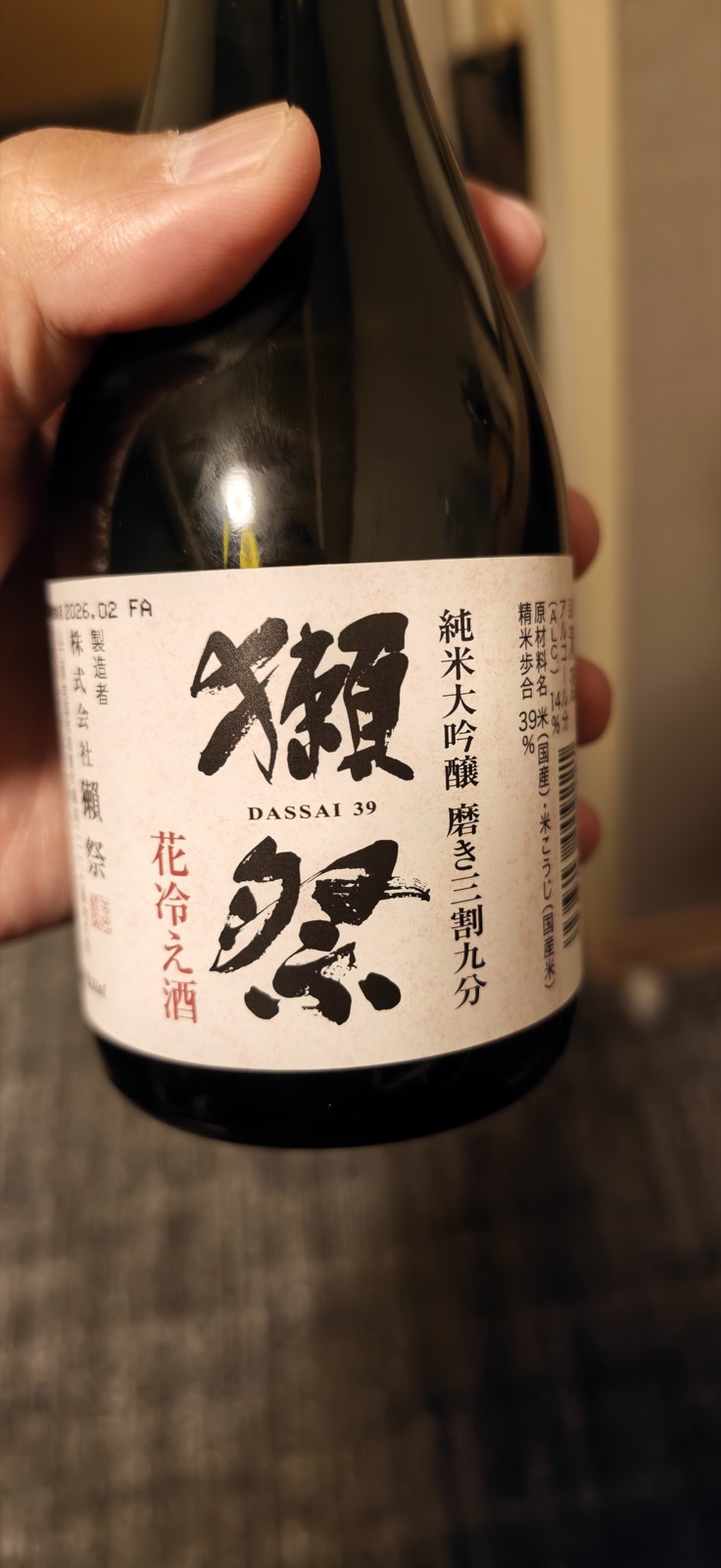
Dassai 39 Junmai Daiginjo "Hanahie" (300ml)

獺祭 39 花冷え酒 / Asahi Shuzo, Yamaguchi
SakeJunmai DaiginjoChill Recommended
Dassai 39 Junmai Daiginjo Dassai 39 Junmai Daiginjo
Tasting Date
2026-03-05
Region
Iwakuni, Yamaguchi
Brewery
Asahi Shuzo
Rice Polish
39%
Serving
"Hanahie" (~10°C chill)
Brewed
Feb 2026
Volume
300ml
Reference Price (TWD)
NT$ 600–900

Brewery / Background

Dassai's "39" is the mid-tier — 61% of the rice surface milled away (39% polish ratio) — between entry 45 and flagship 23. The winter-limited "Hanahie" ("flower-chilled") edition emphasizes ~10°C serving temperature — between room temp and ice-cold — to fully express Dassai's signature pear, white grape, and rice aromatics in three layers. Over-chilling actually suppresses the bouquet.

Minimalist bottle design with just a red "Hanahie-zake" seal. Brewed February 2026 — exceptional freshness.

№ 12 / Sake

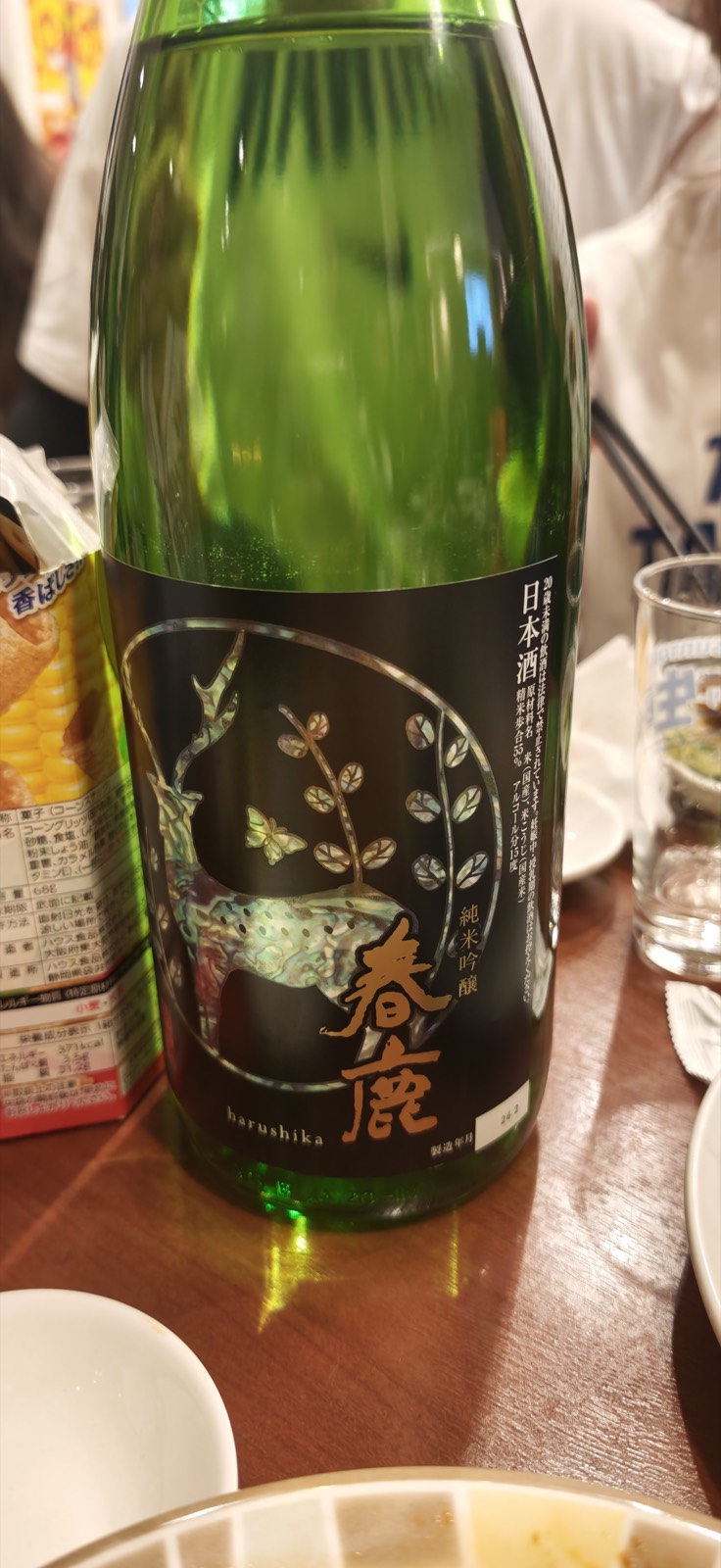
Harushika Junmai Ginjo

春鹿 / Imanishi Brewery, Nara
SakeJunmai GinjoNara
Harushika Junmai Ginjo
Tasting Date
2026-03-06
Region
Nara City, Nara
Brewery
Imanishi Seibei Shoten (est. 1884)
Type
Junmai Ginjo
Note
Walking distance from Kasuga Shrine
Reference Price (TWD)
NT$ 700–1,000

Brewery / Background

Harushika ("Spring Deer") is a leading Nara brewery, founded in 1884 by the Imanishi family. The brewery is within walking distance of Kasuga Taisha shrine and Todaiji Temple. The name refers to the sacred deer of Kasuga Shrine.

Nara is the birthplace of modern Japanese sake — Bodaisanji Temple invented the "moromi morohaku" multi-stage brewing method in the 15th century. Harushika carries on this lineage. The brushwork "鹿" calligraphy + deer silhouette label is a familiar Nara visual icon among sake enthusiasts.

Source:harushika.com
№ 13 / Sake

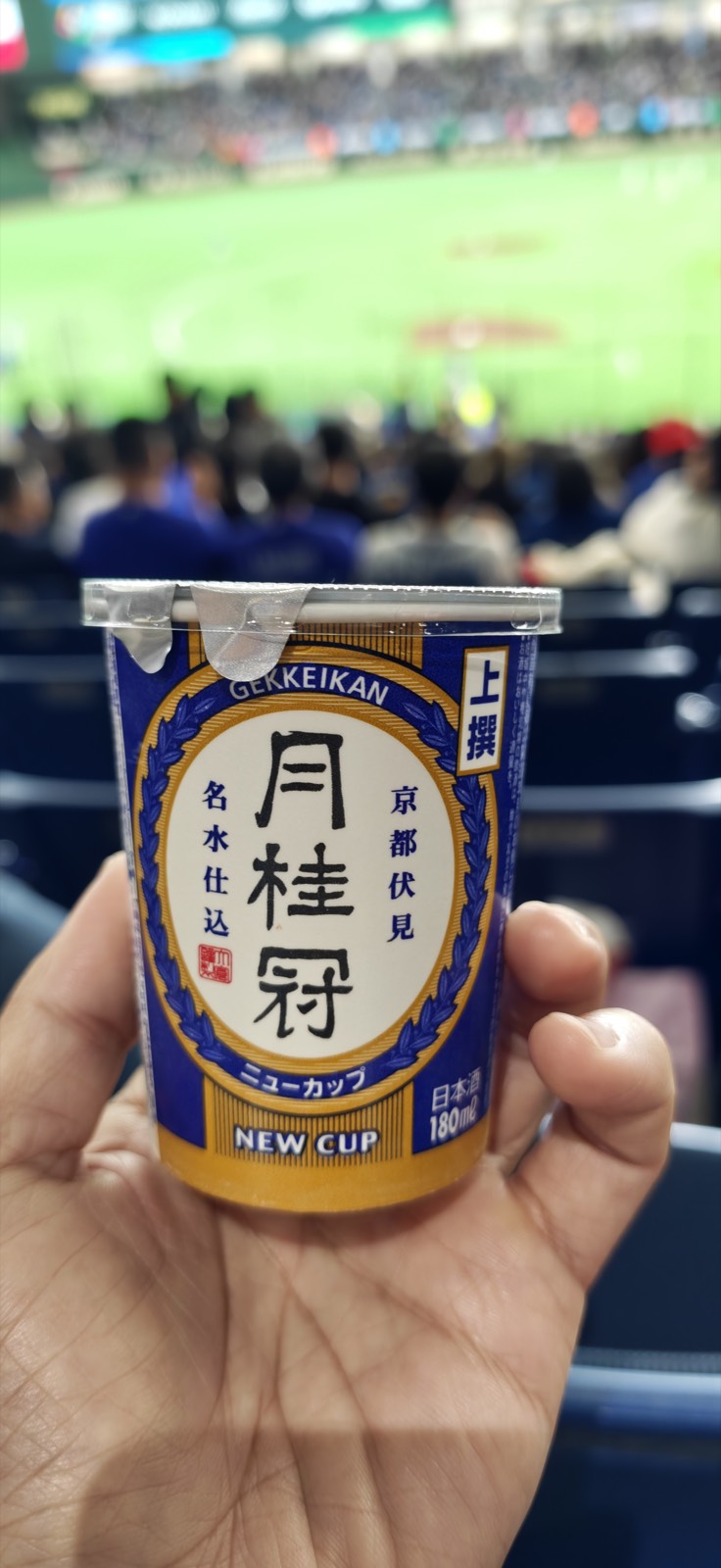
Gekkeikan New Cup @ Tokyo Dome

月桂冠 ニューカップ / Gekkeikan Sake, Fushimi Kyoto — Baseball stadium scene
SakeCup SakeKyotoStadium
Gekkeikan New Cup @ Tokyo Dome
Tasting Date
2026-03-07
Region
Fushimi, Kyoto
Brewery
Gekkeikan K.K. (est. 1637)
Type
Joushen (futsushu)
Volume
180ml
Scene
Tokyo Dome baseball stadium
Reference Price (TWD)
NT$ 70–100(日本售價約 ¥280)

Brewery / Background

Gekkeikan is Kyoto Fushimi's largest brewery — founded in 1637 by the Okura family in the "town of famous water" — and one of Japan's four national sake brands (alongside Hakutsuru, Ozeki, Kiku-Masamune). The "New Cup" was launched in 1964 alongside the Tokyo Olympics — a clear plastic cup sake now standard at izakayas and baseball stadiums.

This one drunk in the Tokyo Dome bleachers — a sake memory tied to the baseball experience itself. Hard to find in Taiwan, but at ¥280 it's the standard stadium beverage in Japan.

№ 14 / Sake

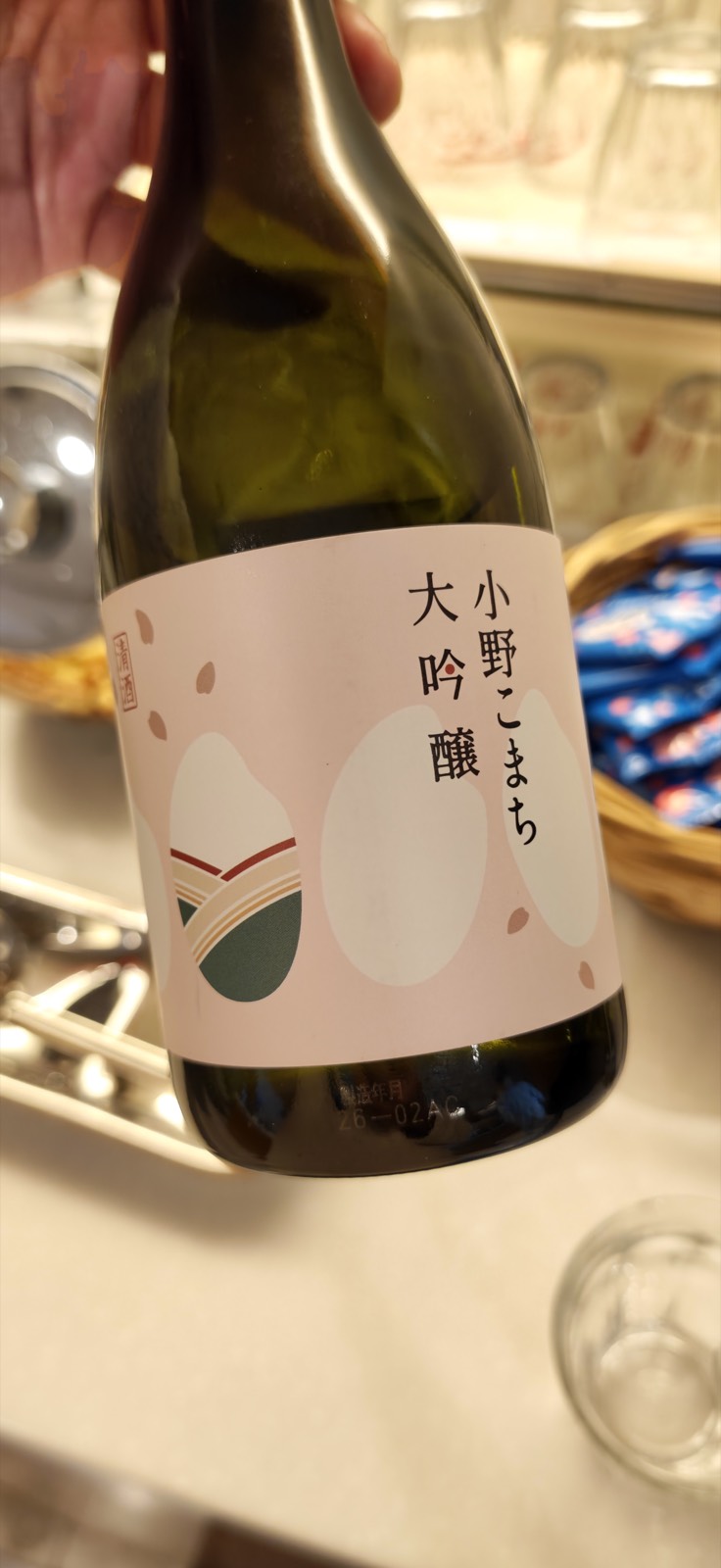
Ono Komachi Daiginjo

小野こまち / Akita Sake — Named for the Heian-era poet & legendary beauty
SakeDaiginjoAkita
Ono Komachi Daiginjo
Tasting Date
2026-03-08
Region
Akita Prefecture
Rice
Akita Komachi
Type
Daiginjo
Volume
720ml
Note
Named for one of the "Three Great Beauties of the World"
Reference Price (TWD)
NT$ 1,500–2,500

Brewery / Background

The name "Ono Komachi" references the famous Heian-era poet Ono no Komachi (c.825-900), counted among the "Three Great Beauties of the World" alongside Cleopatra and Yang Guifei. Legend places her birth in Yuzawa City, Akita — where the "Komachi-no-Sato" tourist site still commemorates her.

"Akita Komachi" is also Akita's signature table-rice variety. This Daiginjo treats it as the visual centerpiece, with a pale-pink label and rounded river-stone motif for a tender spring aesthetic.

Source:秋田銘醸株式会社 / Akita "Komachi" rice tradition
№ 15 / Spirit

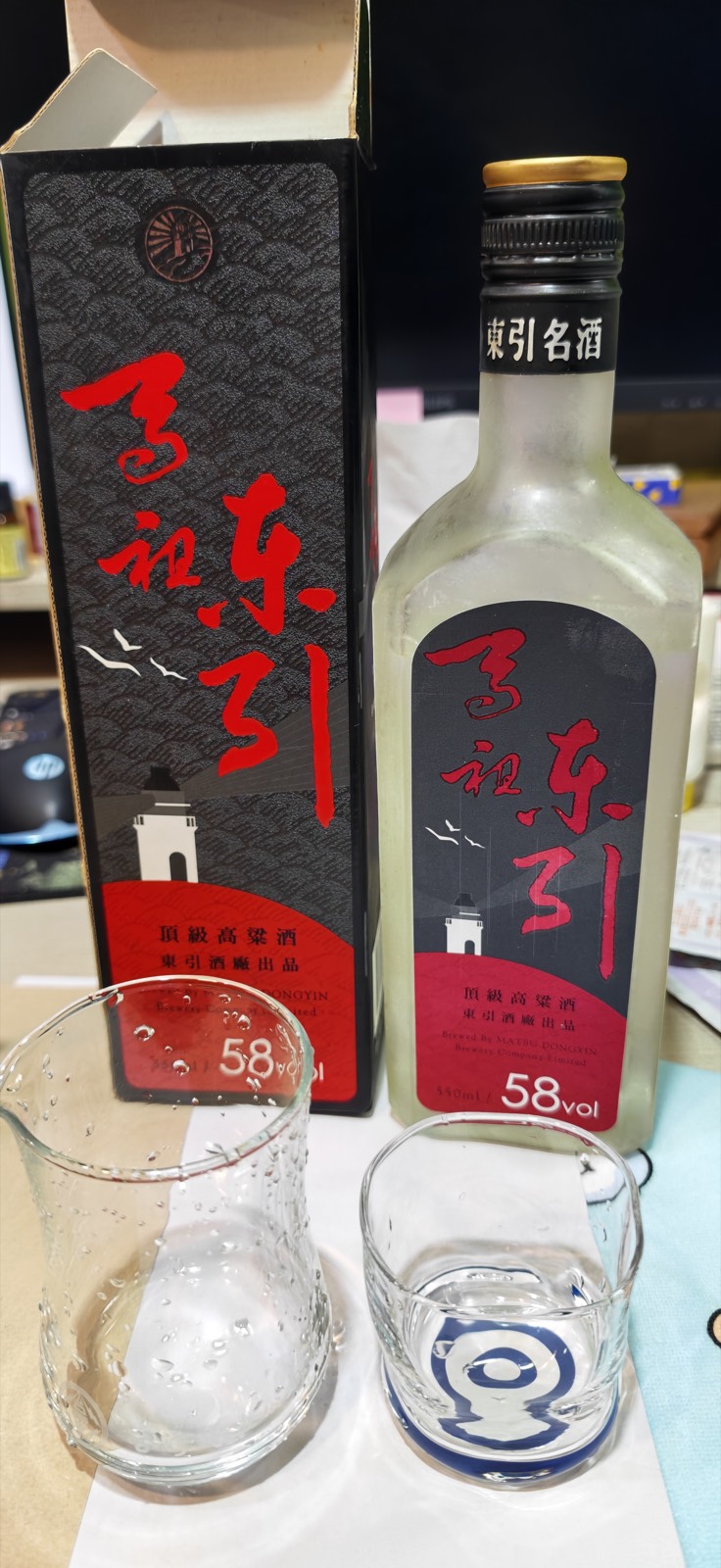
Matsu Tungyin Premium Kaoliang 58% (Cold-war Island)

馬祖東引 頂級高粱酒 / Tungyin Winery, Lianchiang County, Taiwan
SpiritKaoliangMatsu
Matsu Tungyin Premium Kaoliang 58% (Cold-war Island)
Tasting Date
2026-03-13
Region
Tungyin Township, Lianchiang County
Distillery
Matsu Winery (Tungyin)
Type
Premium Kaoliang Liquor
ABV
58%
Volume
660ml
Reference Price (TWD)
NT$ 800–1,500

Brewery / Background

Matsu Tungyin is Taiwan's northernmost island, only 42 km from Mawei (Fujian, China). During the military rule period (1956-1992), it was a strategic forward outpost. The Matsu Winery was established by the Ministry of National Defense, initially as a soldier welfare operation that later evolved into a core regional industry.

The Tungyin distillery uses granite spring water and local koji. Its kaoliang is elegant, aromatic, with a clean sweet finish — forming the third major Taiwan kaoliang school alongside Kinmen 823 (full-bodied) and 88-Tunnels (cellar-aged). The 58° is the flagship; bottle design references Tungyin's white lighthouse.

№ 16 / Sake

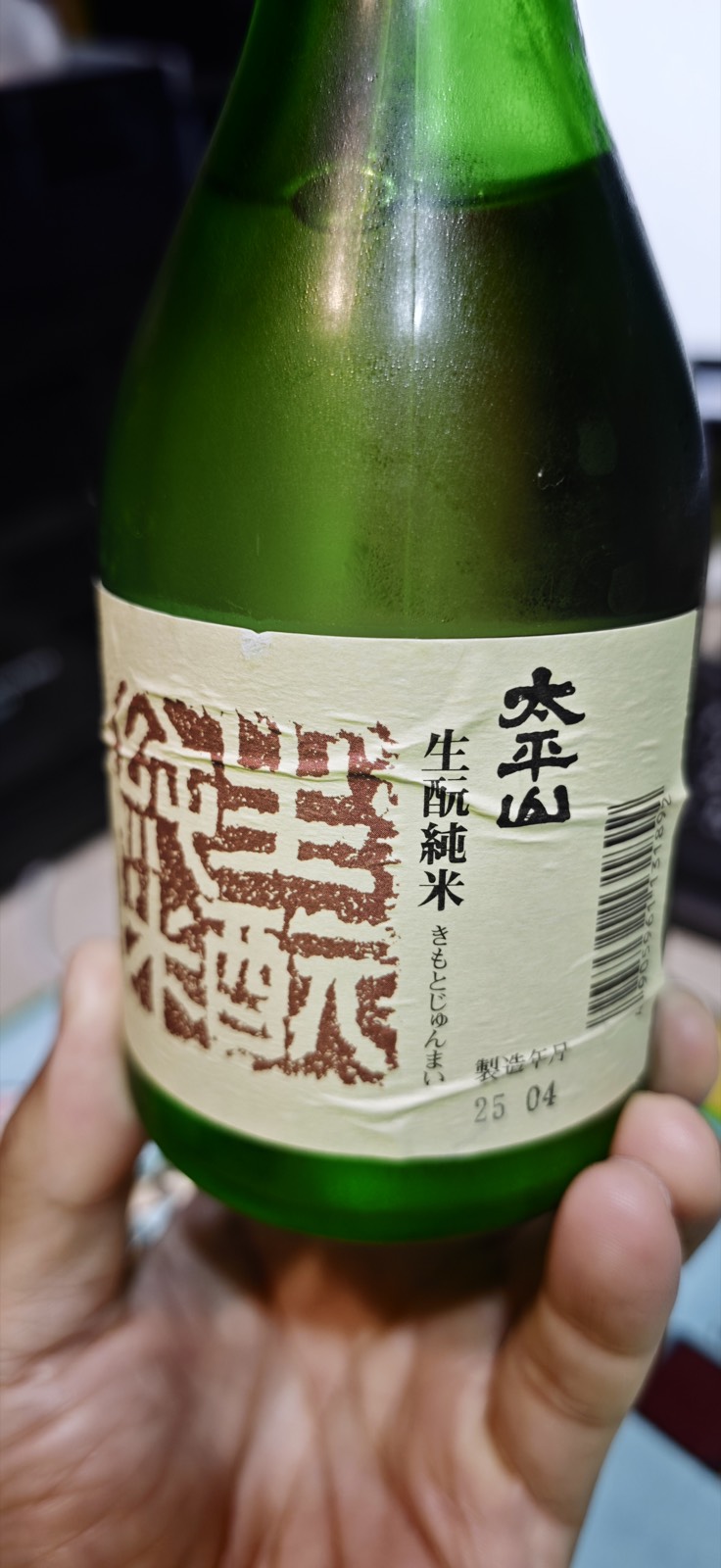
Taiheizan Kimoto Junmai

太平山 生酛純米 / Kodama Jozo, Katagami, Akita
SakeKimoto JunmaiAkita
Taiheizan Kimoto Junmai
Tasting Date
2026-03-20
Region
Katagami City, Akita
Brewery
Kodama Jozo K.K. (est. 1879)
Type
Kimoto Junmai-shu
Volume
300ml
Brewed
April 2025
Reference Price (TWD)
NT$ 350–500

Brewery / Background

Kodama Jozo is a multi-fermentation brewery in Katagami, Akita, founded in 1879. It simultaneously produces sake (Taiheizan), miso, and soy sauce — one of Japan's rare integrated "sake-miso-shoyu" heritage breweries.

"Kimoto" is the traditional Edo-era starter method — building the yeast mash without industrial lactic acid, relying instead on wild lactobacillus and ambient yeast. Labor-intensive, but produces dense acidity and a wild flavor profile. Akita, the "land of sake breweries," is at the heart of the kimoto revival.

№ 17 / Whisky

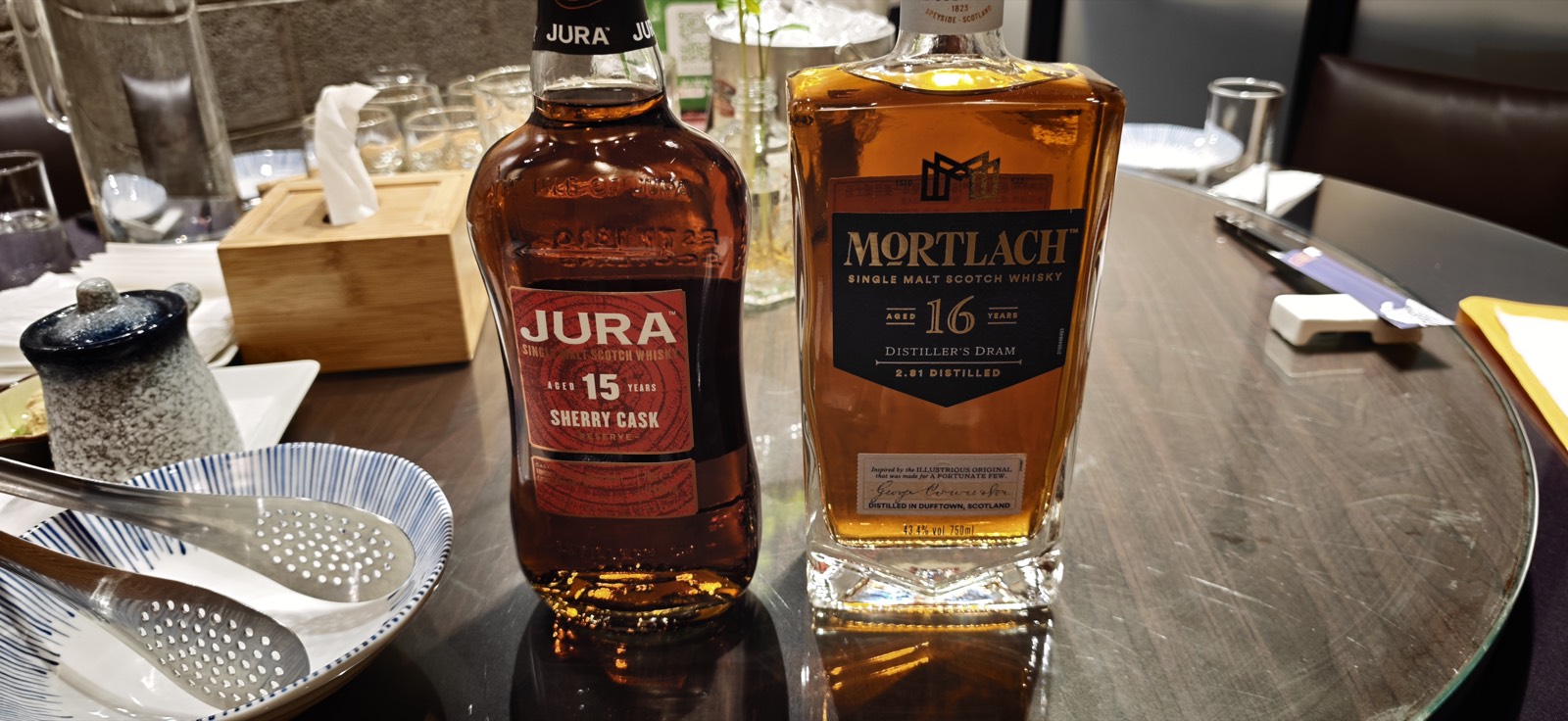
Scotch Duo — Jura 15 Sherry Cask + Mortlach 16 Distiller's Dram

Two single malts at a Chinese banquet table
WhiskySingle MaltDuo
Scotch Duo — Jura 15 Sherry Cask + Mortlach 16 Distiller's Dram
Tasting Date
2026-03-23
Distillery A
Jura (Isle of Jura, Inner Hebrides)
Distillery B
Mortlach (Dufftown, Speyside, 1823)
A Line
Jura 15 Sherry Cask
B Line
Mortlach 16 Distiller's Dram
Scene
Chinese round-table dinner
Reference Price (TWD)
NT$ 2,500–3,500 + NT$ 3,800–5,500

Brewery / Background

Jura 15 Sherry Cask comes from the Isle of Jura, Inner Hebrides (population ~200, deer outnumber humans 10:1). The Jura distillery (est. 1810) shows delicate honey, stone fruit, and sherry-influenced finish — a completely different spectrum from neighboring Islay's heavy peat.

Mortlach 16 Distiller's Dram is Diageo's Speyside Dufftown heritage distillery (est. 1823). Its signature is "2.81 times distillation" — neither double nor triple, but a uniquely partial re-distillation recipe — producing more body than typical Speyside: meaty, leather, raisin flavors. Long nicknamed "the beast of Speyside."

The two side by side on a Chinese round table — a classic "sherry-cask side-by-side" tasting moment for intermediate single malt collectors.

Source:Jura Distillery / Diageo Mortlach
№ 18 / Sake

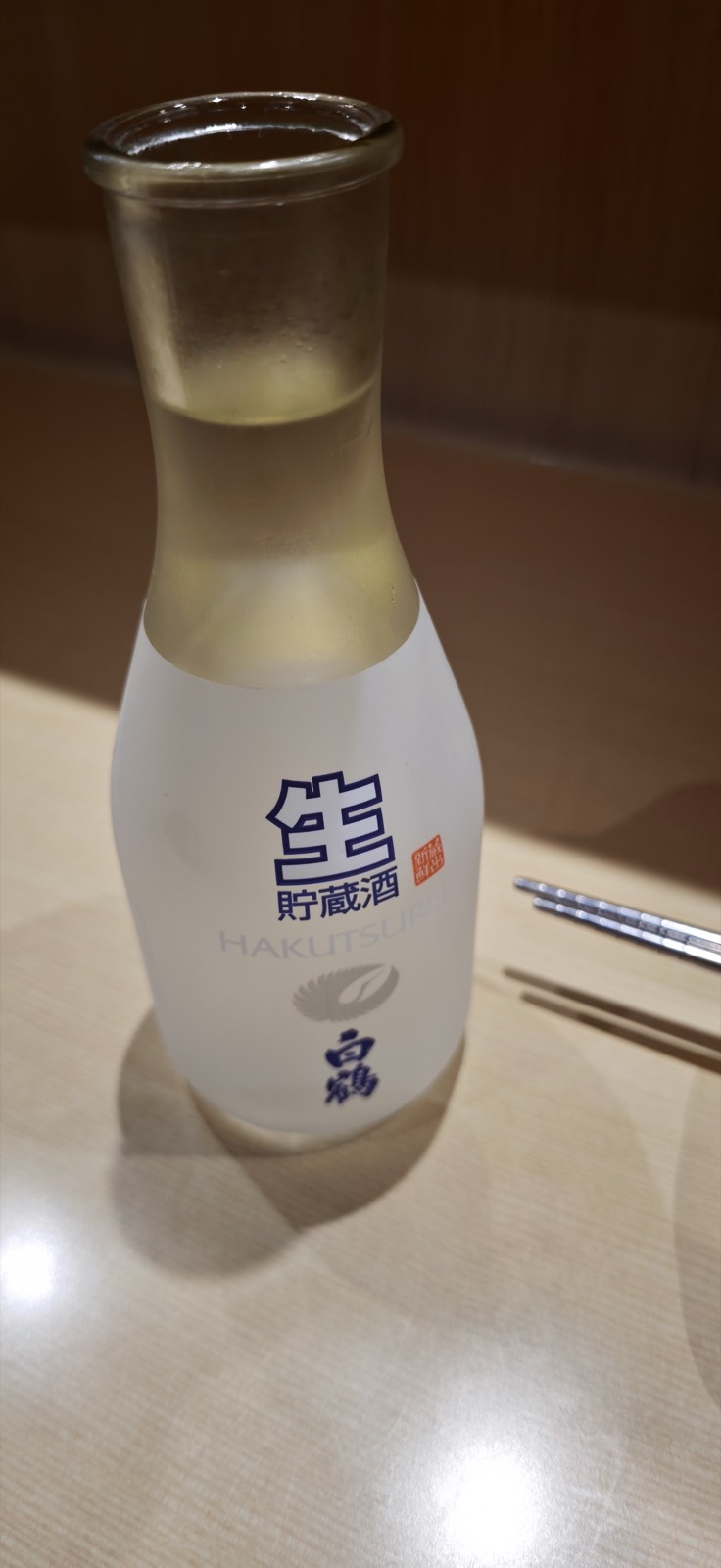
Hakutsuru Nama-chozo (Tokkuri Carafe)

白鶴 生貯蔵酒 / Hakutsuru Sake, Nada Kobe — Izakaya glassware moment
SakeNama-chozoHyogo
Hakutsuru Nama-chozo (Tokkuri Carafe)
Tasting Date
2026-03-25
Region
Higashinada, Kobe, Hyogo
Brewery
Hakutsuru K.K. (est. 1743)
Type
Nama-chozo (single pasteurization)
Volume
180ml tokkuri
Reference Price (TWD)
NT$ 50–100(日本居酒屋徳利價)

Brewery / Background

Hakutsuru is a flagship brewery of Nada Gogo (Kobe's five sake districts), founded in 1743 by the Kano family. It is one of Japan's largest sake producers (one of the "national four" with Ozeki, Kiku-Masamune, and Gekkeikan). Nada accounts for ~30% of Japan's total sake production.

"Nama-chozo-shu" is pasteurized only once at shipment (traditional sake is pasteurized twice). It retains more fresh enzymatic character. This 180ml frosted-glass tokkuri carafe is the classic izakaya serving format — beautiful when chilled and frosted over.

№ 19 / Sake

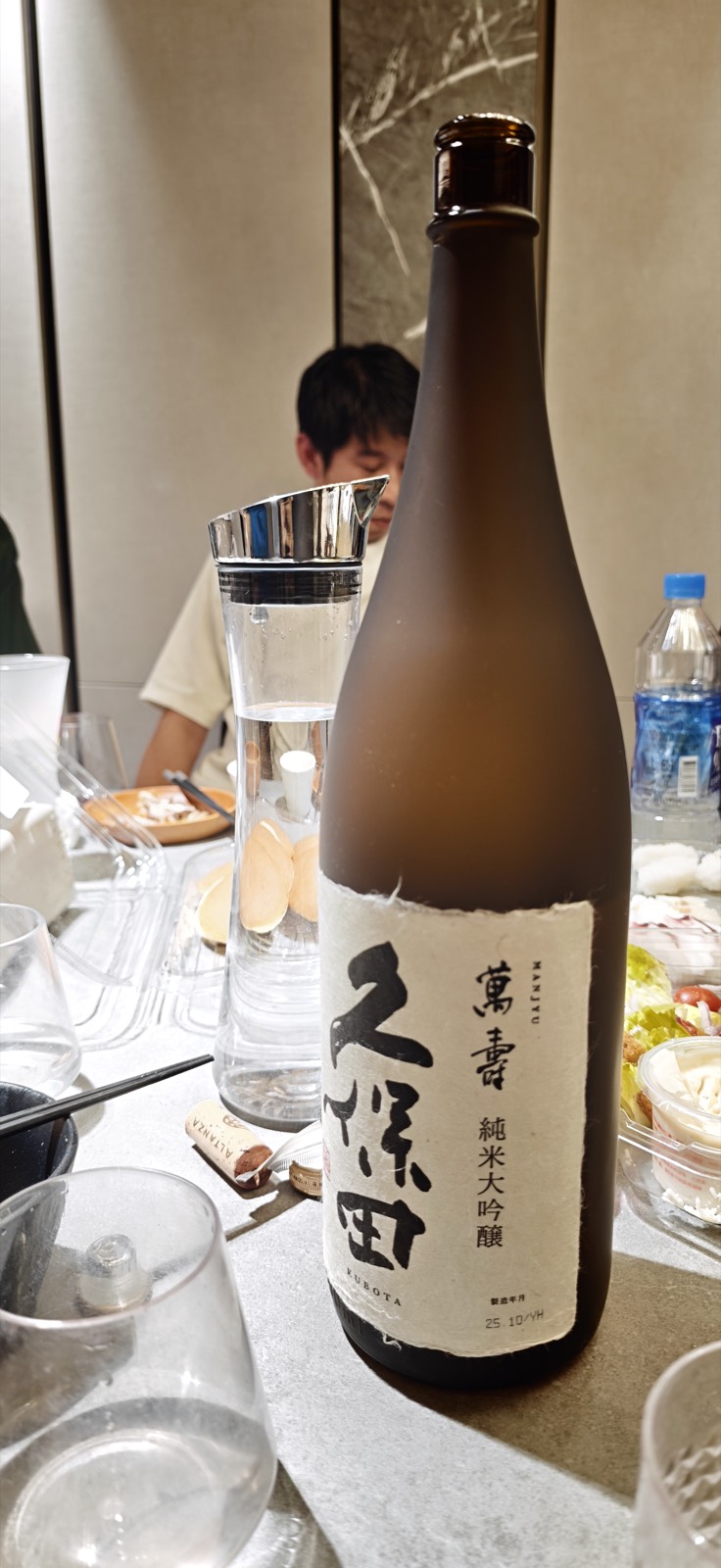
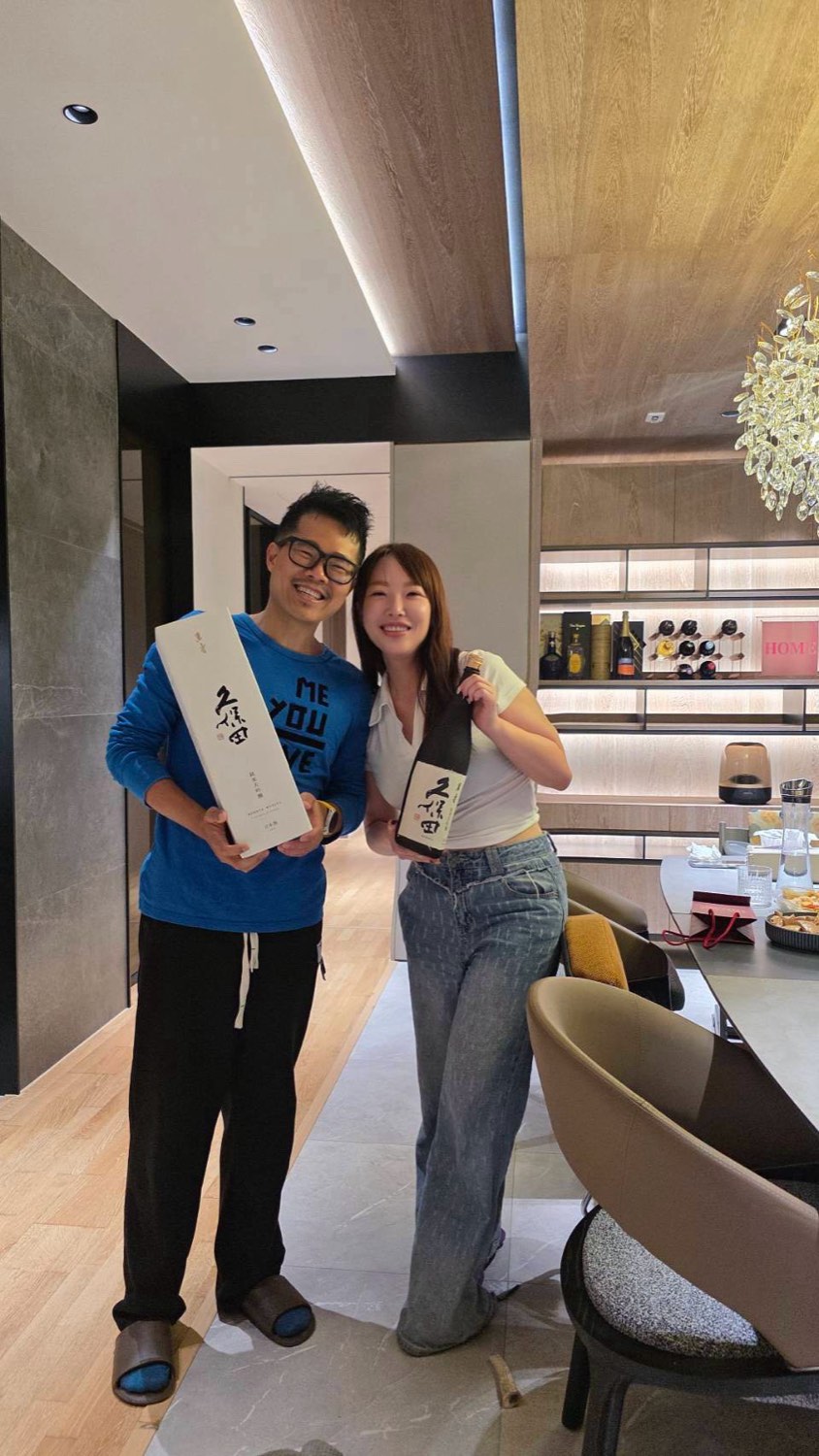
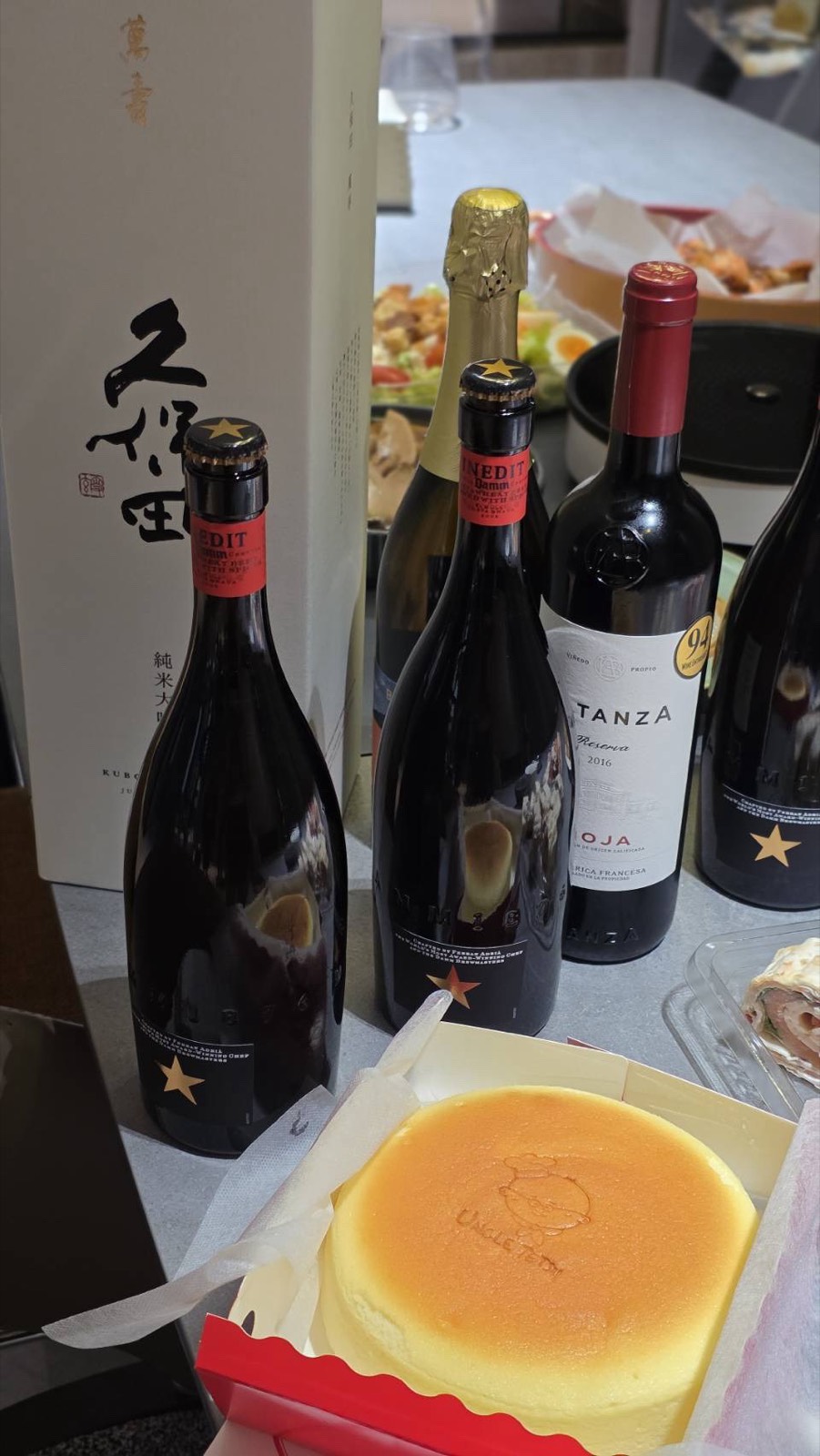
Celebration Dinner Trio — Kubota Manjyu + Inedit Damm + Estancia Rioja 2016

Japanese sake + Spanish duo at a family celebration
SakeSpanishTrio
Celebration Dinner Trio — Kubota Manjyu + Inedit Damm + Estancia Rioja 2016 1Celebration Dinner Trio — Kubota Manjyu + Inedit Damm + Estancia Rioja 2016 2Celebration Dinner Trio — Kubota Manjyu + Inedit Damm + Estancia Rioja 2016 3
Tasting Date
2026-03-27
A
Kubota Manjyu Junmai Daiginjo (720ml)
A Brewery
Asahi Shuzo (Nagaoka, Niigata, est. 1830)
B
Inedit Damm (750ml, Spain) — beer co-created by El Bulli chef Ferran Adrià
C
Estancia Reserva 2016 Rioja (92 Parker pts)
Scene
Anniversary/birthday dinner + Uncle Tetsu cheesecake
Reference Price (TWD)
NT$ 4,500–6,500 + NT$ 700–1,200 + NT$ 500–800

Brewery / Background

Three bottles, each with its own story, for a celebration dinner:

  • Kubota Manjyu: The flagship Junmai Daiginjo from Asahi Shuzo (Niigata), alongside Koshi-no Kanbai as Niigata's most recognized premium sake. "Manjyu" (萬寿) means "ten thousand longevities" — the auspicious gift-sake of the Asahi Shuzo lineup.
  • Inedit Damm: A 2008 collaboration between Barcelona's Damm brewery and legendary El Bulli chef Ferran Adrià — a Pilsner-wheat-spice blend in a champagne bottle with cork and elaborate packaging, designed to enter fine-dining beer lists.
  • Estancia Reserva 2016 Rioja: A Spanish Rioja Reserva-class red (minimum 36 months oak aging), Robert Parker 92 points.

Paired with Uncle Tetsu Japanese-style light cheesecake — a quintessential "East-meets-West family celebration" table.

Source:Asahi Shuzo (Niigata) / Damm Barcelona / Estancia Rioja
№ 20 / Sake

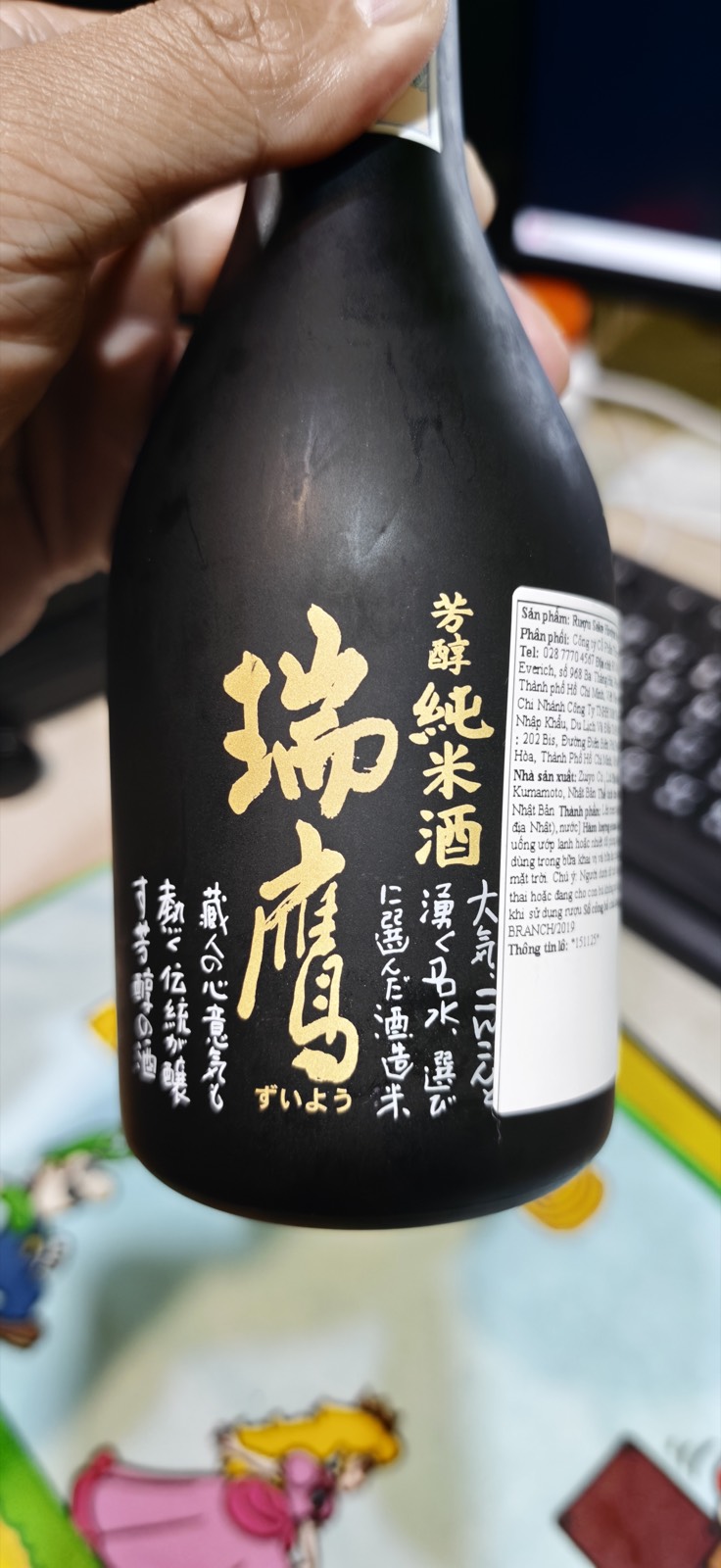
Zuiyo Junmai-shu — Sipped in Vietnam

瑞鷹 純米酒 / Zuiyo Brewery, Kumamoto — encountered in Saigon
SakeJunmaiKumamotoIn Vietnam
Zuiyo Junmai-shu — Sipped in Vietnam
Tasting Date
2026-04-05
Region
Kumamoto City, Kumamoto
Brewery
Zuiyo K.K. (est. 1867)
Type
Houjun Junmai-shu
Importer
BAYA CO., LTD (Vietnam)
Tasted in
Ho Chi Minh City, Vietnam
Reference Price (TWD)
NT$ 800–1,500

Brewery / Background

Zuiyo is a leading brewery in Kumamoto, founded in 1867 (one year before the Meiji Restoration) by the Yoshimura family. Located in the aquifer zone of Mt. Aso's underground water, it uses granite-filtered soft water from the Rokkō formation — making this one of Kyushu's most elegantly-styled sakes.

The black-and-gold bottle bears a Vietnamese importer mark (BAYA CO., LTD). It was exported from Kumamoto and opened in a Japanese sake bar in Ho Chi Minh City. The Kyushu sake distribution network in Southeast Asia is denser than one might imagine.

Source:zuiyo.co.jp
№ 21 / Sake

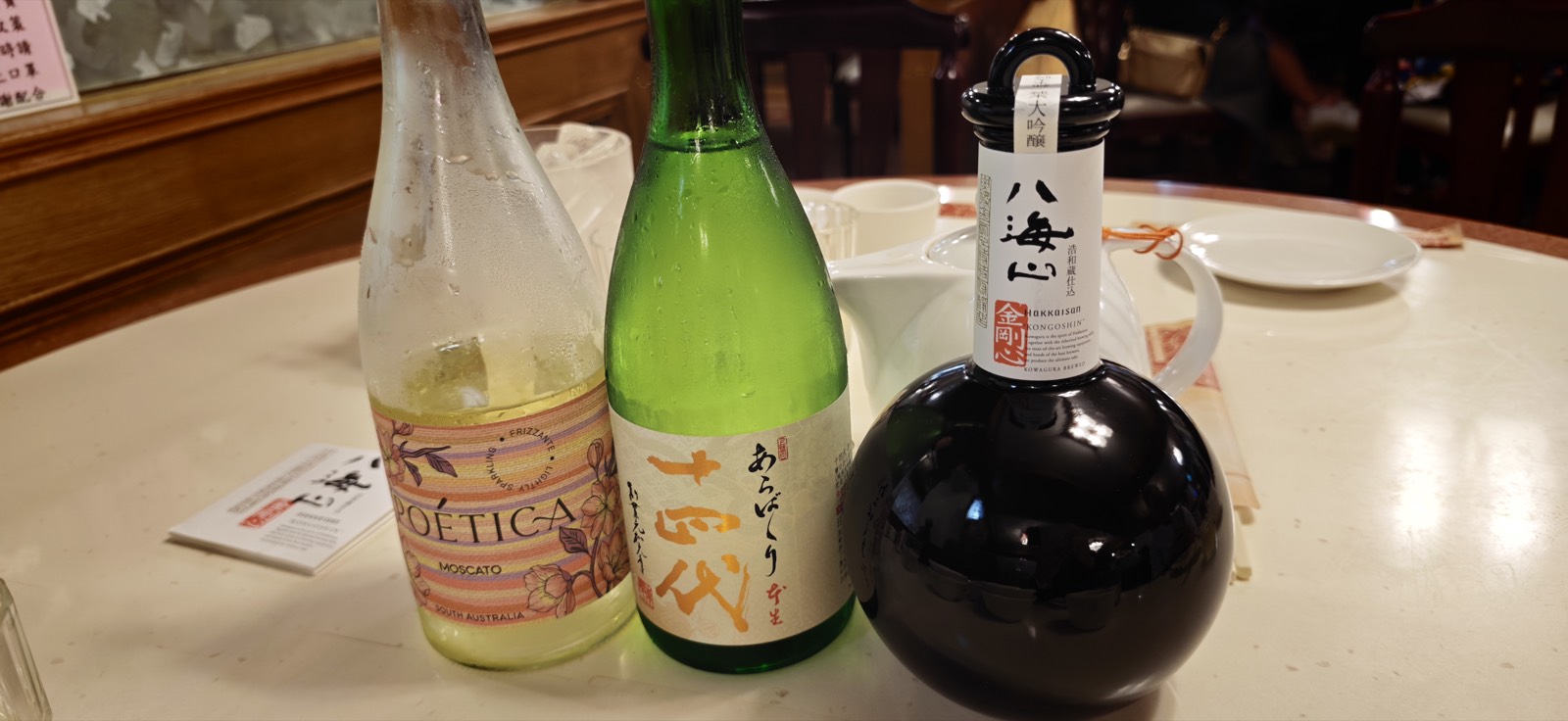
Fine-Dining Trio — Juyondai Arabashiri + Hakkaisan Kongoushin + POETICA Moscato

Two phantom sakes + one Australian sweet sparkler in one evening
SakePremiumTrio
Fine-Dining Trio — Juyondai Arabashiri + Hakkaisan Kongoushin + POETICA Moscato 1Fine-Dining Trio — Juyondai Arabashiri + Hakkaisan Kongoushin + POETICA Moscato 2Fine-Dining Trio — Juyondai Arabashiri + Hakkaisan Kongoushin + POETICA Moscato 3Fine-Dining Trio — Juyondai Arabashiri + Hakkaisan Kongoushin + POETICA Moscato 4
Tasting Date
2026-04-06
A
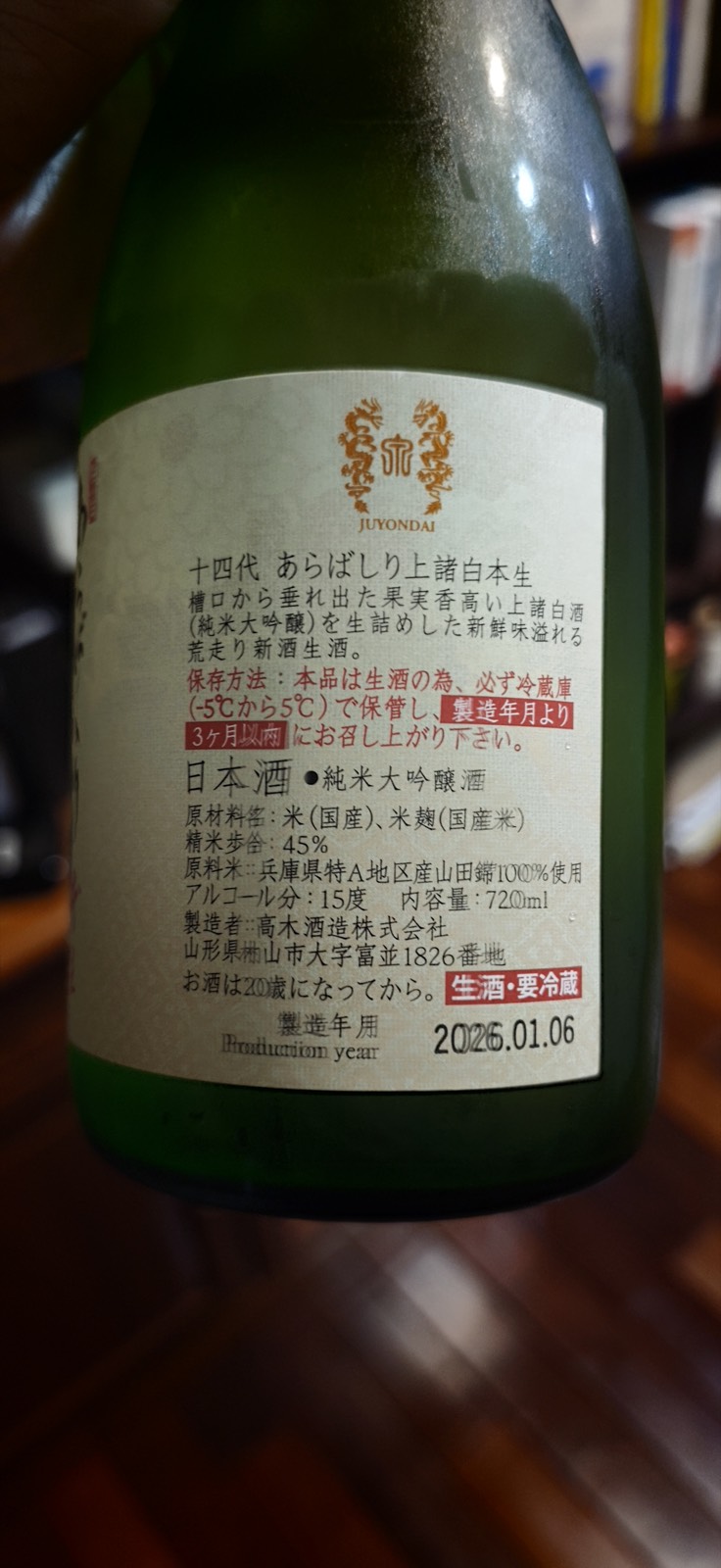
Juyondai Arabashiri Junmai Daiginjo Nama-zake
A Brewery
Takagi Shuzo (Yamagata, est. 1615)
A Rice
100% Hyogo Special-A Yamadanishiki
B
Hakkaisan Kongoushin Daiginjo (black orb bottle)
B Brewery
Hakkaisan Brewery (Uonuma, Niigata, est. 1922)
C
POETICA Moscato Frizzante (South Australia)
Scene
Fine-dining sake night + group selfie
Reference Price (TWD)
NT$ 20,000+ + NT$ 15,000–25,000 + NT$ 400–600

Brewery / Background

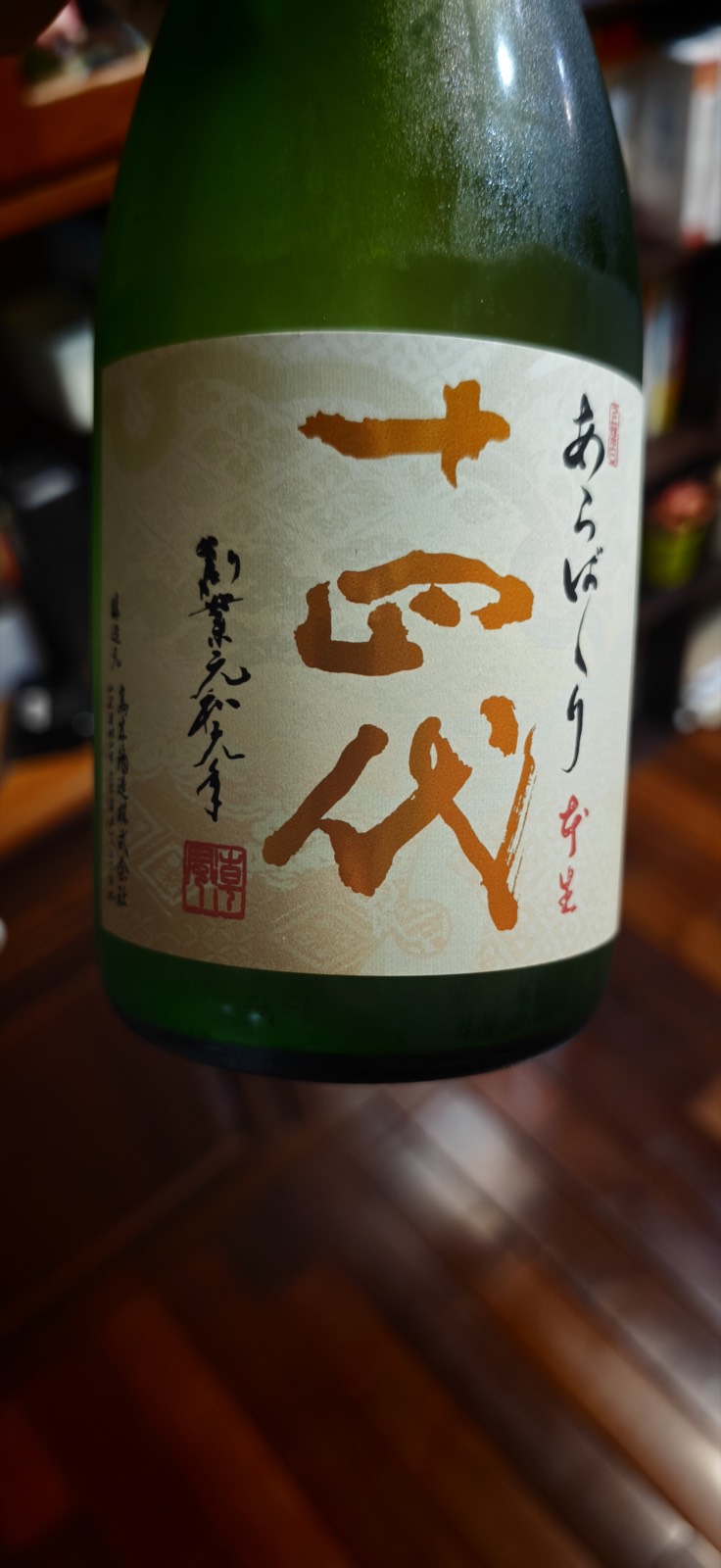
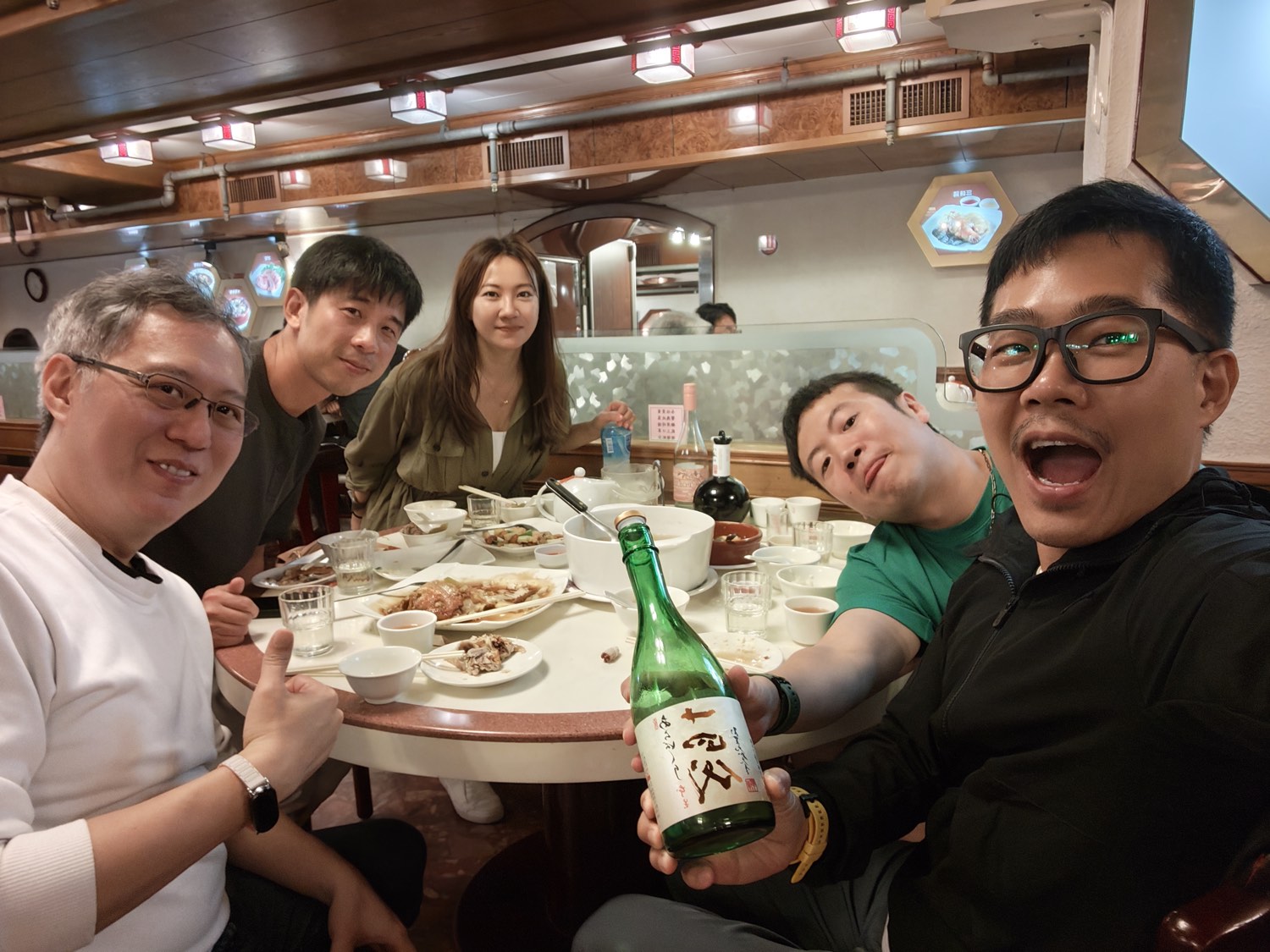
April 6 — three bottles on the same table in one evening. A rare moment in any tasting life. The day began with Juyondai Arabashiri Junmai Daiginjo Nama-zake at one venue (brewed 2026.01.06, first-press unpasteurized direct off the tank, cold-stored) — one of the most coveted releases in the Juyondai nama-zake lineup. Two more bottles opened at the evening's kaiseki venue:

  • Juyondai Arabashiri (brought from earlier): Polish ratio 45%, ABV 15%, rice-core expression at its peak. Fresh enzymatic activity yields pear + lychee + rice sweetness like a juice — the textbook "liquid sakura."
  • Hakkaisan Kongoushin (orb-shaped black bottle): Flagship Daiginjo from Hakkaisan Brewery in Uonuma, Niigata. 1.8L art-pottery limited edition at ¥30,000+ retail and extremely hard to find. Hakkaisan is known for "tanrei karakuchi" (crisp dry) — Kongoushin is its ultimate expression of that aesthetic.
  • POETICA Moscato Frizzante (South Australia): A light sweet sparkling counterpoint to reset the palate between the two phantom sakes.

The night ended with a group selfie holding the Juyondai bottle — the canonical "once-in-a-lifetime sake" moment.

Source:Takagi Shuzo (Yamagata) / Hakkaisan (Niigata) / Casella (SA)